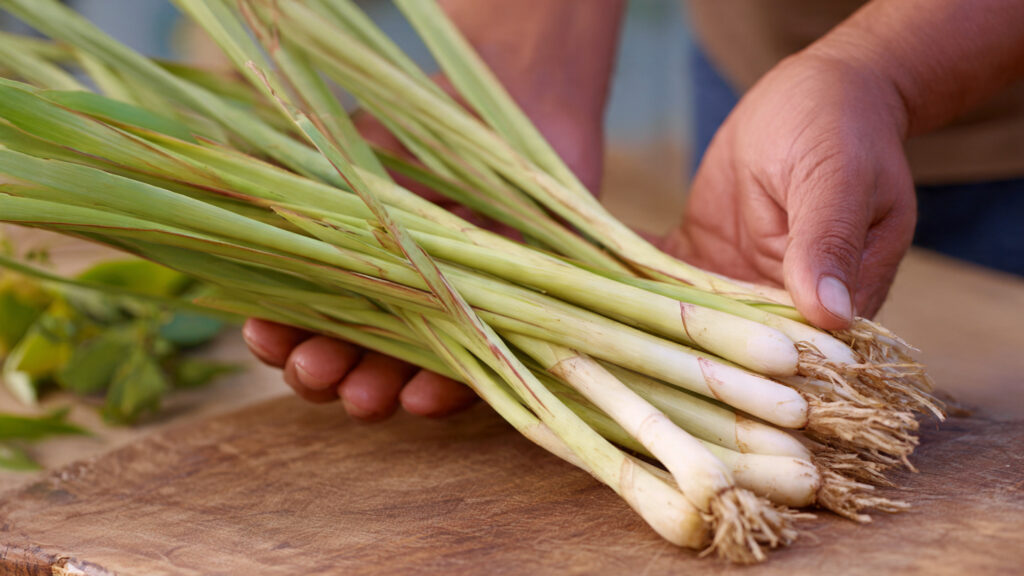
Lemongrass (Cymbopogon citratus) is a fragrant, tropical herb prized for its culinary, medicinal, and ornamental qualities. Its lemony aroma, tall graceful stalks, and lush green foliage make it a versatile addition to gardens, patios, and kitchens alike. While many gardeners purchase a single clump of lemongrass, few realize just how easy it is to multiply these plants and expand your supply without relying on seeds.
With a few simple techniques, you can take a single healthy clump and turn it into dozens of thriving plants. This guide will walk you through everything from identifying the right clumps to split, proper planting methods, and care tips to ensure your lemongrass flourishes year-round.
Understanding Lemongrass Growth
Before learning how to multiply lemongrass, it’s important to understand its growth habit. Lemongrass grows in dense clumps with multiple stalks emerging from a central root mass. Each clump expands over time, producing new shoots from underground rhizomes.
Key points to note about lemongrass growth:
- Clumping habit: New shoots grow from the base, forming natural divisions that can be separated.
- Rhizome network: The underground roots spread gradually, anchoring the plant and storing nutrients.
- Perennial potential: In tropical or warm climates, lemongrass can live for several years, making clump multiplication a long-term strategy.
Understanding this structure makes division a simple and effective propagation method.
Why Multiply Lemongrass Clumps?
Multiplying lemongrass offers several advantages:
- Cost-effective: Instead of buying new plants, you can create multiple plants from one healthy clump.
- Guaranteed traits: Division preserves the flavor, aroma, and vigor of the parent plant.
- Rapid growth: Compared to seed propagation, dividing mature clumps produces harvestable stalks much faster.
- Versatility: Spread plants across your garden, containers, or even gift them to friends.
Once you learn the technique, lemongrass multiplication becomes almost effortless.
The Best Time to Multiply Lemongrass
Timing is key to successful propagation. The ideal period is:
- Spring or early summer: The plant is actively growing and can recover quickly.
- After adequate rainfall or watering: Moist soil helps reduce transplant shock.
Avoid dividing clumps during extreme heat or drought, as stressed plants are more prone to failure.
Step 1: Selecting the Right Clump
Not all lemongrass clumps are suitable for division. Look for:
- Mature, healthy clumps with at least 6–8 stalks.
- Vigorous stalks without yellowing leaves or signs of disease.
- Well-established roots—young clumps may not have enough energy to survive separation.
Choosing the strongest clump ensures your new plants thrive quickly.
Step 2: Preparing the Tools and Site
You’ll need minimal tools to divide lemongrass successfully:
- Sharp garden knife or spade
- Clean container or tray for temporary holding
- Well-draining soil or compost mix
- Watering can or hose
Preparation also involves selecting a planting site:
- Full sun exposure (lemongrass loves sunlight).
- Well-draining soil to prevent root rot.
- Adequate space for new clumps to expand.
Step 3: Uprooting the Parent Clump
To separate a lemongrass clump:
- Water the plant thoroughly a day before digging to soften the soil.
- Carefully loosen soil around the base using a spade or hand fork.
- Lift the clump gently to avoid damaging the roots.
Take care not to break the stalks unnecessarily, as intact roots and stalks increase survival rates.
➡️ How to Grow Malabar Spinach from Cuttings for Fast, Easy Greens
➡️ How to Grow Super Delicious Cabbage at Home Without a Garden
➡️ How to Grow Bean Sprouts at Home in Plastic Bottles Easily (Step‑by‑Step Guide)
➡️ Why is Your Lemon Tree Blooming in the Heart of Winter?
➡️ Why Should Your Garden Have a Dedicated Pollinator Highway?
➡️ Why Do Your Fruit Trees Need a Winter Wash to Thrive in Spring?
➡️ How Can Rice Water Transform Your Fruits into Sweeter Delights?
➡️ Jumpstart Your Winter Garden: Seed Starting Under Lights
Step 4: Dividing the Clump
Once the clump is out of the soil:
- Shake off excess dirt to clearly see individual stalks and root structure.
- Identify natural divisions—small clusters of stalks with their own roots.
- Use a sharp knife or hand tool to separate these clusters carefully.
Each division should have:
- 2–3 healthy stalks
- A strong root system
- Minimal damage to other parts of the clump
Smaller divisions can still grow but may require more attentive care initially.
Step 5: Planting the New Clumps
After division, plant each clump immediately:
- Soil preparation: Dig a hole slightly larger than the root ball and enrich it with compost.
- Planting depth: Set the clump so the base of the stalks is level with the soil surface.
- Spacing: Maintain at least 12–18 inches between clumps to allow airflow and growth.
Water thoroughly after planting to help roots settle. Mulch around the base to retain moisture and suppress weeds.
Step 6: Caring for Newly Planted Clumps
Newly divided lemongrass requires careful attention during establishment:
- Watering: Keep soil consistently moist but not waterlogged for the first 2–3 weeks.
- Sunlight: Ensure adequate sunlight exposure—lemongrass thrives in full sun.
- Fertilization: Light feeding with balanced fertilizer encourages root development.
- Protection: Shield young clumps from strong winds or extreme heat until well-established.
With proper care, new plants will start producing harvestable stalks within 6–8 weeks.
Step 7: Long-Term Maintenance
After establishment, lemongrass is low-maintenance:
- Watering: Once established, it tolerates short dry spells but performs best with regular watering.
- Fertilizer: Apply compost or organic fertilizer 2–3 times per year for vigorous growth.
- Pruning: Trim dead or yellowing leaves to maintain plant health and appearance.
- Harvesting: Regularly cut stalks for culinary use, which also encourages fresh growth.
Healthy, mature clumps continue to expand naturally, providing even more propagation opportunities.
Tips for Effortless Multiplication
- Use healthy parent plants: Strong plants produce stronger divisions.
- Avoid extreme weather: Divide clumps during moderate temperatures to reduce stress.
- Keep roots moist: Dry roots reduce survival rates significantly.
- Divide larger clumps: Older, dense clumps often yield more divisions.
- Plant promptly: The sooner you plant divisions, the better they recover.
Following these simple tips makes multiplying lemongrass almost effortless, even for beginner gardeners.
Multiplying Lemongrass in Containers
Lemongrass also thrives in pots, which allows easy management and mobility:
- Use large containers with drainage holes.
- Plant one or two divisions per pot to prevent overcrowding.
- Water regularly and fertilize lightly during the growing season.
- Move containers to sunny locations for optimal growth.
Container-grown lemongrass is ideal for small spaces, patios, or urban gardens.
Common Mistakes to Avoid
Even though multiplying lemongrass is straightforward, gardeners can encounter pitfalls:
- Dividing too small: Tiny divisions may struggle to establish.
- Planting in poor soil: Heavy clay or compacted soil reduces survival rates.
- Neglecting water: Newly divided clumps need consistent moisture.
- Crowding plants: Close spacing can lead to disease or stunted growth.
- Dividing in extreme heat: Hot temperatures increase transplant shock risk.
Avoiding these mistakes ensures a high success rate with minimal effort.
The Benefits of Multiplying Your Lemongrass
Multiplying lemongrass brings multiple advantages:
- Abundant supply: Create a continuous harvest for cooking, teas, and home remedies.
- Decorative appeal: Dense clumps create lush borders or ornamental focal points.
- Low-cost expansion: Multiply plants without purchasing new seeds or seedlings.
- Gift opportunities: Share healthy clumps with friends and neighbors.
- Garden resilience: Multiple clumps improve soil retention and microclimate for other plants.
By multiplying lemongrass, you create both a functional and beautiful herb garden.
Final Thoughts
Multiplying lemongrass is one of the simplest and most rewarding gardening techniques. With minimal tools, a healthy parent clump, and a few careful steps, you can transform a single plant into an abundant supply of aromatic stalks for your kitchen and garden.
By understanding the plant’s growth habits, providing proper care during division, and maintaining newly planted clumps, you can effortlessly expand your lemongrass garden year after year. Not only does this technique save money, but it also strengthens your connection to your garden, turning a single clump into a flourishing herb oasis.
Whether you plant in garden beds, containers, or borders, multiplying lemongrass opens the door to endless culinary, medicinal, and ornamental possibilities—making it a truly versatile addition to any backyard.