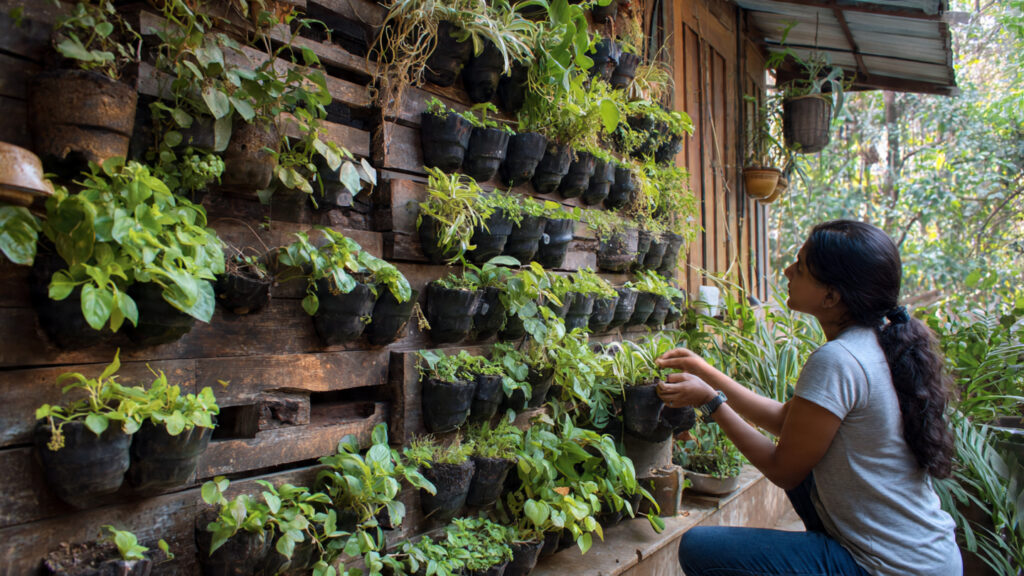
Maximizing garden space is one of the most common challenges for urban dwellers and small-space gardeners. Whether you live in an apartment, a townhouse with a tiny backyard, or simply want to grow more plants in less space, vertical gardening is a game-changer. One of the most effective and inexpensive ways to create a vertical garden is by using plastic pipes. Not only are plastic pipes widely available, durable, and lightweight, but they can also be customized to suit your space and aesthetic. This guide explores how to build amazing DIY vertical gardens from plastic pipes and transform even the smallest garden into a lush, green oasis.
Why Choose Vertical Gardens?
Vertical gardens are an ingenious solution for small gardens. They allow you to grow more plants without taking up precious floor space, creating a lush, layered look. Beyond aesthetics, vertical gardens:
- Improve air quality by increasing green coverage.
- Help insulate walls and reduce heat in urban environments.
- Allow for easier maintenance, reducing bending and stooping.
- Enable creative garden designs, turning walls, fences, or corners into living art.
Plastic pipes are particularly suitable for vertical gardens because they are inexpensive, durable, and can be arranged in countless configurations. PVC and other plastic pipes can hold soil and plants securely while allowing water to flow evenly.
Materials Needed for a DIY Vertical Garden
Creating a vertical garden from plastic pipes requires minimal materials:
- Plastic Pipes: PVC, UPVC, or drainage pipes work best. Diameter depends on your plant selection; 4–6 inches is ideal for small to medium plants.
- End Caps: To seal the bottoms of the pipes and hold soil.
- Drill: For creating holes to plant in.
- Saw: To cut pipes to desired lengths.
- Brackets or Hooks: For securing pipes to walls or fences.
- Potting Soil: Use lightweight soil to reduce weight.
- Plants or Seeds: Herbs, succulents, leafy greens, and flowers work best.
- Watering System: Optional drip irrigation or simple watering can.
Step-by-Step Guide to Building a Vertical Pipe Garden
Step 1: Plan Your Design
Before starting, plan the layout. Decide if you want a single column, multiple rows, or a cascading design. Consider sunlight exposure and wall strength if you plan to attach pipes vertically.
Step 2: Cut the Pipes
Measure and cut the pipes to the desired lengths. For a modular garden, multiple shorter pipes may be easier to manage. Ensure each pipe is long enough to accommodate several plants but not so long that it becomes heavy and unstable.
Step 3: Drill Planting Holes
Using a drill, create holes in the pipes where plants will grow. Space them evenly, about 6–12 inches apart depending on the plant type. Ensure holes are large enough for plant roots but not so big that soil will fall out.
Step 4: Seal Pipe Ends
Attach end caps to the bottom of each pipe to prevent soil from escaping. This also helps maintain soil moisture.
Step 5: Mount or Stack the Pipes
Secure your pipes using brackets or hooks against a wall or fence. Alternatively, pipes can be stacked in a pyramid or tiered arrangement for a free-standing vertical garden. Stability is key; make sure the structure can handle the weight of soil and water.
Step 6: Add Soil
Fill each pipe with lightweight potting soil, leaving a small gap at the top for watering. Avoid heavy soil mixes, as they can make the structure unstable.
Step 7: Plant Selection and Planting
Choose plants that suit your garden’s light conditions. Herbs like basil, mint, and parsley, or small vegetables like lettuce and spinach, thrive in vertical gardens. Succulents and flowering plants like petunias or marigolds are also excellent choices. Gently insert plants into the holes, ensuring roots are well-covered with soil.
Step 8: Water and Maintain
Watering is crucial. A drip irrigation system works perfectly for vertical gardens, ensuring even moisture distribution. If you don’t have irrigation, water carefully from the top, allowing water to seep down to lower plants. Regularly check for pests, prune dead leaves, and fertilize as needed.
Creative Designs for Plastic Pipe Vertical Gardens
Plastic pipes offer flexibility for creating innovative designs. Here are some ideas:
- Wall-Mounted Pipe Garden – Attach multiple vertical pipes directly to a wall for a living wall effect. Perfect for herbs and flowers.
- Hanging Pipe Garden – Suspend short pipes horizontally using ropes or chains. Ideal for small patios or balconies.
- Tiered Pyramid Garden – Stack pipes in a pyramid shape, providing visual interest and making efficient use of vertical and horizontal space.
- Corner Column Garden – Place pipes in corners to fill awkward spaces, perfect for decorative vines or trailing plants.
- Freestanding Pipe Garden – Create a movable vertical garden with pipes connected by frames. This design works well for seasonal changes and easy relocation.
Tips for Success
- Use lightweight soil: Reduces overall weight and prevents pipes from tipping.
- Select small or trailing plants: Large root systems may outgrow the pipes too quickly.
- Ensure proper drainage: Drill extra holes at the bottom if necessary.
- Rotate plants occasionally: Ensures even sunlight exposure for all plants.
- Combine colors and textures: Mix foliage, flowers, and herbs for visual impact.
Benefits of DIY Plastic Pipe Vertical Gardens
- Cost-Effective – PVC and plastic pipes are inexpensive compared to pre-made vertical garden systems.
- Space-Saving – Ideal for balconies, patios, or tiny backyards.
- Customizable – You can create any shape, size, or arrangement.
- Sustainable – Repurposing old pipes reduces waste and promotes eco-friendly gardening.
- Educational – Great project for children to learn about gardening and sustainability.
Ideal Plants for Plastic Pipe Gardens
Herbs:
- Basil
- Mint
- Parsley
- Thyme
Vegetables:
- Lettuce
- Spinach
- Small chili plants
- Cherry tomatoes
Flowers:
- Petunias
- Marigolds
- Begonias
- Nasturtiums
Succulents:
- Echeveria
- Sedum
- Haworthia
Maintaining Your Vertical Garden
Vertical gardens require consistent attention:
- Watering: Check moisture levels frequently, especially in hot weather.
- Fertilizing: Use liquid fertilizer every 2–3 weeks for healthy growth.
- Pruning: Remove dead leaves and flowers to encourage new growth.
- Pest Control: Watch for aphids, mites, and fungal infections; use organic sprays if needed.
Conclusion
DIY vertical gardens using plastic pipes are a brilliant solution for small-space gardening. They combine creativity, functionality, and sustainability, transforming even the tiniest areas into productive, lush gardens. With simple materials, a bit of planning, and regular care, you can grow herbs, vegetables, succulents, and flowers vertically, making the most of every inch.
➡️ How to Grow Malabar Spinach from Cuttings for Fast, Easy Greens
➡️ How to Grow Super Delicious Cabbage at Home Without a Garden
➡️ How to Grow Bean Sprouts at Home in Plastic Bottles Easily (Step‑by‑Step Guide)
➡️ Why is Your Lemon Tree Blooming in the Heart of Winter?
➡️ Why Should Your Garden Have a Dedicated Pollinator Highway?
➡️ Why Do Your Fruit Trees Need a Winter Wash to Thrive in Spring?
➡️ How Can Rice Water Transform Your Fruits into Sweeter Delights?
➡️ Jumpstart Your Winter Garden: Seed Starting Under Lights
From wall-mounted installations to freestanding columns, the possibilities are endless. Whether you are a beginner gardener or an experienced plant enthusiast, plastic pipe vertical gardens offer an inexpensive, attractive, and practical way to enjoy the benefits of gardening without the need for large plots of land.
Start small, experiment with layouts, and watch your garden grow upward—literally! In the end, these vertical gardens not only save space but also add beauty, freshness, and life to any small garden or balcony, making them a must-try project for every urban gardener.