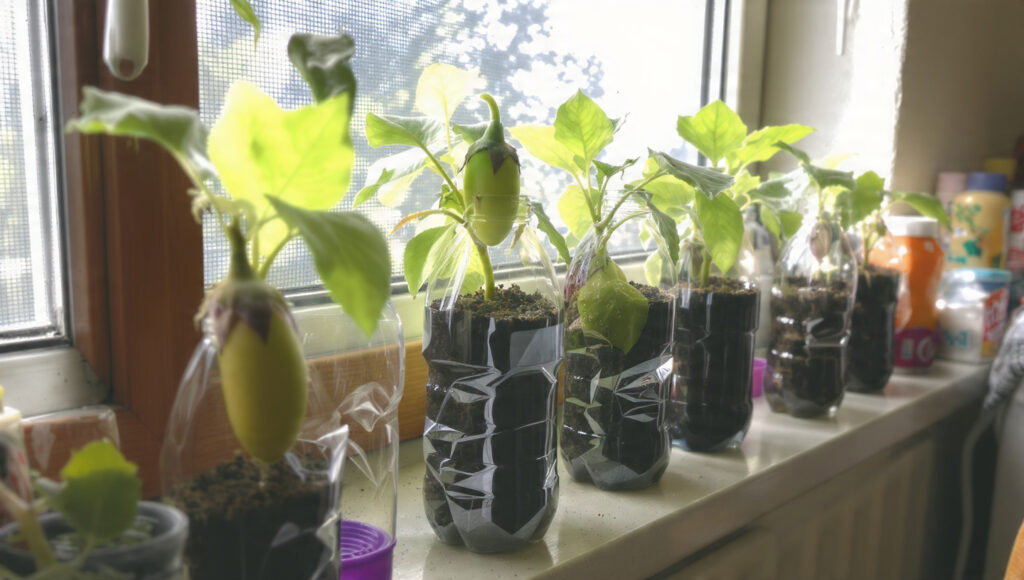
Gardening at home doesn’t have to require expensive equipment, large plots of land, or fancy containers. In fact, one of the easiest and most sustainable ways to start growing your own vegetables is by repurposing items you already have—like old plastic bottles. I discovered this simple method while trying to grow eggplants in my small apartment balcony, and the results were surprisingly productive. Not only did I save money, but I also contributed to reducing plastic waste, all while enjoying fresh, homegrown eggplants.
If you’ve ever wondered how to grow vegetables in limited space using recycled materials, this step-by-step guide on growing eggplants in plastic bottles will show you exactly how I did it.
Why Use Plastic Bottles for Gardening?
Old plastic bottles are more than just waste—they are a practical solution for container gardening. Here’s why they work perfectly for growing eggplants:
- Eco-Friendly
Repurposing bottles reduces plastic waste and gives them a second life in your home garden. - Space-Saving
Vertical or hanging arrangements allow you to grow vegetables in small spaces like balconies, patios, or windowsills. - Cost-Effective
There’s no need to buy expensive pots or planters. - Control Over Soil and Watering
You can easily customize the soil mix and ensure proper drainage.
Eggplants, also known as aubergines or brinjals, grow well in containers because they thrive in warm conditions and benefit from consistent watering—both of which are easy to manage in plastic bottles.
Choosing the Right Eggplant Variety
Before planting, it’s important to select an eggplant variety suited to container growth. Some varieties that do well in small spaces include:
- Baby or Dwarf Eggplants: Compact plants producing small, tender fruits.
- Long or Italian Eggplants: Can grow in bottles if supported with stakes.
- Round or Globe Eggplants: Standard varieties work well, but may need larger containers.
For my home garden, I chose a dwarf variety that produces fruit within 60–70 days, making it ideal for limited space and quick harvests.
Preparing the Plastic Bottles
Almost any plastic bottle can be used, but I prefer 2-liter soda bottles or similar-sized containers. Here’s how to prepare them:
- Wash the Bottle Thoroughly
Remove labels and rinse the bottle to eliminate residue. - Cut the Bottle
Depending on your preference, you can either:- Cut the top 1/3 to create a wide opening for soil.
- Cut the bottle in half and invert the top section as a funnel.
- Create Drainage Holes
Use a nail or drill to make several holes in the bottom. Proper drainage is essential to prevent root rot. - Optional: Hanging Setup
If you want vertical growth, punch holes on the sides near the bottle’s neck and thread rope or wire for hanging.
This simple setup ensures your eggplants have enough room for roots while keeping excess water from pooling at the bottom.
Choosing the Right Soil Mix
Eggplants are heavy feeders, so using nutrient-rich soil is important. I used a simple mix:
- 2 parts garden soil
- 1 part compost or well-rotted manure
- 1 part coco peat or perlite for aeration
This mixture provides essential nutrients, retains moisture, and ensures good drainage—perfect for container-grown eggplants.
Planting Eggplants in Bottles
You can start with seeds or seedlings. I personally prefer seedlings because they grow faster and give quicker harvests. Here’s the process:
- Fill the Bottle with Soil Mix
Leave 1–2 inches from the top to allow space for watering. - Plant the Seedling
Make a hole in the soil and gently place the seedling. Cover roots with soil and press lightly. - Water Immediately
Give the plant enough water to settle the soil around the roots. - Position the Bottles
Place the bottles in a sunny spot that receives at least 6 hours of direct sunlight daily. Eggplants thrive in warm, bright conditions.
For my balcony, I arranged bottles along the railing and also experimented with hanging them to maximize space.
Caring for Eggplants in Bottles
Container-grown eggplants require consistent care to produce healthy fruits. Here are the key steps I followed:
Watering
- Keep soil consistently moist but not waterlogged.
- In hot weather, water every day or every other day, depending on sunlight exposure.
- Avoid letting the soil dry out completely, as this can stress the plant and reduce fruiting.
Fertilizing
- Apply a balanced liquid fertilizer every 2–3 weeks.
- I also used organic options like compost tea or diluted fish emulsion for sustainable growth.
- Focus on potassium and phosphorus once the plant starts flowering to encourage fruiting.
Support
Even dwarf varieties may need light support as the fruits grow. I used small bamboo sticks inserted into the bottle to stabilize the plant.
Pruning
- Pinch off the growing tips to encourage branching.
- Remove yellow or dead leaves to improve airflow.
- Early pruning helps the plant produce more flowers and fruits.
Pollination and Flowering
Eggplants produce small purple flowers. In a home setting, especially in a balcony garden, natural pollination by insects may be limited. I manually assisted pollination:
➡️ How to Grow Malabar Spinach from Cuttings for Fast, Easy Greens
➡️ How to Grow Super Delicious Cabbage at Home Without a Garden
➡️ How to Grow Bean Sprouts at Home in Plastic Bottles Easily (Step‑by‑Step Guide)
➡️ Why is Your Lemon Tree Blooming in the Heart of Winter?
➡️ Why Should Your Garden Have a Dedicated Pollinator Highway?
➡️ Why Do Your Fruit Trees Need a Winter Wash to Thrive in Spring?
➡️ How Can Rice Water Transform Your Fruits into Sweeter Delights?
➡️ Jumpstart Your Winter Garden: Seed Starting Under Lights
- Gently shake the flowers to help pollen fall onto the stigma.
- Use a small paintbrush to transfer pollen between flowers.
This small effort increased fruit set significantly.
Harvesting Eggplants
Eggplants can be harvested when the fruits are firm and glossy. Harvesting tips:
- Use a sharp knife or scissors to cut the fruit, leaving a small stem attached.
- Do not wait too long; overripe eggplants may become bitter and have tough seeds.
- Regular harvesting encourages the plant to produce more fruits.
From my bottles, I harvested 3–5 small to medium fruits per plant every week during peak season.
Advantages of Using Plastic Bottles for Eggplant Cultivation
- Eco-Friendly and Sustainable: Reduces plastic waste while growing food.
- Space-Saving: Ideal for balconies, terraces, and small patios.
- Portable: Bottles can be moved to optimize sunlight or protect from rain.
- Cost-Effective: No need for expensive pots or garden beds.
- Control Over Growth Conditions: Easy to manage soil quality, moisture, and fertilization.
I was amazed at how productive these simple containers could be compared to conventional pots.
Creative Ideas for Balcony Gardening
Plastic bottle gardening opens up many possibilities beyond eggplants:
- Vertical Gardens: Hang multiple bottles to grow tomatoes, peppers, or herbs.
- Hanging Herb Chains: Create a string of bottles with basil, mint, or coriander.
- Decorative Garden: Paint bottles or decorate them to make a visually appealing mini-garden.
By repurposing plastic bottles, you can create a functional, sustainable, and attractive home garden.
Tips for Success
- Choose healthy seedlings or seeds for best results.
- Ensure good sunlight and proper drainage.
- Fertilize regularly to support heavy fruiting.
- Water consistently without overwatering.
- Support and prune plants to keep them productive and manageable.
Following these simple steps can transform even a tiny balcony into a productive vegetable garden.
Final Thoughts
Growing eggplants in old plastic bottles is not only possible but highly rewarding. It is a perfect example of sustainable urban gardening—reusing waste materials while producing fresh, healthy vegetables at home.
In my experience, this method worked beautifully: it saved space, reduced costs, and provided a constant supply of fresh eggplants for cooking. Additionally, it gave me a sense of satisfaction knowing that I was reducing plastic waste and making the most of my home environment.
Whether you live in a small apartment, a terrace garden, or a backyard with limited space, you can start your own plastic bottle eggplant garden today. All it takes are a few bottles, quality soil, sunlight, water, and care. With patience and consistent attention, you can enjoy the rewards of fresh, homegrown eggplants—and a greener, more sustainable approach to gardening.