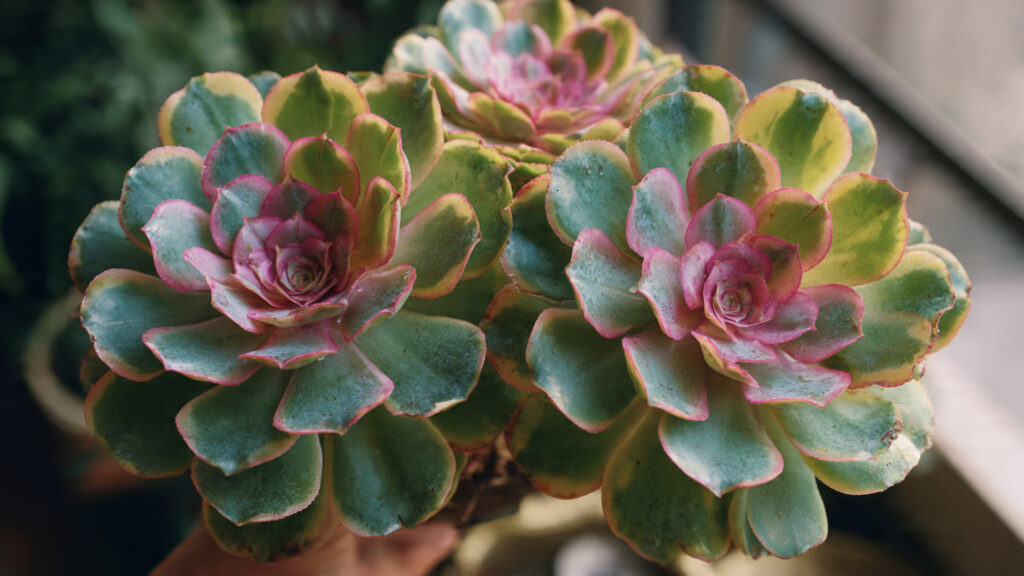
If you’re looking to add dramatic texture and sculptural beauty to your outdoor space without committing to high-maintenance plants, Aeonium rosettes are a perfect choice. These eye-catching succulents form symmetrical, rose-like clusters of leaves that can transform patios, balconies, and garden beds into stunning focal points. Best of all, they require surprisingly little effort once you understand their basic needs.
In this comprehensive guide, you’ll learn how to cultivate thriving Aeonium rosettes outdoors with minimal care while maximizing their color, shape, and longevity.
What Are Aeoniums?
Aeonium is a genus of succulent plants native primarily to the Canary Islands, Madeira, and parts of North Africa. Unlike many desert succulents, Aeoniums have a unique growing cycle that sets them apart. They grow actively during the cooler months and often go semi-dormant during intense summer heat.
Their most distinctive feature is their rosette formation. Leaves radiate outward from a central point, creating a flower-like shape. Some varieties display deep burgundy or nearly black foliage, while others glow in shades of lime green, bronze, or variegated cream.
Why Aeoniums Are Perfect for Outdoor Gardens
Aeoniums are ideal for gardeners who want beauty without constant maintenance. Here’s why:
- They are drought-tolerant.
- They thrive in containers and ground beds.
- They require minimal pruning.
- They propagate easily.
- They tolerate mild neglect better than most ornamental plants.
Because of their architectural shape, they pair beautifully with gravel gardens, modern landscaping, Mediterranean-style spaces, and even small balcony setups.
Choosing the Right Variety
Not all Aeoniums look the same. Choosing the right variety can enhance your outdoor design.
Some popular types include:
- Aeonium arboreum – A classic variety with green or dark purple rosettes.
- Aeonium ‘Zwartkop’ – Known for its striking near-black foliage.
- Aeonium haworthii – Compact and often variegated with creamy edges.
- Aeonium ‘Sunburst’ – A vibrant variety with yellow and green stripes and pink-tinged margins.
Select a variety based on your climate, available space, and color preference. Larger types work well in garden beds, while compact varieties thrive in pots and hanging planters.
Ideal Outdoor Growing Conditions
1. Sunlight
Aeoniums love bright light, but they don’t always appreciate harsh afternoon sun in extremely hot climates.
- In mild climates: Full sun works beautifully.
- In hot regions: Provide partial shade during peak afternoon heat.
- In coastal or cooler areas: They tolerate more direct sunlight.
Too much intense sun can scorch leaves, while too little light may cause stretching and weak growth.
2. Soil Requirements
Well-draining soil is essential. Aeoniums are susceptible to root rot if left sitting in waterlogged soil.
For best results:
- Use cactus or succulent potting mix.
- Add perlite, coarse sand, or pumice to improve drainage.
- Avoid heavy clay soil unless amended thoroughly.
If planting in the ground, consider raising the bed slightly to improve water runoff.
3. Watering Schedule
Aeoniums are drought-tolerant but not desert cacti. They require moderate watering during their active growth period (cooler months).
➡️ How to Grow Malabar Spinach from Cuttings for Fast, Easy Greens
➡️ How to Grow Super Delicious Cabbage at Home Without a Garden
➡️ How to Grow Bean Sprouts at Home in Plastic Bottles Easily (Step‑by‑Step Guide)
➡️ Why is Your Lemon Tree Blooming in the Heart of Winter?
➡️ Why Should Your Garden Have a Dedicated Pollinator Highway?
➡️ Why Do Your Fruit Trees Need a Winter Wash to Thrive in Spring?
➡️ How Can Rice Water Transform Your Fruits into Sweeter Delights?
➡️ Jumpstart Your Winter Garden: Seed Starting Under Lights
Watering guidelines:
- Water deeply but infrequently.
- Allow soil to dry out between watering.
- Reduce watering during hot summer dormancy.
- Avoid overhead watering that traps moisture in rosettes.
A simple rule: If the soil feels dry two inches down, it’s time to water.
4. Temperature Considerations
Aeoniums prefer mild temperatures between 15–24°C (60–75°F).
- They tolerate brief cold spells but may suffer below 5°C (40°F).
- In frost-prone areas, move potted plants indoors or provide protective covering.
- Intense heat may trigger dormancy and leaf drop.
If you live in a tropical or hot climate, placing Aeoniums where they receive morning sun and afternoon shade works best.
Planting Aeoniums Outdoors
Planting is straightforward and beginner-friendly.
Step 1: Prepare the Location
Choose a sunny but protected area with excellent drainage.
Step 2: Amend the Soil
Mix sand or perlite into native soil if necessary.
Step 3: Plant at Proper Depth
Place the root ball level with the soil surface. Avoid burying the stem too deeply.
Step 4: Water Lightly
After planting, water gently to help roots settle, then allow soil to dry before watering again.
Mulching with small stones or gravel helps reduce evaporation while keeping leaves dry.
Minimal Maintenance Tips for Stunning Rosettes
One of the best aspects of Aeoniums is how little care they need.
Pruning
Remove dried or damaged leaves by gently pulling them off. This keeps the rosettes tidy and prevents pest buildup.
After flowering, some varieties may produce tall flower stalks and then die back (monocarpic behavior). Simply remove the spent rosette and allow offsets to take over.
Fertilizing
Aeoniums are not heavy feeders.
- Use diluted succulent fertilizer once or twice during the growing season.
- Avoid over-fertilizing, which may cause weak, leggy growth.
Often, natural soil nutrients are sufficient.
Pest Control
Aeoniums are generally pest-resistant, but occasionally you may encounter:
- Mealybugs
- Aphids
- Spider mites
Treat infestations early with insecticidal soap or neem oil. Keeping plants dry and well-spaced reduces risk.
Easy Propagation for More Plants
One of the joys of growing Aeoniums is how simple propagation can be.
Stem Cuttings
- Cut a healthy rosette with a few inches of stem.
- Let it dry for 1–3 days to form a callus.
- Plant in dry, well-draining soil.
- Water lightly after a week.
Roots typically develop within a few weeks.
Offsets
Many Aeoniums naturally produce baby plants around the base. Separate them carefully and replant.
This makes it easy to expand your garden or share plants with friends.
Designing with Aeonium Rosettes
Aeoniums are visually striking, making them excellent design elements.
Container Gardens
Plant in terracotta pots for a Mediterranean look. Combine with trailing succulents for layered visual interest.
Rock Gardens
Their sculptural form contrasts beautifully with gravel and stones.
Mixed Beds
Pair with lavender, ornamental grasses, or other drought-tolerant plants.
Vertical Displays
Compact varieties work well in wall-mounted planters or raised beds.
Because they grow upward on thick stems, they add height without bulk.
Seasonal Care Guide
Spring & Fall (Active Growth)
- Regular watering.
- Light feeding.
- Ideal time for propagation.
Summer (Dormancy Period)
- Reduce watering.
- Provide shade if necessary.
- Expect some leaf drop.
Winter
- Protect from frost.
- Keep soil relatively dry.
Understanding their seasonal rhythm is key to minimal effort gardening.
Common Mistakes to Avoid
- Overwatering
- Poor drainage
- Too much fertilizer
- Ignoring dormancy
- Planting in deep shade
Most problems arise from excessive care rather than neglect.
Why Aeoniums Are Worth Growing
With their rose-like symmetry, vibrant color variations, and sculptural presence, Aeoniums bring artistic beauty to any outdoor space. They require less watering than most ornamentals, adapt well to containers, and multiply easily.
For gardeners seeking maximum visual impact with minimal maintenance, few plants match the charm and simplicity of Aeonium rosettes.
By providing well-draining soil, moderate sunlight, and occasional watering, you can enjoy thriving, picture-perfect rosettes year-round.