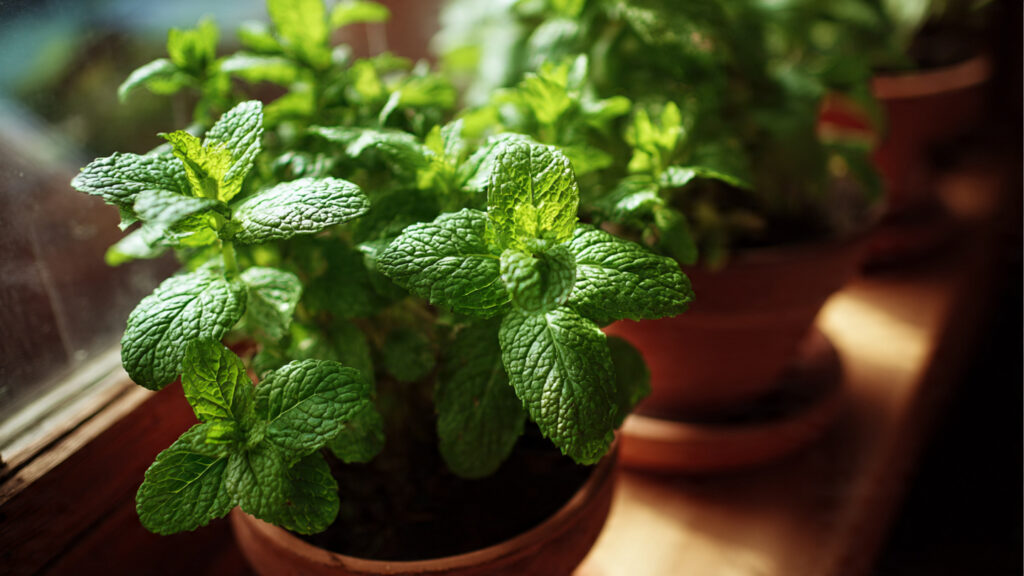
Imagine stepping into your kitchen and picking a handful of fresh, fragrant mint leaves to brew into tea, add to desserts, or garnish your favorite dishes. Chocolate mint (Mentha × piperita ‘Chocolate’) is a delightful variety that combines the refreshing aroma of classic mint with a subtle, sweet chocolatey flavor, making it a favorite among home gardeners and culinary enthusiasts alike. The best part? Growing chocolate mint at home is surprisingly simple, even for beginners. With just a few basic techniques, you can cultivate a thriving plant that will bring flavor, fragrance, and beauty to your home.
Why Grow Chocolate Mint at Home?
Chocolate mint isn’t just a treat for your taste buds—it’s a versatile herb that offers numerous benefits for the home gardener:
- Culinary Uses – From hot teas and chocolate desserts to salads and smoothies, chocolate mint adds a unique twist to a variety of dishes.
- Aromatic Appeal – Its delightful scent can freshen your kitchen, balcony, or windowsill.
- Easy to Grow – Chocolate mint is hardy, grows quickly, and can flourish in pots or garden beds.
- Natural Pest Deterrent – Like other mint varieties, chocolate mint can help deter pests such as ants and aphids naturally.
- Therapeutic Benefits – Mint leaves have calming properties and can aid digestion when used in teas or infused water.
With so many advantages, it’s no wonder chocolate mint has become a must-have herb for home gardeners.
Choosing the Right Growing Location
Chocolate mint thrives in conditions that mimic its natural habitat. Here’s what to consider when choosing where to plant it:
- Sunlight: Chocolate mint prefers partial to full sunlight. Ideally, place your plant where it receives 4–6 hours of sunlight per day. Too much harsh afternoon sun may scorch the leaves, while too little light can slow growth.
- Space: Chocolate mint spreads quickly, often taking over garden beds if not controlled. Consider growing it in a pot or container to prevent unwanted spreading.
- Soil: This herb prefers well-draining soil that is rich in organic matter. A mix of garden soil, compost, and a little sand works perfectly for containers or raised beds.
Pro Tip: If growing indoors, place the pot near a sunny window, or use grow lights to supplement sunlight.
Planting Chocolate Mint: Seeds, Cuttings, or Nursery Plants?
Chocolate mint can be propagated in several ways, making it accessible for gardeners at all levels:
1. From Seeds
Growing chocolate mint from seeds is possible but requires patience. Sow seeds in a shallow tray filled with moist seed-starting mix. Keep the soil consistently damp and cover the tray with a plastic dome or clear wrap to maintain humidity. Seeds typically germinate in 7–14 days.
2. From Cuttings
The fastest way to grow chocolate mint is from stem cuttings. Take a 4–6 inch cutting from a healthy plant, remove the lower leaves, and place the stem in a glass of water. Roots should develop within 1–2 weeks, after which you can transplant it into soil.
3. From Nursery Plants
Buying a small chocolate mint plant from a nursery is convenient and gives you a head start. Once home, transplant it into a pot or garden bed with well-prepared soil.
Watering and Care Tips
Chocolate mint thrives with consistent care. While it is hardy, paying attention to watering, pruning, and soil health ensures vigorous growth:
- Watering: Keep the soil evenly moist but not waterlogged. Overwatering can cause root rot, while underwatering may dry out the leaves and reduce flavor.
- Pruning: Regular pruning encourages bushier growth and prevents the plant from flowering too early. Pinch off the top 1–2 inches of stems every few weeks to stimulate new shoots.
- Fertilizing: Chocolate mint is not a heavy feeder, but adding a balanced organic fertilizer or compost once a month helps maintain lush growth and strong aroma.
- Pot Selection: If growing in containers, choose a pot with drainage holes. Chocolate mint grows vigorously and will need space for root expansion.
Pro Tip: Mulching around outdoor plants helps retain moisture and keeps the roots cool during hot summer months.
Harvesting Chocolate Mint
The joy of growing chocolate mint lies in harvesting its fragrant leaves. Follow these simple tips to get the best flavor:
- Timing: Harvest leaves just before the plant flowers for maximum flavor. Morning is the best time to pick, as oils are concentrated in the leaves.
- Method: Use clean scissors or pruning shears to snip stems 2–3 inches above the soil. Avoid cutting more than one-third of the plant at a time to allow continuous growth.
- Frequency: Regular harvesting encourages the plant to produce more leaves. You can harvest chocolate mint every few weeks throughout the growing season.
Fun Tip: Chocolate mint can also be dried for later use in teas, desserts, or homemade potpourri. Simply tie small bunches together and hang them in a cool, dry place.
Common Challenges and Solutions
Even easy-to-grow herbs like chocolate mint can face occasional challenges. Knowing what to watch for helps prevent problems before they become serious:
- Leggy Growth: If the plant grows tall and sparse, it may be seeking sunlight. Move it to a brighter location or provide supplemental light.
- Pests: Aphids, spider mites, and whiteflies may appear. A simple solution is to spray leaves with water or use an organic insecticidal soap.
- Root Invasion: Chocolate mint spreads aggressively in garden beds. Growing it in containers or using root barriers keeps it contained.
- Yellow Leaves: Overwatering or poor drainage can cause yellowing. Ensure pots have drainage holes and avoid waterlogging the soil.
Creative Uses for Chocolate Mint
Once your chocolate mint is thriving, the possibilities are endless:
➡️ How to Grow Malabar Spinach from Cuttings for Fast, Easy Greens
➡️ How to Grow Super Delicious Cabbage at Home Without a Garden
➡️ How to Grow Bean Sprouts at Home in Plastic Bottles Easily (Step‑by‑Step Guide)
➡️ Why is Your Lemon Tree Blooming in the Heart of Winter?
➡️ Why Should Your Garden Have a Dedicated Pollinator Highway?
➡️ Why Do Your Fruit Trees Need a Winter Wash to Thrive in Spring?
➡️ How Can Rice Water Transform Your Fruits into Sweeter Delights?
➡️ Jumpstart Your Winter Garden: Seed Starting Under Lights
- Culinary Creations – Chocolate mint is perfect for making herbal teas, chocolate mint brownies, ice creams, and cocktails.
- Infused Water – Add fresh leaves to water or lemonade for a refreshing twist.
- Garnishes – Sprinkle leaves on cakes, pastries, or savory dishes to add flavor and visual appeal.
- Aromatherapy – Keep a small plant on your windowsill or countertop for its soothing fragrance.
- Herbal Remedies – Chocolate mint can aid digestion, relieve headaches, and provide a calming effect when used in teas or infused oils.
Pro Tip: Freeze leaves in ice cube trays with water to preserve flavor for future use in drinks or cooking.
Growing Chocolate Mint Year-Round
With the right techniques, chocolate mint can be a year-round delight:
- Indoor Gardening: Keep the plant near sunny windows and maintain indoor humidity with occasional misting.
- Winter Care: Reduce watering during colder months but keep the soil slightly moist. Cut back stems to encourage healthy spring regrowth.
- Container Advantage: Growing in pots allows you to move plants indoors during harsh weather, ensuring uninterrupted growth.
Conclusion
Growing chocolate mint at home is not just a gardening activity—it’s a journey of sensory delight and culinary creativity. With its intoxicating aroma, sweet chocolatey flavor, and vibrant green leaves, chocolate mint can enhance your home, kitchen, and wellness routines. By following simple techniques such as choosing the right location, using cuttings or nursery plants, watering correctly, and regular harvesting, even beginners can enjoy a thriving, fragrant chocolate mint plant.
From teas and desserts to garnishes and aromatic indoor gardens, the uses of chocolate mint are as endless as your imagination. Whether you are a seasoned gardener or just starting, this easy-to-grow herb promises a rewarding experience, one flavorful leaf at a time.