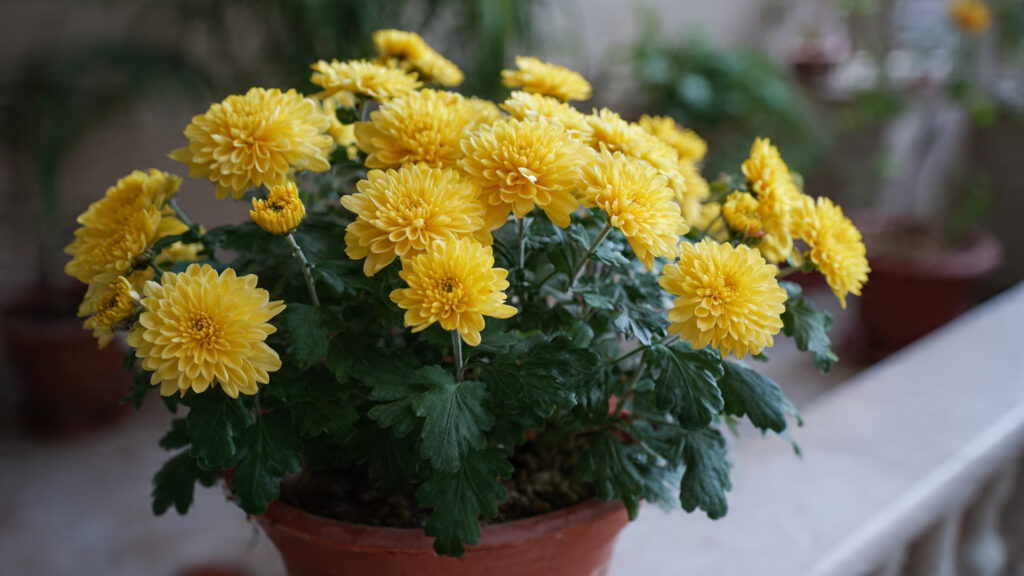
Chrysanthemums (Chrysanthemum morifolium), often affectionately called “mums,” are among the most popular flowering plants for home gardens. With their vibrant blooms, rich colors, and long-lasting flowers, chrysanthemums bring beauty and charm to gardens, patios, and indoor spaces alike. For beginners, growing chrysanthemums may seem intimidating due to concerns about pruning, soil requirements, and flowering cycles. However, with the right guidance, even novice gardeners can cultivate lush, bushy chrysanthemum plants that bloom abundantly.
This guide provides easy-to-follow techniques for beginners to grow healthy, compact, and bushy chrysanthemums, ensuring a rewarding gardening experience from planting to full bloom.
Understanding Chrysanthemums
Chrysanthemums belong to the Asteraceae family and are native to Asia and northeastern Europe. These hardy perennials are celebrated for their variety of shapes, colors, and sizes, making them a versatile choice for garden landscapes.
Types of Chrysanthemums
Before planting, it’s helpful to know the main types of chrysanthemums:
- Garden Mums: Typically grown outdoors, these produce large, bushy plants with abundant flowers.
- Pompon Mums: Compact plants with small, globe-shaped blooms, ideal for borders and containers.
- Florist Mums: Often sold as potted plants for indoor decoration.
For beginners aiming to grow bushy outdoor plants, garden mums are the most suitable choice due to their adaptability and ease of maintenance.
Choosing the Right Location
The location of your chrysanthemum plants significantly affects their growth and bushiness.
Sunlight
- Chrysanthemums thrive in full sun, requiring at least 6 hours of direct sunlight per day.
- Insufficient light leads to weak stems, sparse foliage, and reduced flowering.
Soil
- Well-draining soil is crucial to prevent root rot and promote healthy growth.
- A slightly acidic to neutral pH (6.0–7.0) is ideal.
- Enrich the soil with compost or organic matter to provide nutrients for vigorous growth.
Air Circulation
- Good airflow reduces the risk of fungal diseases and encourages strong, bushy stems.
- Avoid overcrowded planting; space plants 18–24 inches apart for proper airflow.
Selecting an ideal site sets the foundation for healthy, bushy growth and abundant flowers.
Planting Chrysanthemums
Starting from Seeds
- Chrysanthemum seeds can be started indoors 6–8 weeks before the last frost.
- Use seed trays with a light, well-draining soil mix.
- Keep the soil moist and maintain temperatures around 70°F (21°C).
- Transplant seedlings outdoors once they have 3–4 sets of true leaves and danger of frost has passed.
Using Cuttings
- Many gardeners prefer propagation from cuttings because it produces clones of the parent plant and ensures faster blooming.
- Take 3–4 inch cuttings from healthy plants in early spring.
- Dip the cut end in rooting hormone and plant in a well-draining soil mix.
- Keep the cuttings moist and in indirect light until roots develop.
Planting Technique
- Dig a hole slightly larger than the root ball.
- Place the plant and backfill with enriched soil.
- Water thoroughly to settle the soil and eliminate air pockets.
- Apply a 1–2 inch layer of mulch to retain moisture and control weeds.
Proper planting ensures strong root development, which is crucial for producing bushy foliage and abundant flowers.
Encouraging Bushy Growth
One of the most important goals in chrysanthemum gardening is achieving a dense, bushy plant rather than a tall, leggy one.
Pinching Technique
- Pinching involves removing the top 1–2 inches of the plant’s shoots when it reaches 6–8 inches in height.
- This encourages lateral branching, resulting in a fuller, bushier plant.
- Repeat pinching every 2–3 weeks until mid-summer to maximize branching.
Pruning
- Remove weak, spindly stems and any damaged leaves during the growing season.
- Pruning not only promotes bushiness but also improves airflow and light penetration.
Fertilization
- Use a balanced, slow-release fertilizer to support healthy foliage and strong stems.
- Nitrogen-rich fertilizers promote leaf growth, while phosphorus supports root development and flowering.
- Avoid over-fertilization, which can produce excessive leaf growth at the expense of flowers.
Watering
- Keep the soil consistently moist but not waterlogged.
- Deep watering encourages strong root systems that support bushy growth.
- Mulching around the base helps retain moisture and reduces watering frequency.
By combining pinching, pruning, fertilization, and proper watering, gardeners can create full, lush chrysanthemums that are the envy of any garden.
Supporting Your Chrysanthemums
As chrysanthemums grow taller, support may be needed to prevent stems from bending or breaking, especially under the weight of blooms:
- Use stakes or plant rings to support stems.
- Tie plants loosely with soft twine to avoid damaging stems.
- Ensure support structures do not interfere with sunlight or airflow.
Supportive structures help maintain the plant’s shape and contribute to a dense, attractive bush.
Pest and Disease Management
Healthy chrysanthemums grow faster and more vigorously. Preventing pests and diseases ensures bushy, thriving plants.
Common Pests
- Aphids: Small, sap-sucking insects that weaken stems.
- Spider mites: Tiny pests that cause leaf discoloration and stunted growth.
- Caterpillars: Feed on leaves and flowers.
Disease Prevention
- Powdery mildew: White, powdery fungal growth on leaves.
- Leaf spot: Dark spots caused by fungal or bacterial infections.
- Root rot: Caused by poorly drained soil.
Management Tips
- Inspect plants regularly and remove affected leaves.
- Encourage natural predators like ladybugs and lacewings.
- Apply organic fungicides or insecticidal soap if needed.
- Maintain good spacing for airflow to prevent fungal infections.
Consistently healthy plants focus their energy on producing more leaves and flowers, contributing to overall bushiness.
Flowering and Blooming
While bushiness is important, flowers are the highlight of chrysanthemum gardening:
➡️ How to Grow Malabar Spinach from Cuttings for Fast, Easy Greens
➡️ How to Grow Super Delicious Cabbage at Home Without a Garden
➡️ How to Grow Bean Sprouts at Home in Plastic Bottles Easily (Step‑by‑Step Guide)
➡️ Why is Your Lemon Tree Blooming in the Heart of Winter?
➡️ Why Should Your Garden Have a Dedicated Pollinator Highway?
➡️ Why Do Your Fruit Trees Need a Winter Wash to Thrive in Spring?
➡️ How Can Rice Water Transform Your Fruits into Sweeter Delights?
➡️ Jumpstart Your Winter Garden: Seed Starting Under Lights
- Most garden mums bloom in late summer to fall.
- Regular pinching delays flowering slightly, allowing more time for foliage development.
- Once buds appear, reduce nitrogen fertilization and increase phosphorus and potassium to support flower formation.
- Deadhead spent flowers to encourage more blooms and prolong the flowering period.
Balanced attention to foliage and flowering ensures both a bushy appearance and a vibrant display of flowers.
Container Chrysanthemums
Chrysanthemums also thrive in containers, making them ideal for patios or small spaces:
- Choose pots with drainage holes to prevent root rot.
- Use a high-quality potting mix enriched with compost.
- Pinch regularly to encourage bushy growth.
- Water consistently and fertilize monthly with a balanced liquid fertilizer.
Container-grown chrysanthemums provide flexibility and allow gardeners to control soil and watering conditions more precisely.
Seasonal Care for Beginners
- Spring: Plant or transplant chrysanthemums, begin regular pinching, and fertilize lightly.
- Summer: Continue pinching, fertilize every 4–6 weeks, water deeply, and monitor for pests.
- Fall: Reduce nitrogen fertilization, support stems as flowers bloom, deadhead spent blooms.
- Winter (for perennials): Mulch heavily to protect roots in cold climates or bring potted plants indoors.
Following a seasonal care schedule ensures continuous growth and bushiness throughout the growing season.
Tips for Beginners
- Start with a few plants to learn the care routine before expanding your garden.
- Use labeled stakes to track varieties and bloom times.
- Take photos weekly to monitor growth and adjust care as needed.
- Practice patience: Chrysanthemums may take a few weeks to show significant branching and leaf growth after pinching.
Simple, consistent care routines help beginners cultivate beautiful, bushy plants without overwhelming effort.
Final Thoughts
Growing bushy chrysanthemums is entirely achievable for beginners with the right techniques. Key practices include:
- Selecting suitable varieties and healthy plants
- Choosing an ideal location with full sun and well-draining soil
- Pinching and pruning regularly to encourage lateral growth
- Providing balanced fertilization, proper watering, and pest control
- Supporting stems and monitoring growth through seasonal care
By following this easy guide, novice gardeners can enjoy vibrant, bushy chrysanthemums with abundant blooms. With patience, consistency, and attention to detail, your home garden can transform into a colorful oasis of fragrant, full-bodied chrysanthemums that impress every season.