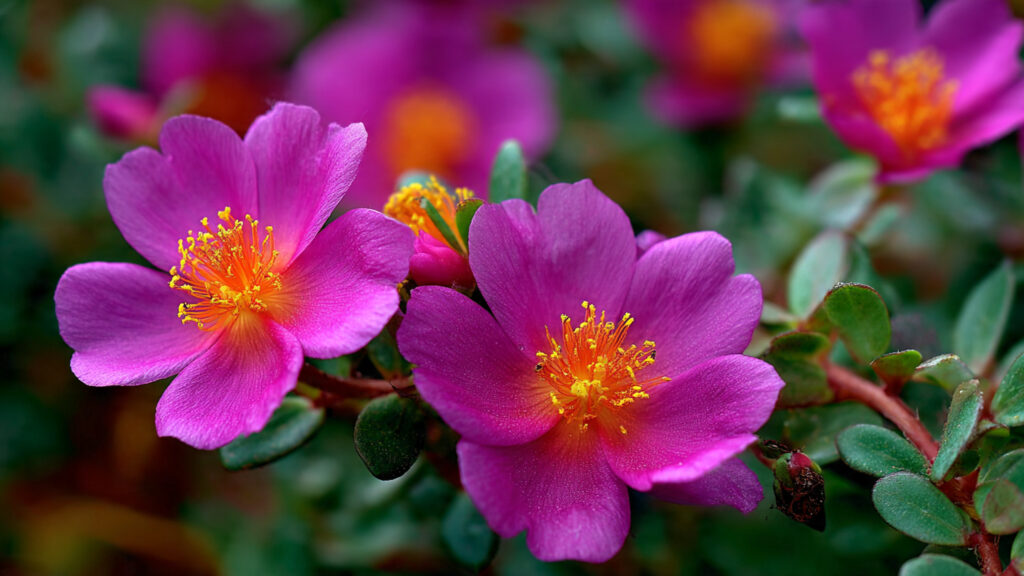
Portulaca, commonly known as moss rose or sun plant, is a low-maintenance, heat-loving flowering plant that adds a vibrant splash of color to any garden. With its brilliant, cup-shaped blooms and succulent-like foliage, portulaca is perfect for flower beds, borders, containers, hanging baskets, and rock gardens. One of its most appealing traits is its resilience—thriving in hot, dry conditions where many other flowers struggle. For gardeners seeking a colorful, fuss-free addition to their landscape, growing portulaca is an excellent choice. This guide provides step-by-step instructions for cultivating healthy, vibrant portulaca plants that will brighten your garden all season long.
Understanding Portulaca
Portulaca is a succulent annual known for its ability to withstand intense sunlight and dry soil. Native to South America, it has adapted to thrive in hot climates, making it a favorite for summer gardens. Its key features include:
- Bright Blooms: Flowers come in shades of red, pink, yellow, orange, white, and bi-color varieties.
- Succulent Foliage: Thick, water-retaining leaves reduce water needs.
- Prolonged Flowering: Blooms open in sunlight and close at night, often lasting from late spring to the first frost.
Portulaca’s compact growth habit makes it ideal for mass planting or mixed borders, where a carpet of color can transform any garden space.
Step 1: Choosing the Right Variety
Several portulaca varieties exist, each with slightly different flower size, color, and growth habit:
- Portulaca Grandiflora: Large, vibrant flowers, ideal for showy displays.
- Portulaca Double Flower: More petals per bloom, creating a fuller appearance.
- Portulaca Mixed Colors: Offers a variety of colors in a single pack, perfect for a natural, colorful effect.
- Trailing Varieties: Ideal for hanging baskets, window boxes, or container edges.
Selecting the right variety based on your garden layout and design vision ensures optimal color and growth.
Step 2: Selecting a Planting Location
Portulaca thrives in full sun, making light exposure one of the most critical factors for success:
- Full Sun: Choose a location that receives at least 6–8 hours of direct sunlight daily.
- Well-Drained Soil: Sandy or loamy soil prevents waterlogging, which can rot roots.
- Air Circulation: Good airflow reduces the risk of fungal issues, especially in humid climates.
Portulaca’s heat tolerance makes it ideal for hot, sunny spots where other flowers might wilt or struggle.
Step 3: Preparing the Soil
Even though portulaca is tolerant of poor soil, enriching the planting area improves plant health and flower production:
- Soil Mix: Use well-draining soil with added sand or perlite to enhance drainage.
- Nutrient Addition: Incorporate a small amount of compost or balanced fertilizer for better blooms.
- Soil pH: Neutral to slightly acidic soil (pH 6.0–7.0) is ideal.
Avoid heavy clay soils that retain too much water, as portulaca is prone to root rot in soggy conditions.
Step 4: Sowing Seeds and Propagation
Portulaca can be grown from seeds or cuttings, making it versatile for home gardeners:
A. From Seeds
- Scatter seeds thinly on prepared soil or in seed trays.
- Lightly press seeds into the soil without covering them, as they need light to germinate.
- Keep the soil moist but not waterlogged.
- Seeds usually germinate within 7–14 days under warm conditions (70–85°F / 21–29°C).
B. From Cuttings
- Snip a healthy stem from an existing plant.
- Allow the cutting to callus for a few hours.
- Plant in moist, well-draining soil.
- Roots will form within 2–3 weeks, resulting in a new plant identical to the parent.
Starting from seeds offers more variety, while cuttings ensure consistency in flower color and form.
Step 5: Planting Techniques
Whether starting from seedlings or cuttings, proper planting techniques ensure healthy growth:
- Spacing: Space plants 6–12 inches apart for good airflow and room to spread.
- Planting Depth: Plant at the same depth as in the seed tray or nursery pot.
- Watering After Planting: Water lightly to help roots settle but avoid soaking the soil.
Proper planting reduces transplant shock and encourages vigorous growth.
Step 6: Watering and Moisture Management
Portulaca is drought-tolerant, but regular care ensures maximum flower production:
- Watering Frequency: Water only when soil is dry to the touch. Overwatering reduces blooms and may cause root rot.
- Method: Water at the base to avoid wetting foliage, which can lead to disease.
- Rain-Tolerant: Portulaca often thrives with natural rainfall, but indoor or container plants may require supplemental watering.
Allowing soil to dry between waterings mimics its natural arid habitat and enhances flower resilience.
➡️ How to Grow Malabar Spinach from Cuttings for Fast, Easy Greens
➡️ How to Grow Super Delicious Cabbage at Home Without a Garden
➡️ How to Grow Bean Sprouts at Home in Plastic Bottles Easily (Step‑by‑Step Guide)
➡️ Why is Your Lemon Tree Blooming in the Heart of Winter?
➡️ Why Should Your Garden Have a Dedicated Pollinator Highway?
➡️ Why Do Your Fruit Trees Need a Winter Wash to Thrive in Spring?
➡️ How Can Rice Water Transform Your Fruits into Sweeter Delights?
➡️ Jumpstart Your Winter Garden: Seed Starting Under Lights
Step 7: Fertilization for Vibrant Blooms
While portulaca grows well in poor soil, light fertilization promotes more abundant flowering:
- Balanced Fertilizer: Use a water-soluble fertilizer (10-10-10 NPK) every 4–6 weeks.
- Flower Booster: Fertilizers higher in phosphorus encourage larger, more vibrant blooms.
- Avoid Over-Fertilization: Excess nitrogen promotes leafy growth at the expense of flowers.
Regular, moderate feeding supports continuous flowering and long-lasting garden color.
Step 8: Pruning and Deadheading
Maintaining portulaca’s appearance encourages new blooms and prolongs the flowering season:
- Deadheading: Remove faded or dried flowers to stimulate new blooms.
- Pruning: Trim overgrown stems to maintain a neat shape or encourage branching.
- Encouraging Trailing Growth: Pinch tips on trailing varieties to promote fuller, cascading blooms in containers.
Routine maintenance keeps the garden vibrant and visually appealing.
Step 9: Pest and Disease Management
Portulaca is generally resistant to most pests and diseases, but occasional problems may arise:
- Aphids: Spray lightly with insecticidal soap or neem oil if detected.
- Fungal Issues: Avoid overhead watering and ensure adequate spacing and airflow.
- Snails and Slugs: Rarely a problem in hot, dry conditions but may occur in damp climates.
Proactive monitoring ensures that plants remain healthy and flowering consistently.
Step 10: Container and Hanging Basket Gardening
Portulaca thrives in containers and hanging baskets, offering colorful accents for patios, balconies, or windowsills:
- Container Choice: Use well-draining pots at least 6–8 inches deep.
- Soil: Lightweight, fast-draining potting mix with added sand or perlite.
- Watering and Fertilizing: Water lightly and feed regularly as per general guidelines.
- Trailing Varieties: Let stems cascade over edges for a spectacular visual effect.
Container gardening allows flexibility in placement and ensures sun exposure for maximum blooms.
Step 11: Seasonal Care and Continuous Flowering
Portulaca is a warm-season annual that thrives from late spring through fall:
- Temperature: Prefers 70–85°F (21–29°C). Protect from frost.
- Sunlight: Full sun is critical for vibrant blooms.
- Succession Planting: Sow seeds every few weeks to maintain continuous color throughout the season.
By managing planting times and sun exposure, gardeners can enjoy a colorful display for months on end.
Step 12: Creative Garden Designs with Portulaca
Portulaca’s versatility makes it ideal for various landscaping and decorative purposes:
- Flower Beds: Plant in clusters for a vibrant, carpet-like effect.
- Borders and Edges: Define pathways or garden edges with a low, colorful border.
- Rock Gardens: Thrive in dry, rocky areas where other plants struggle.
- Mixed Containers: Combine with other succulents or drought-tolerant flowers for visual interest.
Creative placement highlights portulaca’s vivid blooms and resilient nature.
Conclusion
Growing vibrant portulaca is an easy and rewarding way to infuse your garden with color, especially during the hot summer months when many other plants struggle. By selecting the right variety, providing full sun, well-draining soil, and moderate watering, you can cultivate healthy, long-lasting blooms that thrive in heat and drought.
From seed sowing and propagation to container gardening and maintenance, portulaca is remarkably forgiving, making it ideal for beginners and experienced gardeners alike. Regular deadheading, light fertilization, and adequate spacing ensure continuous flowering and a visually stunning garden throughout the season.
Whether planted in beds, borders, or containers, portulaca brings a low-maintenance, high-impact burst of color to your landscape. With the techniques outlined in this guide, anyone can enjoy a vibrant, flourishing portulaca garden that brightens the home environment and delights the senses all season long.