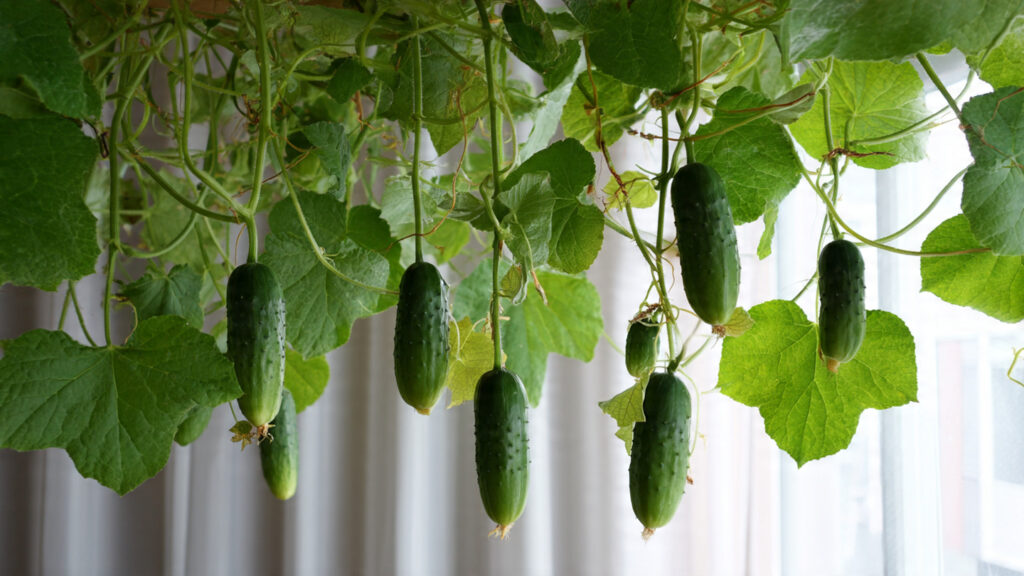
Cucumbers (Cucumis sativus) are one of the most popular vegetables in home gardens, valued for their crisp texture, refreshing taste, and versatility in salads, pickles, and culinary dishes. Traditional cucumber growing often requires considerable ground space because vines sprawl across the soil. However, with the right techniques, cucumbers can be grown vertically, maximizing yield while taking up minimal space. Vertical gardening is not only space-efficient but also improves air circulation, reduces disease, and makes harvesting easier.
This guide explores an easy hack to grow cucumbers vertically, including container selection, trellis construction, planting, care, and tips for achieving abundant yields in small areas.
Why Grow Cucumbers Vertically?
Vertical cucumber growing offers multiple advantages over traditional horizontal planting:
- Space Efficiency – Ideal for small gardens, patios, balconies, or urban spaces.
- Higher Yield – Vines receive more sunlight, which enhances flowering and fruit production.
- Improved Air Circulation – Reduces humidity around leaves, lowering the risk of powdery mildew and other fungal diseases.
- Ease of Harvesting – Fruits hang within reach, making picking easier and reducing damage.
- Healthier Fruit – Cucumbers grown off the ground are less prone to rot, pest damage, and misshapen growth.
By adopting vertical growing, gardeners can achieve maximum production with minimal space, perfect for small plots or container gardening.
Choosing the Right Cucumber Variety
Not all cucumbers are suited for vertical growth. Selecting the appropriate variety is critical:
- Vining or climbing types – Look for varieties labeled “vine” or “trellis” such as Marketmore, Lemon Cucumber, or Straight Eight.
- Compact varieties – Mini cucumbers or bush types can also be trained on small trellises.
- Pickling varieties – Smaller, firm-fruited cucumbers thrive in vertical systems for continuous harvest.
Choosing a vigorous, disease-resistant variety ensures strong vine growth and abundant fruit.
Container Selection for Vertical Cucumber Gardening
For small spaces, container growing is an effective option:
- Size – Use pots at least 12–16 inches deep and 14–18 inches wide to accommodate the root system.
- Material – Plastic, ceramic, or fabric pots with drainage holes work well. Fabric pots improve aeration.
- Drainage – Ensure the container has multiple drainage holes to prevent waterlogging and root rot.
A healthy root system is essential for vertical growth and high yields.
Trellis Construction: The Key to Vertical Growth
The most important component of vertical cucumber growing is the trellis or support structure. This “hack” allows you to train the vine upward, saving space and improving productivity:
1. Trellis Materials
- Wooden stakes or PVC pipes – Provide sturdy vertical support for vines.
- Trellis netting or mesh – Easy for vines to cling to and allows fruits to hang freely.
- String or garden twine – Simple method for single vine training.
2. Trellis Design
- A-frame trellis – Two panels forming a triangle; strong and space-saving.
- Flat vertical trellis – Single panel secured behind the container; allows multiple vines to climb.
- String method – Tie twine from the pot to an overhead support, winding the vine around as it grows.
3. Trellis Height
- Cucumbers require 6–8 feet of vertical support for full growth. For dwarf or bush varieties, 3–4 feet may suffice.
A sturdy trellis ensures the plant remains upright, supports fruit weight, and maximizes sunlight exposure.
Planting Cucumbers for Vertical Growth
Planting techniques impact vine health and fruit production:
- Seed Starting
- Start seeds indoors 2–4 weeks before the last frost.
- Sow in seed trays or small pots using a moist, well-draining seed mix.
- Germination typically occurs within 7–10 days at temperatures between 70–85°F (21–29°C).
- Transplanting
- Move seedlings to containers or garden beds when they have 2–3 true leaves.
- Plant near the trellis, spacing one plant per 12–18 inches for optimal air circulation.
- Water well immediately after transplanting to reduce transplant shock.
- Direct Sowing
- In warm climates, cucumber seeds can be sown directly at the base of the trellis.
- Sow 2–3 seeds per container, thinning to the strongest seedling after germination.
Correct planting ensures strong vine establishment and easier vertical training.
Training Cucumbers Up the Trellis
The trick to vertical cucumber gardening is guiding the vine:
- Begin gently tying the main stem to the trellis as it grows.
- Encourage lateral shoots to wrap naturally around support.
- Use soft ties, cloth strips, or twine to avoid damaging the tender stem.
- As fruits develop, guide them to hang freely without twisting or crowding.
Proper training allows maximum sunlight exposure for leaves, improving flowering and fruit production.
Watering and Nutrient Management
Cucumbers are heavy feeders and water lovers, especially in containers:
➡️ How to Grow Malabar Spinach from Cuttings for Fast, Easy Greens
➡️ How to Grow Super Delicious Cabbage at Home Without a Garden
➡️ How to Grow Bean Sprouts at Home in Plastic Bottles Easily (Step‑by‑Step Guide)
➡️ Why is Your Lemon Tree Blooming in the Heart of Winter?
➡️ Why Should Your Garden Have a Dedicated Pollinator Highway?
➡️ Why Do Your Fruit Trees Need a Winter Wash to Thrive in Spring?
➡️ How Can Rice Water Transform Your Fruits into Sweeter Delights?
➡️ Jumpstart Your Winter Garden: Seed Starting Under Lights
- Watering
- Keep soil consistently moist but not waterlogged.
- Water at the base to avoid wetting leaves, reducing disease risk.
- Deep watering encourages strong root development.
- Fertilization
- Use a balanced, water-soluble fertilizer every 2–3 weeks during the growing season.
- Side-dress with compost or organic fertilizer for sustained growth.
- Fertilize lightly when flowers begin to form to enhance fruit set and size.
Consistent hydration and nutrients maximize vine health and fruit yield.
Pest and Disease Management
Vertical cucumber gardening reduces disease risk but vigilance is still required:
- Powdery mildew – Caused by poor airflow or high humidity; vertical growth helps prevent it.
- Aphids – Use insecticidal soap or neem oil for control.
- Cucumber beetles – Monitor for beetles and hand-pick or use row covers.
- Downy mildew – Prevent with good spacing and avoid overhead watering.
Regular inspection and preventive measures ensure healthy vines and clean fruit.
Maximizing Yield with Vertical Gardening
Vertical growth allows for denser planting and continuous harvests:
- Multiple plants per trellis – Plant 2–3 vines per trellis for higher density.
- Pruning – Remove lateral shoots not producing flowers to direct energy to main fruiting stems.
- Succession planting – Sow seeds every 2–3 weeks for a continuous harvest.
- Pollination support – Encourage bees or hand-pollinate flowers if needed to improve fruit set.
These strategies optimize both space usage and total yield.
Harvesting Cucumbers
Cucumbers grow quickly and should be harvested when fruits reach ideal size:
- Pick regularly to encourage continuous production.
- Most varieties are ready 50–70 days after planting.
- Use scissors or snip with garden shears to avoid damaging vines.
- Harvest when cucumbers are firm, green, and uniform in size; overripe fruits can reduce vine vigor.
Frequent harvesting also prevents crowding and ensures fruits develop straight and healthy.
Additional Tips for Small-Space Success
- Container Placement – Position containers in full sun for 6–8 hours daily.
- Companion Planting – Grow basil, marigold, or nasturtium nearby to repel pests.
- Mulching – Add a layer of mulch to conserve soil moisture and reduce temperature swings.
- Support Maintenance – Ensure trellis and ties remain sturdy as fruit weight increases.
- Indoor or Balcony Gardening – Move containers indoors during frost or extreme heat to protect vines.
These small hacks make vertical cucumber gardening easy, efficient, and productive.
Conclusion
Growing cucumbers vertically is a game-changer for gardeners with limited space. By using a sturdy trellis, proper containers, nutrient-rich soil, and careful vine training, you can achieve maximum yield in minimal space. Vertical gardening not only improves air circulation and sunlight exposure but also simplifies maintenance, reduces disease risk, and makes harvesting effortless.
Whether you live in an apartment, have a small backyard, or want to increase production in a garden bed, vertical cucumber growing is the perfect solution. With proper care, pruning, fertilization, and consistent watering, you can enjoy fresh, crisp cucumbers throughout the growing season, transforming your limited garden space into a high-yield, productive paradise.
This easy hack is more than just space-saving—it is an efficient, rewarding, and visually appealing way to cultivate cucumbers, giving both novice and experienced gardeners the tools to maximize growth, health, and flavor in every harvest.