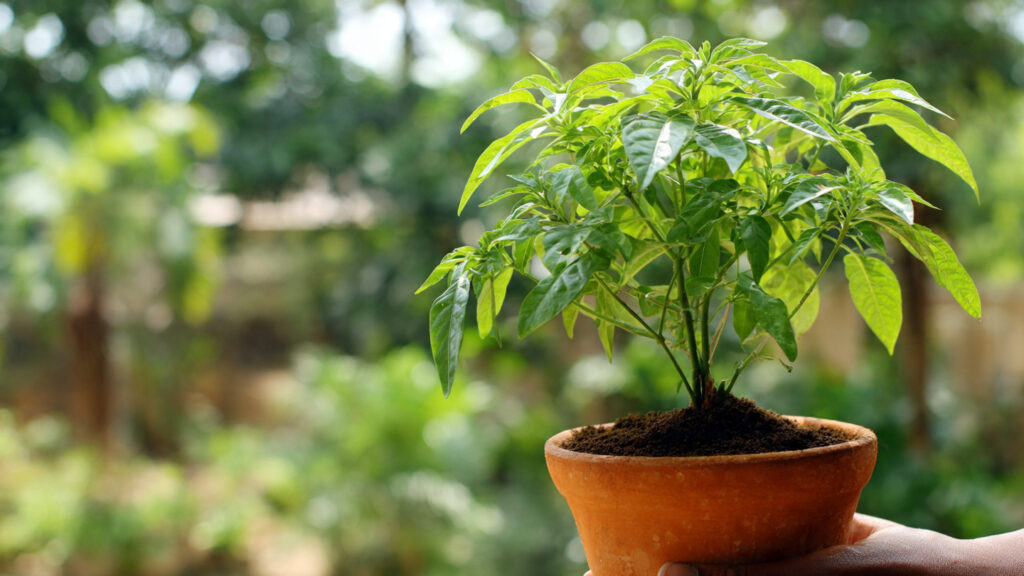
Sadabahar, also known as Catharanthus roseus, is a perennial flowering plant admired for its vibrant blooms and low-maintenance care. Commonly called the Madagascar periwinkle, it produces small, colorful flowers throughout the year, earning it the name “sadabahar,” which means “evergreen” or “always in bloom.” Its continuous flowering makes it a favorite for home gardens, balconies, and indoor pots.
While sadabahar is naturally hardy, many gardeners struggle to achieve a bushy, full growth pattern, often ending up with tall, sparse plants. Fortunately, there is an easy and natural hack to encourage bushiness, improve flowering, and create a healthier, more attractive plant. This guide will provide step-by-step instructions on growing a lush, bushy sadabahar naturally at home without the need for chemical growth stimulants.
Why Sadabahar is Ideal for Home Gardening
Sadabahar is a versatile plant with multiple benefits:
- Year-Round Blooms: Flowers appear in multiple colors including white, pink, and purple.
- Low Maintenance: Thrives in a variety of soil types and requires minimal care.
- Medicinal Uses: Traditionally used in herbal remedies for ailments like diabetes and skin issues.
- Aesthetic Appeal: Perfect for borders, containers, hanging baskets, or garden beds.
- Wildlife Friendly: Attracts butterflies and bees, enhancing garden biodiversity.
Because of its continuous blooming and resilience, sadabahar is perfect for beginner gardeners and busy plant enthusiasts.
Step 1: Choosing the Right Location
Sadabahar thrives best in sunny locations but can tolerate partial shade. To ensure bushy growth:
- Sunlight: Provide 4–6 hours of direct sunlight daily for vibrant flowers.
- Air Circulation: Ensure adequate airflow to prevent fungal infections and promote strong stems.
- Space: Leave sufficient spacing between plants (about 12–18 inches) to allow natural expansion.
A proper location is crucial for healthy growth and maximum bushiness.
Step 2: Preparing the Soil
Sadabahar prefers well-draining soil enriched with organic matter. The right soil encourages root development and supports dense branching.
Soil Preparation Steps:
- Loosen the Soil: Use a garden fork or trowel to aerate the soil, improving drainage.
- Add Organic Matter: Mix compost, well-rotted manure, or leaf mold into the soil to enrich nutrients.
- Check pH: Sadabahar grows well in slightly acidic to neutral soil (pH 6.0–7.0).
- Improve Drainage: If the soil is heavy clay, add sand or perlite to prevent waterlogging.
Healthy soil ensures strong root systems, which are the foundation of bushy growth.
Step 3: Selecting Healthy Plants or Cuttings
For best results, start with healthy sadabahar plants or cuttings:
- Seedlings: Choose robust seedlings with strong stems and healthy leaves.
- Cuttings: Take 4–6 inch softwood cuttings from a mature plant with active growth.
- Avoid Weak Plants: Avoid diseased, leggy, or stressed plants, which are unlikely to thrive.
Starting with healthy stock increases the likelihood of achieving dense, bushy growth.
Step 4: Planting Sadabahar
Proper planting technique supports natural branching:
- Hole Preparation: Dig a hole slightly larger than the root ball of the plant.
- Planting Depth: Plant seedlings or cuttings so the crown is slightly above soil level.
- Backfill Soil: Cover roots with prepared soil and firm gently.
- Watering: Water immediately after planting to help settle the soil and reduce transplant shock.
Correct planting reduces stress, allowing the plant to focus energy on producing lateral branches.
Step 5: Easy Hack for Natural Bushiness
The key to a naturally bushy sadabahar is pinching and pruning. This simple technique encourages lateral branching and compact growth.
How to Pinch:
- Identify Growth Tips: Look for the topmost shoot or growing tip of the plant.
- Pinch or Snip: Using fingers or clean scissors, pinch off the tip just above a leaf node.
- Encourage Lateral Branching: Each pinched tip promotes two or more new shoots from the leaf node below.
- Repeat Regularly: Pinch tips every 4–6 weeks during the growing season to maintain compact, bushy growth.
This method mimics natural growth patterns and eliminates the need for chemical growth enhancers.
➡️ How to Grow Malabar Spinach from Cuttings for Fast, Easy Greens
➡️ How to Grow Super Delicious Cabbage at Home Without a Garden
➡️ How to Grow Bean Sprouts at Home in Plastic Bottles Easily (Step‑by‑Step Guide)
➡️ Why is Your Lemon Tree Blooming in the Heart of Winter?
➡️ Why Should Your Garden Have a Dedicated Pollinator Highway?
➡️ Why Do Your Fruit Trees Need a Winter Wash to Thrive in Spring?
➡️ How Can Rice Water Transform Your Fruits into Sweeter Delights?
➡️ Jumpstart Your Winter Garden: Seed Starting Under Lights
Step 6: Watering Practices
Proper watering is essential to support bushy growth:
- Young Plants: Keep the soil consistently moist but not waterlogged.
- Established Plants: Water deeply 2–3 times per week during dry periods.
- Mulching: Apply a thin layer of mulch around the base to retain moisture and regulate soil temperature.
Avoid overwatering, which can lead to root rot and weak, leggy stems.
Step 7: Fertilizing Sadabahar Naturally
Regular, balanced nutrition helps produce dense foliage and vibrant flowers:
- Organic Fertilizers: Use compost, vermicompost, or well-rotted manure.
- Frequency: Feed every 3–4 weeks during active growth periods.
- Avoid Excess Nitrogen: Too much nitrogen encourages leafy growth at the expense of flowers.
- Optional Foliar Feeding: Spray diluted liquid compost or cow urine solution for additional nutrients.
Natural fertilization strengthens plants, promoting fuller, bushier growth without harming the environment.
Step 8: Pruning for Maintenance
Pruning not only shapes the plant but also encourages continued bushiness:
- Deadheading: Remove spent flowers to direct energy toward new growth.
- Remove Dead or Weak Stems: Cut away old, woody, or leggy stems.
- Trim for Shape: Regularly trim lateral branches to maintain a compact, dense canopy.
Pruning ensures the plant remains attractive and promotes continuous flowering.
Step 9: Pest and Disease Management
Sadabahar is relatively pest-resistant, but vigilance ensures healthy, bushy plants:
Common Pests:
- Aphids
- Whiteflies
- Spider mites
Common Diseases:
- Leaf spot
- Powdery mildew
Prevention Tips:
- Avoid overcrowding to improve airflow.
- Spray neem oil or mild soap solution for minor infestations.
- Remove diseased leaves promptly.
- Maintain proper watering and sunlight to strengthen plant immunity.
Healthy plants naturally grow bushier and produce more flowers.
Step 10: Seasonal Care
Sadabahar thrives year-round in warm climates but benefits from seasonal adjustments:
- Summer: Ensure consistent watering, particularly during dry spells.
- Monsoon/Rainy Season: Protect from waterlogging by improving drainage.
- Winter: In cooler climates, provide light protection or grow in containers that can be moved indoors.
Adjusting care according to seasons ensures continuous, healthy growth.
Step 11: Encouraging Continuous Flowering
To keep sadabahar blooming abundantly:
- Pinching: Encourages lateral branches and more flowering sites.
- Deadheading: Remove faded blooms to stimulate new flowers.
- Fertilization: Provide balanced nutrients without excess nitrogen.
- Sunlight: Maintain 4–6 hours of bright light daily.
Consistent care combined with pruning results in a lush, bushy plant covered in vibrant blooms.
Step 12: Companion Planting
Sadabahar pairs well with other flowering or aromatic plants:
- Marigolds for added color
- Petunias or vincas for vibrant garden beds
- Herbs like basil or rosemary for a mixed container garden
Companion planting can create a visually appealing garden while improving pollinator attraction.
Step 13: Propagation for Expansion
Once your sadabahar is thriving, you can propagate more plants naturally:
- Stem Cuttings: Take softwood cuttings from healthy branches.
- Water or Soil Method: Root cuttings using water propagation or directly in well-draining soil.
- Regular Pinching: Promotes multiple lateral shoots that can be used for cuttings.
Propagation allows you to multiply plants for other areas of your garden or to share with friends and family.
Step 14: Troubleshooting Common Problems
Sparse Growth or Leggy Plants
- Cause: Insufficient sunlight or lack of pinching
- Solution: Move plant to sunnier location and regularly pinch growing tips
Reduced Flowering
- Cause: Excess nitrogen or overwatering
- Solution: Adjust fertilizer, reduce watering, and deadhead regularly
Pest Infestation
- Cause: Aphids, whiteflies, or spider mites
- Solution: Spray neem oil or insecticidal soap, prune affected areas
Proactive care prevents common problems and maintains bushy growth.
Step 15: Benefits of Growing Bushy Sadabahar
- Aesthetic Appeal: Dense foliage and continuous blooms create an eye-catching display.
- Year-Round Flowers: Provides constant color and fragrance.
- Easy Maintenance: Requires minimal effort with the right pruning and pinching technique.
- Pollinator-Friendly: Attracts butterflies and bees, enhancing garden biodiversity.
- Propagation-Friendly: Bushy plants produce more cuttings for multiplication.
A naturally bushy sadabahar not only enhances your garden but also provides a sustainable source of beauty and enjoyment.
Final Thoughts
Growing a bushy, vibrant sadabahar at home is easier than most gardeners think. By combining proper location, well-prepared soil, careful planting, and a simple pinching technique, you can encourage natural lateral branching and create a full, attractive plant.
Key steps to remember:
- Choose a healthy parent plant and take softwood cuttings if propagating.
- Plant in sunny locations with well-draining, nutrient-rich soil.
- Use the easy natural hack of pinching growing tips regularly to encourage bushiness.
- Water consistently, fertilize naturally, and prune to maintain shape.
- Monitor for pests and seasonal conditions to maintain plant health.
With patience, consistency, and the right techniques, your sadabahar will thrive, rewarding you with lush foliage and colorful blooms year-round. By using natural methods, you achieve a sustainable, low-maintenance garden that looks beautiful and supports healthy plant growth.
Growing a bushy sadabahar is not just about flowers — it’s about creating a thriving, vibrant garden space that brings joy, fragrance, and beauty into your home.