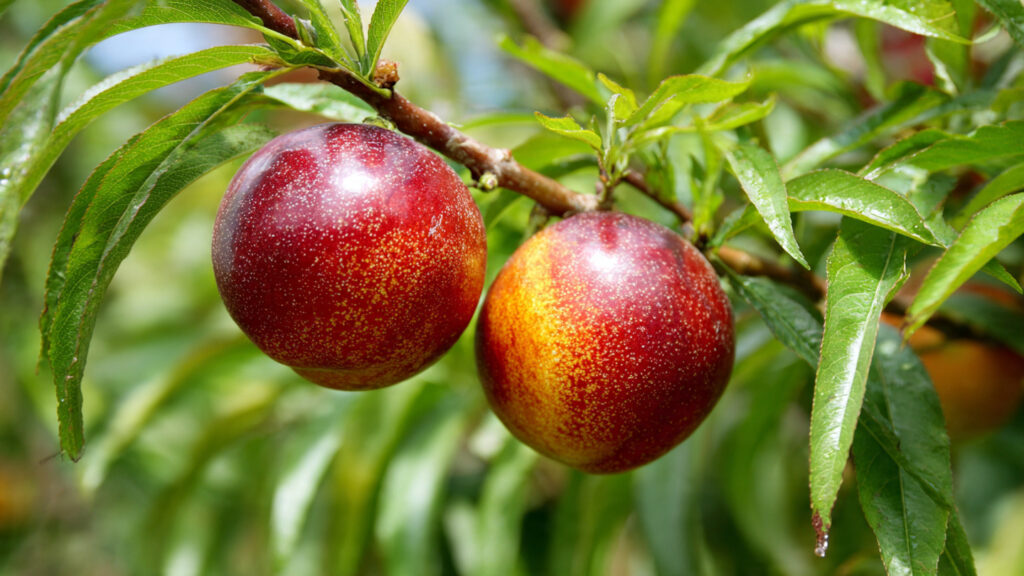
Growing fruit at home is one of the most rewarding aspects of gardening, but not everyone has the space for a traditional orchard. For urban dwellers, balcony gardeners, or anyone with limited yard space, container gardening offers a practical and efficient solution. Among the many fruit trees suitable for containers, nectarine trees (Prunus persica var. nucipersica**) stand out for their luscious, juicy fruits, fragrant blossoms, and manageable size. With the right approach, even beginners can cultivate thriving nectarines in pots and enjoy fresh, homegrown fruit.
This guide provides a step-by-step roadmap for beginners to grow nectarines successfully in containers, including tips on container selection, soil preparation, watering, fertilization, pruning, pest management, and harvest strategies. With a little care and attention, your container nectarine can flourish and produce bountiful fruit year after year.
Understanding Nectarine Trees
Nectarines are a type of stone fruit, closely related to peaches, characterized by smooth skin and a sweet, aromatic flavor. Understanding their growth habits is essential for container cultivation:
- Size: Dwarf or semi-dwarf varieties are best for containers, typically reaching 6–8 feet in height, while full-sized trees can become too large.
- Flowering and fruiting: Nectarines bloom in early spring and produce fruit in mid to late summer, depending on the variety.
- Sun requirements: They thrive in full sun, requiring at least 6–8 hours daily for optimal fruit production.
- Soil preference: Well-draining, slightly acidic to neutral soil (pH 6.0–7.0) ensures healthy roots and reduces disease risks.
By selecting the right variety and understanding its growth needs, even beginners can achieve a productive container nectarine.
Step 1: Choosing the Right Nectarine Variety
Not all nectarine varieties are suited for container growth. Beginners should focus on dwarf or semi-dwarf varieties:
- Dwarf ‘Garden Gold’ or ‘Necta Zee’: Compact trees that thrive in pots and produce large, flavorful fruits.
- ‘Bonanza’ or ‘Sunred’: Self-pollinating, requiring less maintenance and producing early harvests.
- Patio varieties: Specifically bred for container growth, usually topping out at 4–6 feet.
Choosing a variety with a compact growth habit simplifies container cultivation and reduces the need for extensive pruning or support structures.
Step 2: Selecting the Perfect Container
The container plays a crucial role in ensuring root health and overall growth:
- Size: Start with a pot at least 18–24 inches in diameter and 18–24 inches deep for young trees. As the tree grows, upgrade to a larger container to prevent root restriction.
- Material: Plastic, resin, or ceramic containers are lightweight yet durable. Avoid thin materials that dry out too quickly.
- Drainage: Ensure the container has multiple drainage holes to prevent waterlogging and root rot.
- Mobility: Consider using a container with wheels or placing it on a movable platform, making it easier to move for sunlight or protection from harsh weather.
The right container creates a healthy environment for root development, which is critical for a productive nectarine tree.
Step 3: Preparing the Soil
Proper soil is vital for container-grown nectarines:
- Potting mix: Use a high-quality, well-draining potting soil, preferably one designed for fruit trees or vegetables.
- Amendments: Add perlite, sand, or horticultural grit to improve aeration and drainage. A small amount of compost can provide nutrients without overwhelming young roots.
- pH adjustment: Slightly acidic to neutral soil is ideal. Test soil pH and adjust with garden lime or sulfur if necessary.
A nutrient-rich, well-draining medium ensures the tree grows vigorously and sets fruit successfully.
Step 4: Planting Your Nectarine Tree
Proper planting sets the stage for healthy growth:
- Planting depth: Set the tree so that the soil level aligns with the top of the root ball. Avoid burying the trunk.
- Stability: Firm soil around the base to prevent tipping, especially in windy locations.
- Watering after planting: Deeply water the newly planted tree to settle the soil and eliminate air pockets.
- Sun placement: Position the container in a location that receives full sun for the majority of the day.
Correct planting reduces transplant shock and helps the tree establish strong roots.
Step 5: Watering and Moisture Management
Container-grown nectarine trees require consistent moisture but cannot tolerate waterlogged soil:
- Watering frequency: Check the soil daily, especially during hot weather. Water when the top 2 inches feel dry.
- Deep watering: Encourage roots to grow deep by thoroughly soaking the soil each time.
- Avoid wet leaves: Water at the base to prevent fungal issues on foliage.
- Mulching: Add a thin layer of mulch to retain soil moisture and reduce evaporation.
Balanced watering supports healthy leaf, flower, and fruit development.
Step 6: Fertilization for Maximum Fruit Production
Nectarine trees are heavy feeders, particularly in containers:
➡️ How to Grow Malabar Spinach from Cuttings for Fast, Easy Greens
➡️ How to Grow Super Delicious Cabbage at Home Without a Garden
➡️ How to Grow Bean Sprouts at Home in Plastic Bottles Easily (Step‑by‑Step Guide)
➡️ Why is Your Lemon Tree Blooming in the Heart of Winter?
➡️ Why Should Your Garden Have a Dedicated Pollinator Highway?
➡️ Why Do Your Fruit Trees Need a Winter Wash to Thrive in Spring?
➡️ How Can Rice Water Transform Your Fruits into Sweeter Delights?
➡️ Jumpstart Your Winter Garden: Seed Starting Under Lights
- Balanced fertilizer: Use a fruit tree-specific fertilizer or one with N-P-K ratios such as 10-10-10 during the growing season.
- Frequency: Feed every 4–6 weeks in spring and summer. Reduce feeding in late fall to allow dormancy.
- Organic alternatives: Compost tea or diluted fish emulsion works well for slow, steady nutrient supply.
- Micronutrients: Ensure adequate calcium, magnesium, and iron to prevent blossom-end rot and leaf yellowing.
Regular feeding ensures vigorous growth, abundant flowers, and large, sweet fruits.
Step 7: Pruning and Training
Pruning maintains shape, promotes airflow, and encourages fruiting:
- Remove dead or damaged branches: Prevent disease and promote healthy growth.
- Thin crowded branches: Improves light penetration, stimulating flowering and fruit development.
- Pinching tips: Encourage branching in young trees to create a strong framework.
- Annual maintenance: Prune in late winter or early spring before bud break for optimal results.
Strategic pruning helps even beginner gardeners manage container trees while increasing yield and fruit quality.
Step 8: Pollination
Most nectarine varieties are self-pollinating, but hand pollination can improve fruit set in containers:
- Using a brush: Gently transfer pollen from flower to flower using a small paintbrush.
- Timing: Pollinate in the morning when pollen is most viable.
- Encouraging pollinators: Place the container where bees or other pollinators can access flowers, if possible.
Hand or assisted pollination ensures a higher fruit yield, particularly in indoor or balcony setups.
Step 9: Pest and Disease Management
Container-grown nectarines are not immune to pests or disease:
- Common pests: Aphids, scale insects, and spider mites may appear; treat early with insecticidal soap or neem oil.
- Fungal diseases: Powdery mildew and leaf curl can occur in humid conditions. Maintain airflow, avoid overhead watering, and remove affected leaves.
- Monitoring: Inspect trees weekly to catch problems early.
Proactive management prevents minor issues from becoming major setbacks for beginners.
Step 10: Harvesting Nectarines
Knowing when and how to harvest ensures the best flavor and texture:
- Timing: Fruit is ripe when it has full color, slightly soft to the touch, and easily separates from the branch.
- Harvesting technique: Twist gently or use pruning shears to avoid damaging the branch.
- Post-harvest: Store at room temperature for a few days to allow full flavor development or refrigerate for longer storage.
Regular harvesting encourages continued fruiting throughout the season and reduces stress on the tree.
Advantages of Growing Nectarines in Containers
Container gardening offers multiple benefits for beginner gardeners:
- Space-efficient: Perfect for balconies, patios, or small yards.
- Mobility: Easily move trees to protect them from frost or harsh sun.
- Control over soil and water: Minimizes disease and allows precise nutrient management.
- Early fruiting: Dwarf and container varieties often bear fruit sooner than full-sized trees in the ground.
- Aesthetic appeal: Flowering trees enhance the beauty of outdoor living spaces.
Container nectarine trees combine practicality with the joy of fresh, homegrown fruit.
Easy Hack for Beginners: Pre-formed Container Trees
For beginners seeking simplicity, one of the easiest ways to start is to purchase a pre-formed dwarf nectarine tree in a container:
- Ready-to-grow: These trees are already established in pots with proper soil.
- Reduced shock: Transplanting is easier, and the tree is already acclimated to container life.
- Immediate flowering potential: Many container-grown trees may produce fruit in their first year with minimal effort.
- Maintenance guidance: Most nurseries provide care instructions, making it beginner-friendly.
This “easy hack” allows even those new to fruit trees to enjoy nectarines without the steep learning curve of planting from bare-root or seed.
Final Thoughts
Growing nectarines in containers is an accessible and rewarding way for beginners to enjoy fresh fruit at home. By selecting the right dwarf variety, providing a well-draining container, maintaining proper sunlight, watering, fertilization, pruning, and pest management, anyone can cultivate a healthy, productive nectarine tree.
The combination of container convenience and thoughtful care makes homegrown nectarines a realistic goal for urban gardeners, balcony enthusiasts, and anyone seeking the satisfaction of harvesting their own juicy, aromatic fruit. With this guide and the easy hack of using a pre-formed container tree, beginners can confidently embark on their nectarine-growing journey and enjoy bountiful harvests year after year.