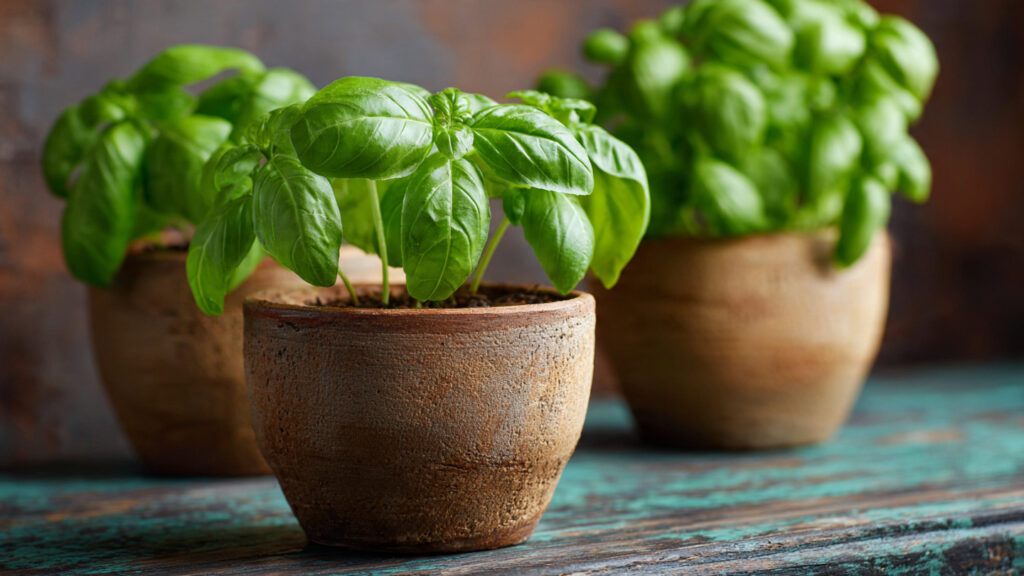
Basil, the fragrant herb that elevates any dish from pasta to pesto, is a must-have in every kitchen. But not everyone has the luxury of a large garden. The good news? Basil thrives beautifully in small pots, and with a few simple hacks, you can enjoy a constant supply of fresh leaves right at home, even on a windowsill or balcony. Whether you’re a novice gardener or someone short on space, these easy strategies will help your basil flourish.
1. Choosing the Right Pot
The first step to basil success is choosing the right container. Basil loves room to grow, so even small pots need to provide adequate space for roots. A pot with a diameter of at least 6 inches works well for one or two plants. Opt for containers with good drainage holes; basil hates “wet feet,” which can lead to root rot. Materials like terracotta are ideal because they allow air to circulate through the soil, keeping it fresh and preventing fungal growth.
Pro Tip:
Use a shallow saucer under the pot to catch excess water, but never let the plant sit in standing water. This keeps the roots healthy and encourages strong growth.
2. Selecting the Right Soil
Basil thrives in nutrient-rich, well-draining soil. A mix of potting soil with perlite or sand works wonders to improve aeration and drainage. Avoid heavy garden soil, which can compact in pots and suffocate roots. To give your basil an extra boost, mix in organic compost or a slow-release organic fertilizer.
Quick DIY Soil Mix:
- 2 parts potting soil
- 1 part compost
- 1 part perlite
This combination ensures your basil has enough nutrients while staying light and airy for optimal growth.
3. Light is Life
Basil is a sun-loving herb and needs 6-8 hours of direct sunlight daily. Place your pot near a south-facing window if indoors, or on a balcony that receives morning sunlight. If natural light is limited, a small LED grow light can supplement and keep your basil thriving. The key is consistent exposure; basil will become leggy and weak if it doesn’t get enough light.
Hack:
Rotate your pot every few days to ensure even growth and prevent one side from stretching towards the light.
4. Watering Like a Pro
Basil likes moist soil, but overwatering is a common mistake. Water your plant when the top inch of soil feels dry. Pour water gently around the base, avoiding wetting the leaves too much, which can encourage fungal diseases. In small pots, water drains quickly, so check daily during hot months.
Trick:
Use a self-watering pot or a simple water reservoir under the pot to maintain consistent moisture. This is especially handy for busy gardeners or those living in apartments.
5. Pruning for Strong Growth
Pruning isn’t just about keeping basil tidy—it actually makes the plant stronger. Once your basil reaches 6 inches in height, pinch off the top pair of leaves. This encourages branching, creating a bushier plant with more leaves. Always prune above a leaf node (where two leaves join the stem) to stimulate new growth.
Fun Tip:
Harvest leaves regularly! Frequent harvesting promotes fresh, flavorful foliage while preventing flowering, which can make the leaves bitter.
6. Fertilizing Smartly
Small pots can quickly become nutrient-depleted, so basil benefits from a little fertilizer. Use a liquid organic fertilizer every 2-3 weeks or a slow-release pellet at planting time. Avoid over-fertilizing, as too much nitrogen can make leaves lush but reduce flavor intensity.
Homemade Boost:
Feed your basil with diluted fish emulsion or compost tea once a month for strong, aromatic leaves.
7. Temperature Matters
Basil is a warm-weather herb and thrives between 70-85°F (21-29°C). Cold drafts or temperatures below 50°F (10°C) can stunt growth or even kill the plant. If you’re growing basil indoors during winter, keep it away from air conditioners or cold windows. Using a small heating mat under the pot can help maintain soil warmth in cooler months.
8. Companion Planting in Pots
Even in small pots, basil enjoys company. Pairing it with tomatoes, peppers, or oregano can improve growth and flavor. Avoid placing basil near strong-smelling herbs like mint, as they can compete for nutrients and space. Using a single pot per plant is often simplest for beginners, but small companion pots nearby can create a miniature herb garden at home.
➡️ How to Grow Malabar Spinach from Cuttings for Fast, Easy Greens
➡️ How to Grow Super Delicious Cabbage at Home Without a Garden
➡️ How to Grow Bean Sprouts at Home in Plastic Bottles Easily (Step‑by‑Step Guide)
➡️ Why is Your Lemon Tree Blooming in the Heart of Winter?
➡️ Why Should Your Garden Have a Dedicated Pollinator Highway?
➡️ Why Do Your Fruit Trees Need a Winter Wash to Thrive in Spring?
➡️ How Can Rice Water Transform Your Fruits into Sweeter Delights?
➡️ Jumpstart Your Winter Garden: Seed Starting Under Lights
9. Pest Control Without Chemicals
Basil is prone to aphids, spider mites, and whiteflies. In small pots, pests can be controlled naturally:
- Neem oil spray: Effective and safe for edible plants.
- Soap and water solution: Spray gently on leaves to remove insects.
- Introduce beneficial insects: Ladybugs love aphids.
Keeping the leaves dry and the soil healthy prevents most pest issues. Regularly inspect your basil for any signs of damage or discoloration.
10. Clever Hacks for Maximum Growth in Small Spaces
- Vertical stacking: Use shelves or hanging pots to maximize sunlight exposure.
- Use reflective surfaces: Mirrors or white walls can reflect extra light onto indoor basil.
- Hydroponic twist: Grow basil in water with a small dose of liquid fertilizer for faster growth in tiny spaces.
- Pot rotation: Move pots around to chase sunlight throughout the day.
These tricks allow you to grow more basil in less space while keeping plants healthy and happy.
11. Harvesting and Storing Basil
Harvesting is simple but should be done correctly:
- Pick leaves in the morning when oils are most concentrated.
- Avoid stripping more than one-third of the plant at a time to keep it thriving.
- Fresh leaves can be used immediately, stored in the fridge wrapped in a damp paper towel, or frozen in ice cube trays with a bit of water or olive oil.
Bonus Tip:
You can also dry basil by hanging small bunches upside down in a warm, dry spot for homemade dried herbs.
12. Common Mistakes to Avoid
Even with small pots, beginners often make the same errors:
- Overwatering or underwatering.
- Ignoring sunlight requirements.
- Letting the plant flower too early.
- Using heavy, compacted soil.
With the hacks above, these mistakes are easy to avoid, leading to a lush, aromatic basil plant year-round.
Conclusion
Growing basil in small pots is not only possible—it’s fun and rewarding. With the right soil, sunlight, watering, pruning, and a few clever hacks, anyone can cultivate healthy, fragrant basil even in the smallest of spaces. Imagine stepping out to your balcony or kitchen windowsill and snipping fresh basil leaves for your favorite dishes anytime you like.
By following these simple strategies, you’ll not only enjoy delicious meals but also bring a touch of green into your home, improving air quality and boosting your mood. Small pots, big flavor, and happy basil—what’s not to love?