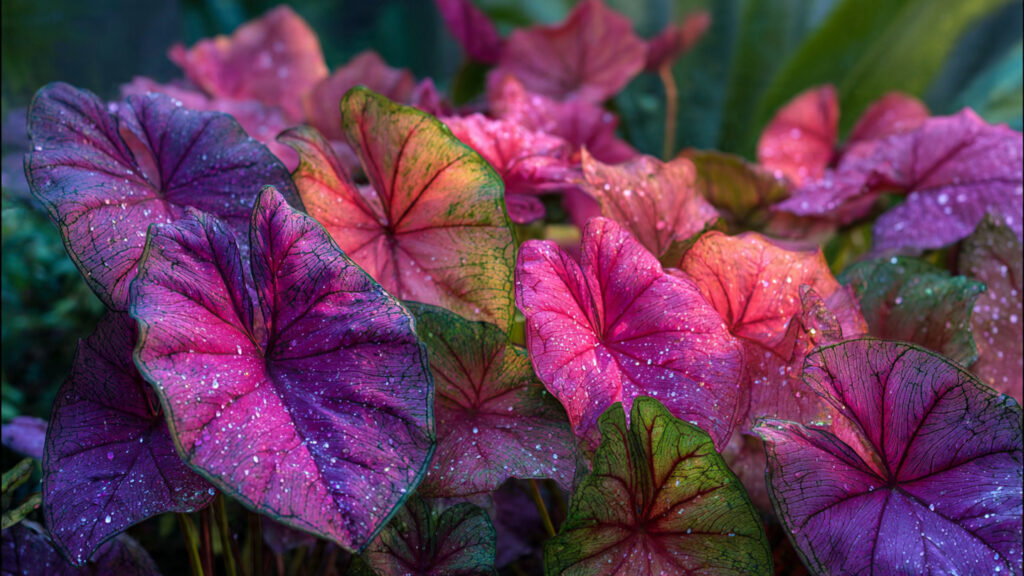
Caladiums (Caladium bicolor) are among the most striking ornamental plants for outdoor gardens, prized for their heart-shaped leaves and vibrant color patterns. Often referred to as “elephant ear” plants due to the shape of their foliage, caladiums offer a kaleidoscope of red, pink, white, and green hues, transforming any garden into a lively and tropical paradise. While many gardeners admire them as container or indoor plants, growing caladiums in color blocks outdoors creates a visually stunning display that is both dramatic and easy to maintain.
This article provides a comprehensive, step-by-step guide for beginners and seasoned gardeners alike to create bold, colorful caladium blocks that stand out in any outdoor garden. From selecting tubers and preparing soil to planting strategies and care techniques, you’ll learn how to achieve a professional-looking display that bursts with vibrant color all season long.
Why Grow Caladium Color Blocks?
Using caladiums in blocks — planting multiple tubers of the same variety together — creates a uniform splash of color. There are several benefits:
- High Visual Impact: Blocks of the same color provide strong focal points in gardens.
- Simplified Maintenance: Grouping plants with similar water, sunlight, and nutrient needs makes care easier.
- Seasonal Flexibility: Caladiums bloom and display their colors throughout the warm season.
- Creative Design: Color blocks can complement other perennials, create borders, or define pathways.
By planning your caladium layout carefully, you can achieve a lush, vibrant outdoor display with minimal effort.
Step 1: Choose the Right Caladium Varieties
Caladiums come in several types: Fancy Leaf, Strap Leaf, and Smaller Varieties. For color blocks:
- Fancy Leaf: Broad leaves with striking patterns ideal for large blocks.
- Strap Leaf: Narrow, elegant foliage works well as edging or filler.
- Color Selection: Choose a single color per block or complementary hues for maximum visual appeal.
- Healthy Tubers: Look for firm, plump tubers free from rot or damage. Avoid shriveled or soft tubers.
Selecting the right variety ensures uniform growth and a cohesive color block.
Step 2: Select an Ideal Outdoor Location
Caladiums thrive in warm, humid conditions with indirect sunlight. Consider the following:
- Light Requirements: Morning sun or filtered light is ideal. Avoid harsh midday sun, which can scorch leaves.
- Soil Drainage: Well-draining soil prevents tuber rot and supports healthy root development.
- Protection from Wind: Leaves are delicate and may tear in strong winds. Plant in sheltered areas.
- Spacing: Leave 6–12 inches between tubers depending on variety to allow full expansion.
A carefully chosen location promotes vibrant, uniform foliage across your color block.
Step 3: Prepare the Soil
Healthy soil is the foundation for a lush caladium display:
- Loosen Soil: Use a spade or garden fork to aerate the top 6–8 inches of soil.
- Add Organic Matter: Mix compost, peat moss, or well-rotted manure to improve fertility and water retention.
- Adjust pH: Caladiums prefer slightly acidic to neutral soil (pH 5.5–7.0).
- Ensure Drainage: If soil is heavy clay, incorporate sand or perlite to prevent waterlogging.
Proper soil preparation ensures robust growth and strong leaf coloration.
Step 4: Planting Caladium Tubers
Planting technique is crucial for achieving a successful color block display:
- Depth: Plant tubers 1–2 inches deep with the “eye” or sprouting end facing upward.
- Spacing: Maintain consistent spacing (6–12 inches) depending on variety and desired density.
- Arrangement: For a neat block effect, plant in straight rows or geometric patterns.
- Initial Watering: Water thoroughly after planting to settle soil around the tubers.
Planting carefully creates uniformity and ensures all tubers receive equal sunlight and nutrients.
Step 5: Watering and Moisture Management
Caladiums require consistent moisture but cannot tolerate soggy soil:
- Initial Stage: Keep soil evenly moist after planting to encourage sprouting.
- Established Plants: Water 2–3 times per week during hot, dry periods.
- Mulching: Apply a 2–3 inch layer of organic mulch to retain soil moisture, regulate temperature, and suppress weeds.
- Avoid Overwatering: Excess moisture can lead to tuber rot and fungal infections.
Proper watering ensures lush, vibrant leaves and continuous growth throughout the season.
Step 6: Fertilization for Vibrant Color
Caladiums benefit from regular feeding to support leaf expansion and intense color:
➡️ How to Grow Malabar Spinach from Cuttings for Fast, Easy Greens
➡️ How to Grow Super Delicious Cabbage at Home Without a Garden
➡️ How to Grow Bean Sprouts at Home in Plastic Bottles Easily (Step‑by‑Step Guide)
➡️ Why is Your Lemon Tree Blooming in the Heart of Winter?
➡️ Why Should Your Garden Have a Dedicated Pollinator Highway?
➡️ Why Do Your Fruit Trees Need a Winter Wash to Thrive in Spring?
➡️ How Can Rice Water Transform Your Fruits into Sweeter Delights?
➡️ Jumpstart Your Winter Garden: Seed Starting Under Lights
- Balanced Fertilizer: Use a slow-release fertilizer (10-10-10 or 14-14-14) at planting.
- Liquid Fertilizer: Supplement every 4–6 weeks with a water-soluble fertilizer for ongoing growth.
- Micronutrients: Ensure potassium and magnesium are present to enhance leaf coloration.
- Avoid Excess Nitrogen: Over-fertilizing with nitrogen promotes leafy growth but can dull leaf patterns.
Proper nutrition maximizes the bold, dramatic colors that make caladium blocks visually striking.
Step 7: Sunlight Management
Caladium leaves are sensitive to light intensity:
- Morning Sun: Provides sufficient light for growth without burning leaves.
- Afternoon Shade: Protects leaves from intense sun, preventing fading and scorch marks.
- Filtered Light: Use taller companion plants or shade cloth to maintain bright, indirect sunlight for optimal foliage coloration.
Balanced light exposure ensures vibrant leaf colors and healthy, bushy growth.
Step 8: Mulching for Healthy Color Blocks
Mulch not only conserves moisture but also supports a neat, well-maintained display:
- Apply organic mulch around each tuber block.
- Keep mulch slightly away from the base of shoots to prevent rot.
- Mulching regulates soil temperature and reduces competition from weeds.
A mulched bed enhances the visual appeal of your color blocks while promoting healthy growth.
Step 9: Pest and Disease Management
While caladiums are generally hardy, proper care prevents common problems:
Common Pests:
- Aphids
- Spider mites
- Mealybugs
Common Diseases:
- Leaf blight
- Tubers rot from poor drainage
Prevention Tips:
- Inspect plants regularly.
- Maintain adequate spacing and airflow.
- Remove affected leaves promptly.
- Use neem oil or mild insecticidal solutions for pest control.
Healthy plants produce larger leaves, brighter colors, and a denser block effect.
Step 10: Creating Dense, Vibrant Blocks
The secret to a show-stopping color block is dense planting and consistent care:
- Close Spacing: Slightly tighter spacing creates a fuller visual effect, but avoid overcrowding.
- Uniform Maintenance: Water, fertilize, and prune consistently across the block to maintain even growth.
- Dead Leaf Removal: Regularly trim yellow or damaged leaves to keep the display vibrant.
- Pinching Tips (Optional): For certain varieties, pinch the growing tips to encourage lateral shoots and a bushier effect.
Consistency in care ensures that each plant contributes to a cohesive, eye-catching display.
Step 11: Seasonal Care
Caladiums are tropical plants and respond to seasonal changes:
- Spring/Summer: Main growing season; maintain moisture, fertilization, and sun protection.
- Autumn: Gradually reduce watering as leaves begin to yellow.
- Winter: In colder climates, tubers should be dug up, stored in a cool, dry place, and replanted the following spring.
Seasonal adjustments help maintain vibrant displays year after year.
Step 12: Companion Planting and Garden Design
Caladium color blocks can be enhanced by thoughtful garden design:
- Borders: Use caladiums to create striking edges along pathways or flower beds.
- Mixed Beds: Pair with green foliage plants or low-growing flowers to highlight caladium colors.
- Containers: Plant blocks in large containers or raised beds for portable, high-impact displays.
- Patterns: Combine different color blocks for a mosaic effect or geometric garden design.
Strategic placement maximizes the aesthetic impact of your caladium display.
Step 13: Propagation for Expansion
Once you’ve mastered a successful color block, you can propagate new plants:
- Tubers Division: At the end of the season, divide mature tubers and store or replant.
- Consistency in Color: Using the same variety ensures uniformity across new blocks.
- Incremental Expansion: Add new blocks gradually to extend your vibrant display throughout the garden.
Propagation ensures a sustainable supply of caladiums for future garden designs.
Step 14: Troubleshooting Common Problems
Fading Leaf Colors
- Cause: Excessive sun, nutrient deficiency, or water stress
- Solution: Adjust light exposure, feed with balanced fertilizer, maintain consistent moisture
Sparse Blocks
- Cause: Overly spaced tubers or uneven growth
- Solution: Plant closer or pinch tips for denser growth
Pest Infestation
- Cause: Aphids or spider mites
- Solution: Spray neem oil, maintain airflow, remove affected leaves
Step 15: The Rewards of Caladium Color Blocks
Creating color blocks with caladiums offers multiple benefits:
- High Visual Impact: Large swaths of vibrant color brighten any outdoor space.
- Easy Maintenance: Grouped plants simplify watering and fertilization.
- Seasonal Appeal: Tropical foliage provides a lush, exotic garden atmosphere.
- Wildlife Friendly: Attracts butterflies and pollinators.
- Creative Expression: Customize colors, shapes, and patterns to suit your garden design.
Caladium color blocks transform ordinary garden beds into extraordinary visual displays.
Final Thoughts
Growing caladiums in color blocks is a simple, rewarding way to achieve a bold, tropical outdoor garden display. By selecting healthy tubers, preparing well-draining soil, planting strategically, and providing consistent care, gardeners can enjoy lush, vibrant foliage all season long.
Key steps to success:
- Choose suitable caladium varieties with bold colors.
- Prepare sunny, well-drained garden beds.
- Plant tubers at consistent spacing for a uniform block effect.
- Maintain proper watering, fertilization, and light exposure.
- Pinch or trim selectively to encourage bushy, dense growth.
- Remove dead leaves and monitor for pests or disease.
- Propagate and expand blocks for long-term garden impact.
By following this guide, even beginner gardeners can create stunning caladium color blocks that draw attention, enhance garden aesthetics, and provide tropical vibrancy throughout the growing season. With a little planning and care, your outdoor garden will become a striking tapestry of color that delights the eyes and attracts pollinators alike.