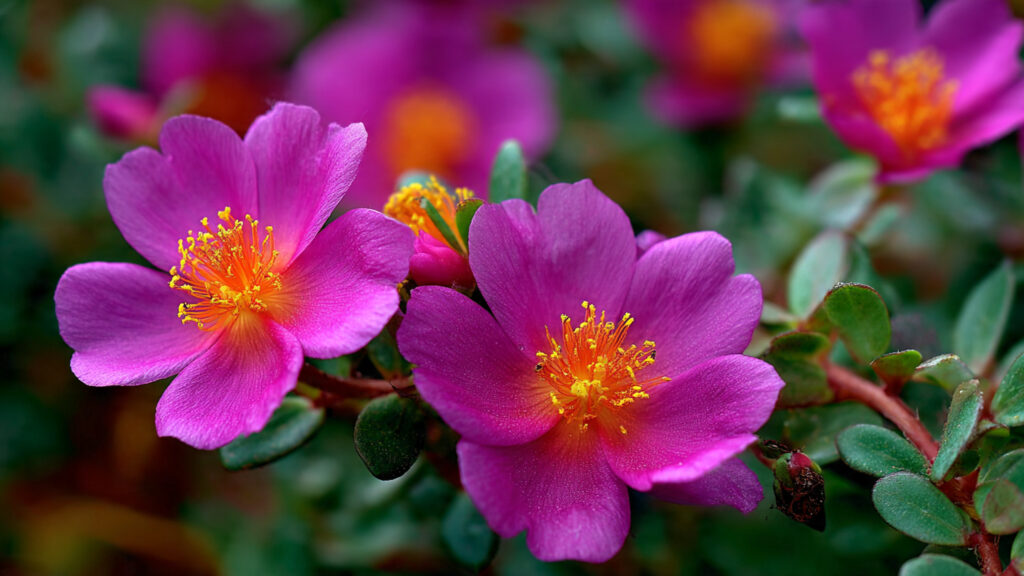
The holiday cactus (Schlumbergera spp.), with its vibrant blooms and easygoing nature, is a favorite among gardeners looking to add color during the cooler months. Known for its bright red, pink, white, or purple flowers that appear around Thanksgiving or Christmas, the holiday cactus is not only festive but also surprisingly adaptable. While many people grow it indoors, these cacti can thrive outdoors with the right care, even for gardeners seeking low-maintenance solutions. This guide will explore an easy method to grow holiday cactus outdoors with minimal effort, ensuring lush foliage, abundant blooms, and a hardy, long-lasting plant.
Understanding the Holiday Cactus
Before planting outdoors, it’s important to understand the unique characteristics of holiday cacti:
- Botanical classification: Holiday cacti belong to the genus Schlumbergera, including species such as S. truncata (Thanksgiving cactus) and S. bridgesii (Christmas cactus).
- Growth habit: Unlike desert cacti, holiday cacti are tropical epiphytes that naturally grow in shaded forest environments on tree trunks or rocks. They have flattened, segmented stems and a trailing or cascading habit.
- Blooming pattern: Flowering occurs in response to shorter daylight periods and cooler night temperatures, typically in late fall or early winter.
Understanding these traits is essential for creating an outdoor environment that supports healthy growth and flowering.
Selecting the Right Outdoor Location
Holiday cactus thrives outdoors in conditions that mimic its natural tropical habitat:
- Light: Choose a partially shaded spot, such as under trees, pergolas, or on the north side of a building. Avoid direct, harsh sunlight, which can scorch the segments.
- Temperature: These cacti prefer 55–75°F. They are not frost-tolerant, so in areas with cold winters, provide protection or temporary coverings.
- Air circulation: Good airflow prevents fungal diseases while reducing humidity-related issues.
Choosing a suitable outdoor location minimizes stress and helps the cactus thrive with minimal intervention.
Choosing the Right Container
Growing holiday cactus in a container outdoors is an easy and flexible approach:
- Size: Use a pot at least 6–8 inches deep to accommodate roots, though larger pots encourage more extensive growth.
- Material: Terracotta pots are ideal because they are porous and allow airflow to the roots. Plastic pots work as well but may retain more moisture.
- Drainage: Ensure multiple drainage holes. Proper drainage prevents root rot, one of the most common issues with holiday cactus.
Container gardening also allows mobility, so the plant can be moved indoors during frost or extreme weather.
Preparing the Potting Mix
A light, well-draining soil is critical for outdoor holiday cactus:
- Soil composition: Mix 2 parts potting soil, 1 part perlite or coarse sand, and 1 part orchid bark or leaf mold. This mimics the natural epiphytic environment.
- pH preference: Holiday cactus prefers slightly acidic soil (pH 5.5–6.5).
- Fertilization: Incorporate slow-release, balanced organic fertilizer or compost to support healthy growth.
The right soil ensures roots have access to moisture and nutrients while avoiding waterlogging.
Planting Your Holiday Cactus Outdoors
Whether transplanting an indoor plant or starting from cuttings, follow these steps:
- Transplanting: Gently remove the plant from its indoor pot, loosening roots carefully.
- Placement: Position in a partially shaded spot with filtered light.
- Planting depth: Plant at the same depth as it was in its previous container to avoid stress.
- Spacing: If planting multiple holiday cacti, maintain 12–18 inches between plants to allow airflow.
- Watering: Water lightly immediately after planting to settle the soil around the roots.
Following these steps ensures a smooth transition to outdoor conditions with minimal shock.
Watering Made Simple
Holiday cactus requires consistent but moderate watering:
- Frequency: Water when the top inch of soil feels dry. Overwatering is the most common cause of root problems.
- Technique: Water at the base rather than from above to avoid wetting the foliage, which can cause rot or fungal issues.
- Rain management: If outdoor rainfall is heavy, ensure the pot drains well or temporarily move the plant under cover.
Maintaining consistent moisture without waterlogging is key to minimal-effort care.
Fertilizing with Minimal Effort
Holiday cactus is not demanding but benefits from periodic feeding:
- Type: Use a balanced, low-nitrogen fertilizer or organic liquid fertilizer every 4–6 weeks during the growing season (spring through summer).
- Flowering boost: Switch to a phosphorus-rich fertilizer in late summer to encourage abundant blooms.
- Slow-release options: Incorporating slow-release pellets into the potting mix reduces the need for frequent feeding.
By using slow-release fertilizers, you minimize maintenance while supporting healthy growth and flowering.
➡️ How to Grow Malabar Spinach from Cuttings for Fast, Easy Greens
➡️ How to Grow Super Delicious Cabbage at Home Without a Garden
➡️ How to Grow Bean Sprouts at Home in Plastic Bottles Easily (Step‑by‑Step Guide)
➡️ Why is Your Lemon Tree Blooming in the Heart of Winter?
➡️ Why Should Your Garden Have a Dedicated Pollinator Highway?
➡️ Why Do Your Fruit Trees Need a Winter Wash to Thrive in Spring?
➡️ How Can Rice Water Transform Your Fruits into Sweeter Delights?
➡️ Jumpstart Your Winter Garden: Seed Starting Under Lights
Protecting from Pests and Disease
Holiday cactus is generally pest-resistant, but outdoor plants may encounter occasional problems:
- Pests: Watch for mealybugs, spider mites, or scale insects. Remove pests manually or use organic sprays like neem oil.
- Fungal disease: Avoid overhead watering and ensure good drainage to prevent fungal infections such as root rot or stem rot.
- Observation: Check plants weekly for signs of stress or pests to address issues early.
Regular inspection reduces problems without the need for intensive care.
Encouraging Abundant Blooms Outdoors
The key to flowering is replicating the natural conditions that trigger blooms:
- Light exposure: Moderate, indirect sunlight encourages strong stems and vibrant flowers.
- Temperature cues: Shorter daylight hours and slightly cooler nights in fall stimulate flower bud formation.
- Watering adjustments: Slightly reduce watering in late summer to early fall to promote bloom development.
- Pinching tips: Pinch the ends of segments lightly during summer to encourage branching and more flower sites.
By understanding these natural triggers, your holiday cactus will bloom profusely with minimal effort.
Seasonal Outdoor Care
Holiday cactus requires seasonal adjustments for optimal growth:
- Spring/Summer: Focus on moderate watering, fertilization, and pruning for shape.
- Fall: Reduce watering slightly and ensure the plant experiences cooler nights to stimulate buds.
- Winter: Protect from frost; move potted plants indoors if necessary. Flowering generally occurs indoors or in protected outdoor spots during the colder months.
Seasonal care aligns with the plant’s natural growth cycle, making maintenance easy and predictable.
Propagating Holiday Cactus Outdoors
Propagation is easy and allows you to expand your garden with minimal effort:
- Stem cuttings: Take a 2–3 segment cutting from a healthy plant. Allow it to callus for 1–2 days before planting in well-draining soil.
- Rooting: Water lightly and place in partial shade. Roots develop in 2–4 weeks.
- Transplanting: Once rooted, the new plant can be grown in the same outdoor conditions as the parent.
Propagation ensures you can multiply plants without relying on nursery purchases.
Advantages of Growing Holiday Cactus Outdoors
Outdoor cultivation offers several benefits:
- Better bloom production: Increased light and airflow outdoors support strong stems and more flowers.
- Natural environment: Replicates the plant’s native epiphytic habitat, reducing indoor stress.
- Ease of care: Outdoor conditions reduce the need for daily attention, with natural airflow and seasonal temperature cues aiding growth.
- Aesthetic value: Cascading stems and bright flowers enhance patios, decks, and garden beds.
Growing holiday cactus outdoors combines minimal effort with maximum visual and floral reward.
Troubleshooting Common Issues
Even minimal-effort gardeners may encounter occasional problems:
- Yellowing segments: May indicate overwatering or poor drainage. Adjust watering and check pot drainage.
- Weak growth: Insufficient light or nutrients; move plant to a brighter spot or supplement with fertilizer.
- No blooms: Often due to lack of temperature variation or too much nitrogen; reduce water slightly and switch to phosphorus-rich fertilizer.
By identifying problems early, gardeners can make small adjustments without intensive labor.
Conclusion
Growing holiday cactus outdoors can be simple, low-maintenance, and rewarding. By selecting the right location, providing well-draining soil, maintaining moderate watering, and understanding the seasonal cues for flowering, gardeners can enjoy lush, trailing stems and vibrant blooms with minimal effort. Potted or in-ground, the holiday cactus adds festive color, texture, and charm to outdoor spaces while thriving with little intervention.
Whether you are a beginner gardener or someone looking for an attractive, low-effort plant to enhance your landscape, the holiday cactus offers easy cultivation, abundant flowers, and year-round enjoyment. By following these strategies, your outdoor holiday cactus will flourish, becoming a standout feature in your garden and a reliable source of festive beauty season after season.