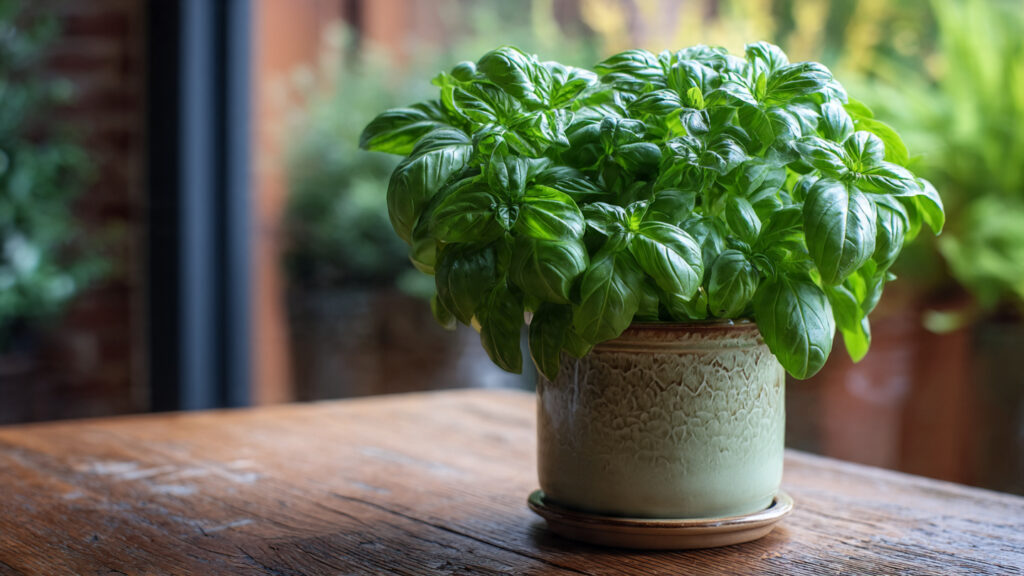
Few herbs are as beloved in home kitchens as Ocimum basilicum. With its fragrant leaves, vibrant green color, and culinary versatility, basil is indispensable for sauces, salads, garnishes, and even herbal teas. But while many people grow basil at home, few achieve the lush, bushy plants seen in garden centers. Often, homegrown basil ends up leggy, sparse, or underperforming.
The key to a thriving basil plant is understanding how it grows and creating the ideal environment for healthy, vigorous foliage. With a few simple techniques, you can cultivate a dense, aromatic basil plant at home that continues producing fresh leaves all season long. This guide will walk you through the essential steps, from choosing the right variety to harvesting without harming plant growth.
Understanding Basil Growth
Basil is an annual herb, which means it completes its life cycle in one growing season. However, its growth habits can be manipulated to maximize leaf production and encourage a bushy structure:
- Stem branching: Basil naturally grows upright. Pinching or trimming encourages side shoots, resulting in a fuller plant.
- Light requirement: Basil is a sun-loving herb that needs bright light for vigorous growth.
- Nutrient needs: Regular feeding and well-draining soil support healthy leaves and prevent leggy growth.
By understanding these growth tendencies, you can apply methods that naturally enhance bushiness and leaf yield.
Selecting the Right Basil Variety
Different basil varieties have unique growth patterns and flavors. Choosing the right variety sets the stage for lush, dense plants:
- Genovese basil: Classic Italian basil, ideal for pesto, grows tall and vigorous with large leaves.
- Sweet basil: Aromatic and versatile, with moderate branching.
- Lettuce leaf basil: Produces large, tender leaves, suitable for salads.
- Thai basil: Compact and slightly spicy, perfect for stir-fries.
- Compact or dwarf varieties: Designed for container growth and dense habit.
For home gardens, compact or dwarf varieties often produce bushier plants more easily, especially in pots.
Step 1: Choose the Right Container and Soil
Basil thrives both in garden beds and containers, but container gardening allows more control over soil quality and drainage. For home growth:
- Container size: Choose a pot at least 6–8 inches deep with drainage holes. Larger pots allow roots to spread, promoting overall plant health.
- Soil: Use light, well-draining soil enriched with compost. Basil prefers slightly acidic to neutral soil (pH 6.0–7.0).
- Avoid heavy clay: Poor drainage can lead to root rot and stunted growth.
Proper soil and container selection provides the foundation for strong, healthy basil.
Step 2: Planting and Spacing
Whether starting from seeds or transplants, spacing and positioning are crucial:
- Seeds: Sow seeds ¼ inch deep in moist soil. Keep soil consistently moist until germination, usually 5–10 days.
- Transplants: Plant seedlings slightly deeper than they were in the original container. Firm the soil gently around the base.
- Spacing: If planting multiple plants in a garden bed, leave 10–12 inches between each to allow airflow and reduce disease risk.
Adequate spacing ensures sunlight reaches all leaves, promoting bushy growth.
Step 3: Provide Adequate Sunlight
Basil thrives in full sun. To achieve a lush, dense plant:
- Light requirement: At least 6–8 hours of direct sunlight daily.
- Indoor growth: Place plants on south- or west-facing windows. If sunlight is limited, supplement with grow lights for 12–14 hours per day.
- Rotation: Rotate pots weekly to ensure even growth on all sides.
Consistent bright light strengthens stems, encourages branching, and prevents legginess.
Step 4: Watering and Moisture Management
Proper watering is key to vigorous basil:
- Consistent moisture: Keep soil evenly moist but not waterlogged.
- Avoid wet foliage: Water at the base to reduce fungal issues.
- Container tips: Containers dry out faster; check soil daily during hot weather.
Healthy basil with strong roots grows fuller and produces more leaves.
Step 5: Fertilization for Healthy Growth
Basil responds well to regular feeding. For bushy, lush plants:
➡️ How to Grow Malabar Spinach from Cuttings for Fast, Easy Greens
➡️ How to Grow Super Delicious Cabbage at Home Without a Garden
➡️ How to Grow Bean Sprouts at Home in Plastic Bottles Easily (Step‑by‑Step Guide)
➡️ Why is Your Lemon Tree Blooming in the Heart of Winter?
➡️ Why Should Your Garden Have a Dedicated Pollinator Highway?
➡️ Why Do Your Fruit Trees Need a Winter Wash to Thrive in Spring?
➡️ How Can Rice Water Transform Your Fruits into Sweeter Delights?
➡️ Jumpstart Your Winter Garden: Seed Starting Under Lights
- Balanced fertilizer: Use a balanced liquid fertilizer every 2–3 weeks.
- Organic options: Compost tea or fish emulsion also works well.
- Avoid over-fertilizing: Excess nitrogen can lead to lush leaves but weak stems prone to flopping.
Nourished plants branch naturally, resulting in dense foliage.
Step 6: Pinching and Pruning
Pinching is the most effective technique to create bushy basil:
- Pinch early: When seedlings reach 4–6 inches, pinch off the top set of leaves above a leaf node.
- Regular pruning: Trim flowering buds as they appear to direct energy toward leaf growth.
- Harvest strategically: Always harvest leaves from the top and sides, never from the base alone.
These practices encourage lateral growth, creating a fuller, more compact plant.
Step 7: Supporting Stems
Tall basil varieties may become top-heavy, especially when bushy:
- Stakes or small cages: Support taller plants to prevent bending or breaking.
- Container tips: Large pots reduce tipping risk.
Strong, supported stems allow plants to grow outward rather than collapsing under their own weight.
Step 8: Controlling Flowering
Flowering signals the plant is shifting energy from leaf production to seed formation. To maintain bushiness:
- Remove flower buds promptly.
- Focus harvesting on the newest, tender leaves.
- Pinch regularly to keep the plant in vegetative growth.
By controlling flowering, you maximize leaf production and maintain a lush appearance.
Step 9: Pest and Disease Management
Healthy plants resist pests and diseases more effectively. Common issues with basil include:
- Aphids: Remove with water spray or insecticidal soap.
- Fungal issues: Occur in humid conditions—ensure airflow and avoid overhead watering.
- Slugs or caterpillars: Inspect leaves regularly and handpick if necessary.
Maintaining vigorous growth, proper spacing, and clean soil minimizes most problems.
Step 10: Harvesting Tips
Harvesting correctly encourages continuous growth:
- Start harvesting once plants are at least 6–8 inches tall.
- Pick leaves from the top to promote branching.
- Never remove more than one-third of the plant at a time.
- Harvest in the morning when oils are most concentrated.
Regular harvesting also prevents legginess, keeping the plant compact and bushy.
Companion Planting for Growth Boost
Basil grows well alongside other plants that improve airflow and repel pests:
- Tomatoes: Benefit from pest-repelling properties of basil.
- Peppers: Share similar sun and water requirements.
- Marigolds: Protect basil from harmful insects.
Companion planting creates a healthier environment for vigorous growth.
Indoor vs Outdoor Considerations
- Indoor growth: Ensure at least 12 hours of light daily, maintain consistent moisture, and rotate for even light exposure.
- Outdoor growth: Provide full sun, mulch to retain moisture, and protect from strong winds.
Both environments can produce lush, bushy basil if the plant receives proper care and attention.
Long-Term Maintenance
To keep basil productive throughout the season:
- Pinch and harvest regularly.
- Fertilize every 2–3 weeks.
- Monitor for pests and disease.
- Re-pot container plants when roots outgrow the pot.
With consistent care, basil can continue producing vibrant leaves for months, keeping your kitchen stocked.
Benefits of Growing Lush, Bushy Basil
A well-maintained, bushy basil plant offers:
- High yield: More leaves per plant for cooking.
- Aromatic foliage: Fresh herbs release fragrance when harvested.
- Ornamental appeal: Dense foliage creates a visually pleasing plant.
- Culinary versatility: Perfect for sauces, salads, pesto, and garnishes.
- Health benefits: Contains antioxidants, vitamins, and essential oils.
By investing a little time in proper care, you enjoy both functional and aesthetic rewards.
Final Thoughts
Growing a lush, bushy basil plant at home is easier than many gardeners realize. The keys are selecting the right variety, providing optimal sunlight, water, and nutrients, and encouraging branching through regular pinching and pruning.
By following these simple, proven techniques, you can transform a single basil plant into a dense, aromatic, and productive herb that will elevate your cooking and beautify your home garden. With minimal effort and consistent care, your basil can thrive all season long, offering fresh, flavorful leaves whenever you need them.
Whether grown in containers on a sunny windowsill or in a backyard herb bed, these methods make achieving lush, bushy basil at home an effortless and rewarding experience.