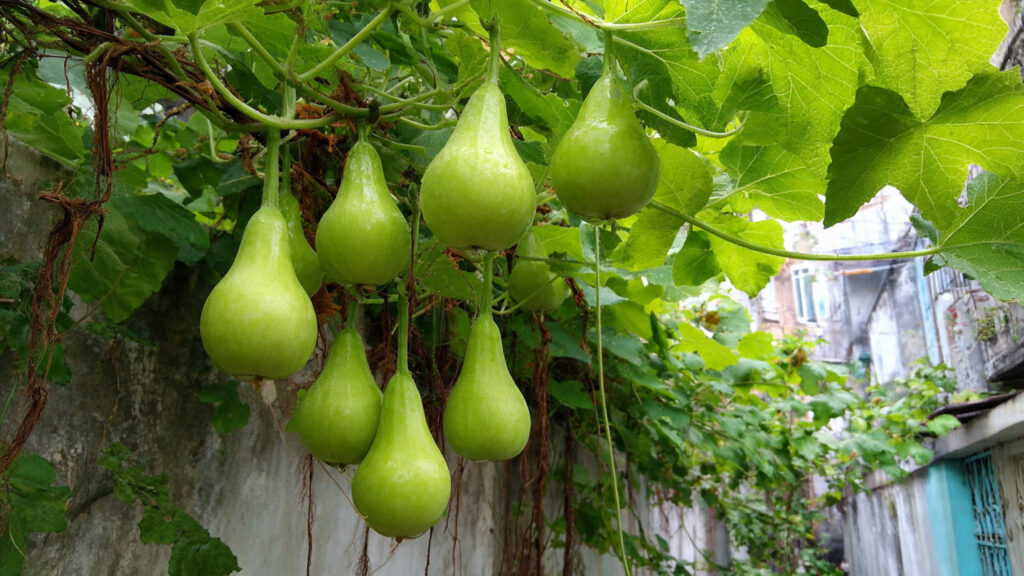
Bottle gourd (Lagenaria siceraria), also known as calabash or lauki, is a versatile and nutritious vegetable widely grown in home gardens across the world. While traditional bottle gourd varieties often produce long, sprawling vines that require significant space, compact varieties are changing the game for home gardeners. These varieties allow you to grow bottle gourd in limited spaces, such as small backyards, terraces, patios, or even large containers.
With the right techniques, you can cultivate a productive compact bottle gourd garden at home, enjoying fresh, tender gourds for your kitchen without the need for a full-scale farm. This guide provides step-by-step methods to successfully grow compact bottle gourd, ensuring high yields, healthy plants, and flavorful fruits.
Understanding Compact Bottle Gourd Varieties
Compact bottle gourd varieties have been specifically bred for home gardening and small spaces. Unlike traditional types that spread across 15–20 feet, compact varieties grow more upright and require minimal support, making them easier to manage.
Benefits of compact varieties:
- Limited vine spread reduces space requirements.
- Ideal for containers, trellises, or small garden beds.
- Faster growth cycles with earlier fruiting.
- High yield per square foot.
Popular compact varieties include “Mini Bottle Gourd,” “Tinda-like Bottle Gourd,” and “Patio Bottle Gourd,” which produce smaller but tender fruits suitable for daily consumption.
Step 1: Selecting the Right Location
Even compact bottle gourd plants require good sunlight and space for optimal growth.
Sunlight Requirements:
- Full sun for 6–8 hours daily.
- Morning sun with light afternoon shade works in extremely hot regions to prevent leaf scorch.
Space Considerations:
- Use vertical growing methods such as trellises to maximize yield in limited spaces.
- For container cultivation, ensure at least 12–18 inches between plants.
Soil Requirements:
- Well-draining, loamy soil enriched with organic matter.
- Slightly acidic to neutral pH (6.0–7.0).
- Avoid waterlogged areas, which can cause root rot and fungal infections.
Step 2: Preparing the Soil
Proper soil preparation is crucial for healthy root development and high yields.
Steps for soil preparation:
- Loosen the soil to 12–15 inches depth to facilitate root expansion.
- Incorporate compost or well-rotted manure to enhance fertility.
- Mix in sand or perlite if the soil is clay-heavy for better drainage.
- Optional: Add a slow-release organic fertilizer to support early growth.
For container cultivation, use a high-quality potting mix with equal parts compost and garden soil, ensuring adequate drainage through bottom holes.
Step 3: Sowing Seeds
Compact bottle gourd can be grown from seeds, which is the most practical method for home gardeners.
Sowing Techniques:
- Soak seeds in water for 8–12 hours to improve germination.
- Sow 1–2 seeds per planting hole, 1 inch deep.
- Space holes 12–18 inches apart for optimal growth.
Germination Tips:
➡️ How to Grow Malabar Spinach from Cuttings for Fast, Easy Greens
➡️ How to Grow Super Delicious Cabbage at Home Without a Garden
➡️ How to Grow Bean Sprouts at Home in Plastic Bottles Easily (Step‑by‑Step Guide)
➡️ Why is Your Lemon Tree Blooming in the Heart of Winter?
➡️ Why Should Your Garden Have a Dedicated Pollinator Highway?
➡️ Why Do Your Fruit Trees Need a Winter Wash to Thrive in Spring?
➡️ How Can Rice Water Transform Your Fruits into Sweeter Delights?
➡️ Jumpstart Your Winter Garden: Seed Starting Under Lights
- Maintain soil temperature between 25–30°C (77–86°F) for fast germination.
- Keep the soil consistently moist but not waterlogged.
- Seeds typically sprout in 7–10 days.
Thin seedlings to one healthy plant per hole after emergence to prevent overcrowding.
Step 4: Watering Practices
Bottle gourd thrives in consistently moist soil. Proper watering improves fruit quality and prevents stress.
Watering Guidelines:
- Water deeply 2–3 times per week, adjusting frequency based on weather and soil type.
- Ensure soil is moist 2–3 inches below the surface.
- Mulch with straw, shredded leaves, or organic material to retain moisture and regulate temperature.
Avoid wetting the foliage directly to reduce the risk of fungal diseases. Drip irrigation or watering at the base of the plant works best.
Step 5: Supporting the Vines
Even compact varieties benefit from support, which promotes upright growth, improves airflow, and simplifies harvesting.
Trellising Methods:
- Vertical trellises or bamboo stakes work well for small spaces.
- Netting can provide additional climbing support.
- Train the main vine upward and tie loosely with soft twine to prevent damage.
Proper support prevents sprawling, reduces pest attacks, and ensures uniform exposure to sunlight for better fruit production.
Step 6: Fertilizing for Continuous Growth
Nutrient management is key to maximizing yield and fruit size.
Fertilization Strategy:
- Pre-planting: Incorporate compost or organic fertilizer to improve soil fertility.
- Vegetative stage: Apply nitrogen-rich fertilizer to support healthy leaf and vine growth.
- Flowering and fruiting stage: Switch to a balanced fertilizer with higher phosphorus and potassium to enhance flowering and fruit development.
Liquid fertilizers or compost teas applied every 2–3 weeks during active growth can boost plant vigor and encourage multiple fruiting cycles.
Step 7: Pruning and Maintenance
Even compact bottle gourd benefits from light pruning to maintain plant health and maximize yield.
Pruning Tips:
- Remove dead or yellow leaves regularly.
- Pinch off lateral shoots only if overcrowding occurs.
- Avoid excessive pruning, as leaves are essential for photosynthesis and fruit growth.
Maintaining clean, healthy plants reduces disease risk and ensures energy is directed toward fruiting.
Step 8: Pollination
Bottle gourd flowers are monoecious, meaning male and female flowers grow on the same plant. Successful pollination is crucial for fruit set.
Pollination Tips:
- Encourage pollinators like bees and butterflies.
- In container or indoor settings, hand-pollinate using a small brush or by gently shaking flowers to transfer pollen.
- Female flowers have a small swelling at the base (ovary), which develops into fruit after pollination.
Regular monitoring ensures a higher fruit set and reduces empty or aborted fruits.
Step 9: Pest and Disease Management
Bottle gourd is relatively hardy but can be affected by common pests and diseases.
Common Pests:
- Aphids, whiteflies, and beetles can damage leaves and flowers.
- Treat with neem oil, insecticidal soap, or introduce beneficial insects like ladybugs.
Common Diseases:
- Powdery mildew, downy mildew, and fusarium wilt can reduce yield.
- Avoid overhead watering, ensure good air circulation, and rotate crops annually.
Preventive care and early intervention maintain plant health and continuous fruiting.
Step 10: Harvesting
Compact bottle gourd is usually ready to harvest 45–60 days after flowering.
Harvesting Tips:
- Pick young, tender fruits for the best taste and texture.
- Regular harvesting encourages the plant to produce more flowers and fruits.
- Avoid leaving fruits on the vine too long, as overripe gourds can reduce subsequent yields.
Daily or frequent harvesting ensures a constant supply of fresh vegetables for your kitchen.
Benefits of Growing Compact Bottle Gourd at Home
Growing compact bottle gourd offers numerous advantages:
- Space-efficient: Suitable for small gardens, terraces, or containers.
- High yield: Multiple fruits per plant due to controlled growth.
- Easy maintenance: Less sprawling vines make care and harvesting simpler.
- Nutritious produce: Rich in vitamins, minerals, and antioxidants.
- Continuous harvests: Regular care ensures steady availability of fresh gourds.
This makes compact bottle gourd ideal for home gardeners seeking both convenience and productivity.
Creative Uses of Homegrown Bottle Gourd
Freshly harvested bottle gourd can be used in multiple ways:
- Cooking: Curries, stir-fries, soups, and stews.
- Juices: Refreshing and nutritious juice for health benefits.
- Pickles: Long-lasting preserved options.
- Baking: Stuffed or baked recipes for a wholesome dish.
Having a compact bottle gourd garden ensures that fresh, organic vegetables are always available at home.
Final Thoughts
Successfully growing compact bottle gourd at home is achievable with careful planning, consistent care, and the right cultivation techniques. By choosing the right variety, preparing soil properly, providing adequate water and nutrients, supporting the vines, managing pests, and harvesting regularly, you can enjoy a steady supply of tender, nutritious gourds throughout the season.
Compact varieties make bottle gourd cultivation accessible to urban gardeners, container growers, and anyone with limited space, allowing the joy of homegrown vegetables without the hassle of sprawling vines. With these easy methods, you can turn a small patch, terrace, or balcony into a productive, vibrant garden, ensuring fresh, healthy, and flavorful bottle gourd is always at your fingertips.
Growing compact bottle gourd is more than just gardening—it’s a practical, rewarding way to bring nutrition, freshness, and greenery into your daily life.