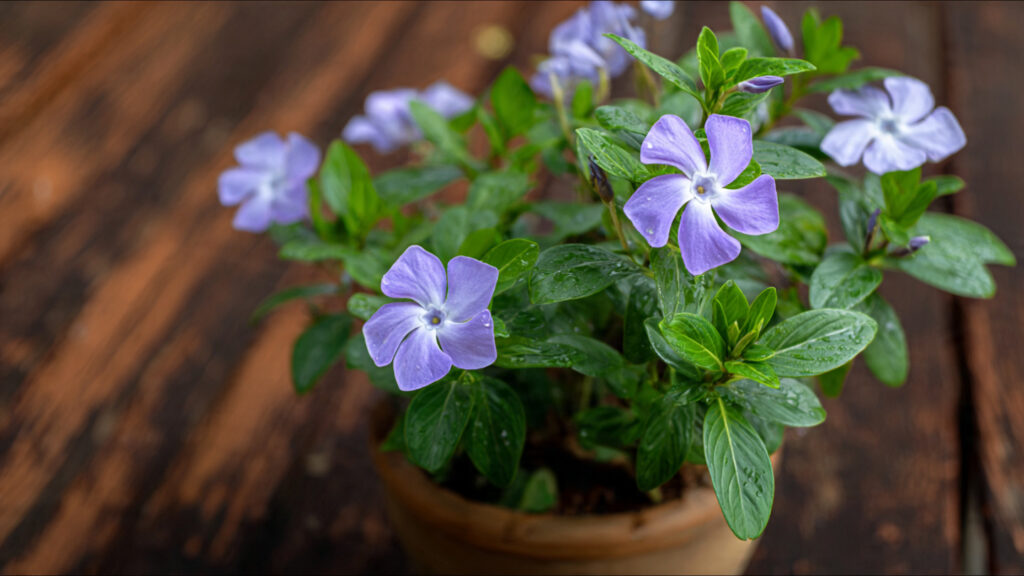
Periwinkle, also known as Vinca, is a charming flowering plant admired for its vibrant blooms and hardy nature. Its star-shaped flowers, which range from pink to deep violet, make it a favorite for gardens, containers, and even indoor décor. Growing periwinkle from seed is not only rewarding but also surprisingly easy, whether you’re cultivating it indoors or planting directly outdoors. With a little guidance, you can enjoy a long season of colorful flowers that brighten your home and garden.
Understanding Periwinkle: A Hardy Beauty
Periwinkle is a resilient plant that thrives in a variety of climates. There are two main types commonly grown from seeds:
- Vinca major (Greater Periwinkle): Larger leaves, sprawling growth habit, often used as ground cover.
- Vinca minor (Lesser Periwinkle): Smaller leaves, more compact growth, ideal for borders or containers.
Key advantages of growing periwinkle include:
- Easy propagation from seeds
- Drought-tolerant once established
- Continuous blooms during warm seasons
- Low maintenance and pest-resistant
Whether you’re growing periwinkle indoors for decoration or outdoors to cover bare patches, it adapts well to both settings.
Choosing the Right Seeds and Tools
Starting with quality seeds is the first step to success. Look for:
- Fresh seeds from a reputable supplier
- Varieties suited for your region (check climate hardiness zones)
- Seeds that are labeled “for indoor or outdoor sowing” if possible
Essential tools for seed sowing include:
- Seed trays or small pots for indoor germination
- Well-draining seed-starting soil
- Spray bottle for gentle watering
- Plastic cover or humidity dome to maintain moisture
Having the right tools ensures a strong start for your periwinkle seedlings.
Indoor Sowing: Step-by-Step Guide
Growing periwinkle indoors allows you to control temperature, light, and moisture, giving your seedlings the best start before transplanting outdoors.
Step 1: Prepare Your Containers
Use seed trays or small pots with drainage holes. Fill them with light, well-draining seed-starting mix to prevent waterlogging, which can rot delicate seeds.
Step 2: Sow the Seeds
- Sprinkle periwinkle seeds on the soil surface.
- Lightly cover them with a thin layer of soil or vermiculite, as periwinkle seeds require some light to germinate.
- Mist gently with water to avoid washing away the seeds.
Step 3: Provide Proper Conditions
- Temperature: Keep soil between 70–75°F (21–24°C) for optimal germination.
- Light: Place trays near a bright window or under grow lights for 12–14 hours daily.
- Moisture: Maintain consistent moisture using a spray bottle; avoid overwatering.
Step 4: Germination
Periwinkle seeds typically germinate within 7–14 days. Once seedlings develop two sets of true leaves, they’re ready for thinning. Keep the strongest seedlings and remove weaker ones to ensure healthy growth.
Outdoor Sowing: Direct Seeding in Gardens
Periwinkle can also thrive when sown directly outdoors, particularly in warm, frost-free climates.
Step 1: Choose the Right Location
- Full sun to partial shade works best.
- Soil should be well-draining, slightly acidic to neutral.
- Avoid waterlogged areas to prevent root rot.
Step 2: Prepare the Soil
Loosen the soil and remove weeds or debris. You can mix in organic compost to enrich the soil without over-fertilizing.
Step 3: Sow the Seeds
- Scatter seeds lightly over the soil surface.
- Cover with a thin layer of soil or fine sand.
- Water gently to settle the seeds.
Step 4: Care for Seedlings
- Keep the soil moist until germination, which usually takes 10–14 days outdoors.
- Once seedlings are established, thin them to prevent overcrowding, leaving 6–12 inches between plants for proper airflow.
Direct outdoor sowing is ideal for gardeners seeking a low-maintenance, natural growth approach.
Caring for Periwinkle Seedlings
Whether indoors or outdoors, proper care is essential for healthy seedlings:
Watering
- Keep soil consistently moist but not soggy.
- Reduce watering frequency as plants mature and develop drought tolerance.
Light Requirements
- Periwinkle prefers bright, indirect light indoors.
- Outdoors, it thrives in full sun or partial shade, with more blooms under sunnier conditions.
Fertilization
- Apply a balanced, water-soluble fertilizer once every 3–4 weeks.
- Avoid over-fertilizing, as too much nitrogen can reduce flowering and encourage leafy growth.
Pruning and Pinching
- Pinch off dead or yellow leaves to encourage bushier growth.
- Regular pruning keeps plants compact and enhances blooming.
Transplanting Indoor Seedlings Outdoors
After your indoor seedlings grow strong and the outdoor conditions are favorable, it’s time to transplant.
➡️ How to Grow Malabar Spinach from Cuttings for Fast, Easy Greens
➡️ How to Grow Super Delicious Cabbage at Home Without a Garden
➡️ How to Grow Bean Sprouts at Home in Plastic Bottles Easily (Step‑by‑Step Guide)
➡️ Why is Your Lemon Tree Blooming in the Heart of Winter?
➡️ Why Should Your Garden Have a Dedicated Pollinator Highway?
➡️ Why Do Your Fruit Trees Need a Winter Wash to Thrive in Spring?
➡️ How Can Rice Water Transform Your Fruits into Sweeter Delights?
➡️ Jumpstart Your Winter Garden: Seed Starting Under Lights
- Harden Off Seedlings
Gradually introduce indoor seedlings to outdoor conditions over 7–10 days. Start with a few hours of sunlight daily, increasing exposure gradually. - Transplant Carefully
- Dig holes slightly larger than the seedling root balls.
- Space seedlings according to growth habits (usually 6–12 inches apart).
- Water thoroughly after planting to help roots establish.
Transplanting ensures your periwinkle thrives in the garden and maintains vigorous, colorful growth.
Maintenance Tips for Long-Lasting Blooms
Periwinkle is low-maintenance, but these practices promote continuous flowering and healthy plants:
- Mulch: Apply a thin layer of mulch around plants to conserve moisture and suppress weeds.
- Deadheading: Regularly remove spent flowers to encourage new blooms.
- Pest Monitoring: Periwinkle is generally pest-resistant but watch for aphids or mealybugs and treat promptly.
- Watering During Dry Spells: While drought-tolerant, occasional watering ensures peak flowering in extreme heat.
With minimal effort, periwinkle can bloom for months, enhancing your garden with vibrant color and resilience.
Creative Uses for Periwinkle
Periwinkle’s versatility allows for many aesthetic and practical applications:
- Ground Cover: Ideal for covering bare patches in the garden.
- Borders and Edging: Creates neat, colorful outlines along pathways or flower beds.
- Container Gardening: Thrives in pots for patios, balconies, or indoor décor.
- Mixed Flower Beds: Adds contrasting color when planted with marigolds, petunias, or ornamental grasses.
Its adaptability makes periwinkle a popular choice for both novice and experienced gardeners.
Troubleshooting Common Issues
Even hardy plants can face challenges:
- Poor Germination: Ensure seeds are fresh and soil is kept consistently moist and warm.
- Leggy Seedlings: Increase light exposure indoors or thin overcrowded seedlings.
- Yellowing Leaves: Often caused by overwatering or nutrient imbalance; reduce water and check soil quality.
- Sparse Flowering: May result from excessive shade or over-fertilization; ensure adequate sunlight and balanced feeding.
With a little attention, most issues are easily corrected, ensuring a healthy, flowering garden.
Final Thoughts: Enjoy the Reward of Growing Periwinkle
Growing periwinkle from seed, whether indoors or outdoors, is a rewarding and enjoyable experience. Its vibrant flowers, ease of care, and adaptability make it an ideal choice for gardeners of all skill levels. By following the steps outlined above—selecting quality seeds, providing proper care, and maintaining consistent routines—you can cultivate lush, colorful periwinkle plants that brighten your home, garden, or containers.
From sprouting seedlings indoors to vibrant garden blooms outdoors, periwinkle demonstrates the beauty and resilience of well-cared-for plants. With patience, simple care, and regular attention, your periwinkle will flourish, rewarding your efforts with months of enduring beauty.
This article is structured with subheadings, practical tips, and visual guidance to engage readers and provide a clear, actionable roadmap for growing periwinkle from seed.