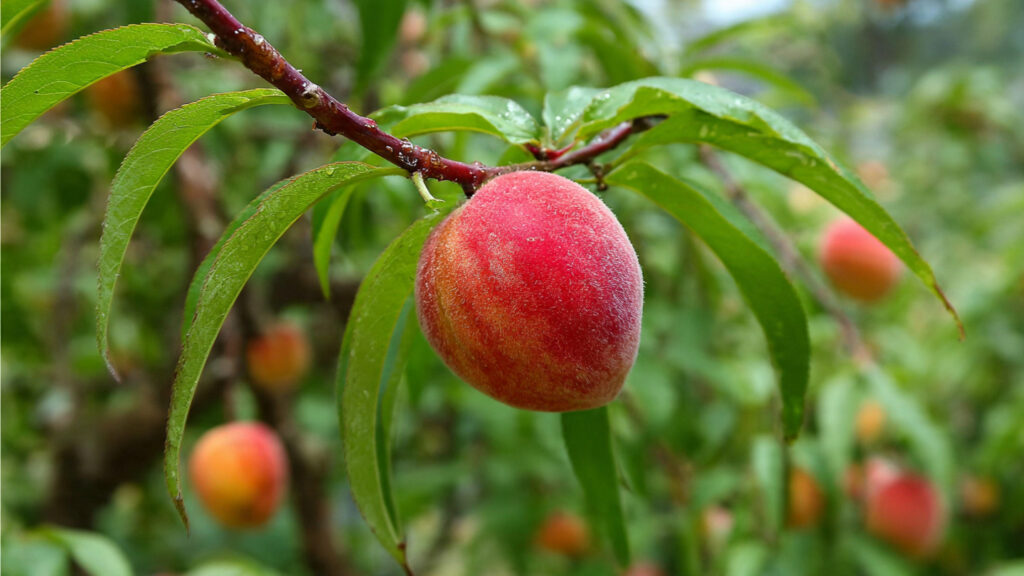
Growing your own peach trees from seed can be a highly rewarding gardening experience. While peaches are often associated with warm climates, with the right approach, even gardeners in colder regions can successfully cultivate these sweet fruits. For beginners, understanding the proper steps and precautions is essential to nurture peach seeds into healthy, productive trees. This guide will walk you through easy steps to successfully grow peaches from seed in cold climates.
Understanding Peach Seeds and Cold Climate Challenges
Peach seeds, also known as pits, are encased in a hard shell that protects the embryo inside. In their natural environment, these seeds undergo a period of cold stratification—exposure to cold temperatures that simulate winter—to trigger germination. This is good news for gardeners in cold climates because your environment can naturally provide this chilling period. However, cold climates also present challenges, such as short growing seasons, late spring frosts, and harsh winters, which can affect seedling survival and fruit production. By understanding these challenges, you can plan your growing process more effectively.
Choosing the Right Peach Variety
One of the first steps in growing peaches in a cold climate is selecting a variety that is cold-hardy. Certain cultivars are specifically bred to withstand lower temperatures and shorter growing seasons. Some recommended cold-hardy peach varieties include:
- Reliance: Known for its ability to survive harsh winters and still produce sweet fruit.
- Contender: Performs well in late-spring frost areas, producing large, juicy peaches.
- Redhaven: Popular for its reliable fruiting and moderate cold tolerance.
Selecting a suitable variety increases your chances of success and reduces the risk of losing your young trees to winter damage.
Preparing Peach Seeds for Germination
Peach seeds require a period of cold stratification to germinate effectively. Follow these steps to prepare your seeds:
- Extract the Pit: After enjoying a fresh peach, carefully remove the pit. Clean it thoroughly, removing all fruit flesh to prevent mold growth.
- Dry the Pit: Allow the pit to dry for a few days in a cool, shaded area. This reduces the risk of rotting during stratification.
- Crack the Shell (Optional): Some gardeners gently crack the hard outer shell to speed up germination. This step must be done carefully to avoid damaging the embryo inside.
- Cold Stratification: Place the pit in a damp paper towel, sand, or peat moss, then store it in a sealed plastic bag in the refrigerator. Maintain a temperature of around 34–40°F (1–4°C) for 8–12 weeks. This mimics natural winter conditions and prepares the seed for sprouting.
Choosing the Right Planting Site
Selecting the correct planting location is crucial, especially in cold climates. Peaches need plenty of sunlight, so choose a spot that receives at least 6–8 hours of direct sun daily. Good air circulation is also essential to reduce the risk of fungal diseases, which can be more prevalent in regions with high humidity and late spring frosts.
Additionally, consider soil conditions. Peaches prefer well-drained, sandy loam soil with a slightly acidic pH of 6.0–6.5. Poor drainage can cause root rot, particularly in cold climates where soil may remain wet for long periods during spring thaw.
Planting Peach Seeds
Once your seeds have completed the cold stratification process, it’s time to plant them:
- Prepare Containers: For beginners, starting seeds in containers or pots indoors is recommended. Use a good-quality seed-starting mix to provide optimal nutrition and drainage.
- Plant the Seed: Plant each seed about 1–2 inches deep, with the pointed end facing down. Cover lightly with soil.
- Watering: Water gently to moisten the soil, ensuring it’s damp but not soggy. Overwatering can cause seeds to rot.
- Temperature and Light: Keep the containers in a warm area with indirect sunlight or under a grow light. Maintaining a consistent temperature of 70–75°F (21–24°C) encourages germination.
Germination can take 2–4 weeks, depending on the seed and environmental conditions. Patience is key, as some seeds may take longer to sprout.
Transplanting Seedlings Outdoors
After the seedlings have grown strong enough and the risk of frost has passed, you can begin transplanting them outdoors. Follow these steps to ensure a smooth transition:
- Hardening Off: Gradually acclimate seedlings to outdoor conditions by placing them outside for a few hours each day, gradually increasing exposure over 7–10 days.
- Digging the Hole: Choose a hole slightly larger than the seedling’s root system. Add compost or organic matter to enrich the soil.
- Planting the Seedling: Gently remove the seedling from the container, keeping the roots intact. Plant it at the same depth it was growing in the container.
- Mulching: Apply a 2–3 inch layer of organic mulch around the base, keeping it away from the stem. Mulch helps retain moisture, regulates soil temperature, and protects roots from late-season cold.
Young seedlings are particularly vulnerable to cold damage, so consider using protective coverings, such as frost cloths or row covers, during unexpected late frosts.
Caring for Young Peach Trees
Proper care during the first few years is critical to establish strong, healthy trees that can produce fruit in the future. Key aspects include:
- Watering: Young trees need consistent watering, particularly during dry periods. Water deeply once or twice a week, depending on rainfall.
- Fertilizing: Use a balanced fertilizer in early spring before new growth begins. Avoid excessive nitrogen, which can promote leaf growth at the expense of fruit development.
- Pruning: Prune young trees to develop a strong structure and encourage airflow. Remove any damaged or crossing branches and maintain an open center for sunlight penetration.
- Pest and Disease Management: Monitor for common issues like peach leaf curl, aphids, and scale insects. Early intervention with organic or chemical controls can prevent long-term damage.
Winter Protection in Cold Climates
In cold climates, protecting your peach trees during winter is essential. Young trees are more susceptible to frost and freeze damage. Some protective measures include:
- Tree Wraps: Use protective wraps or tree guards to prevent trunk splitting due to extreme temperature fluctuations.
- Mulching: Thick mulch around the root zone insulates the soil and reduces the risk of frost heaving.
- Frost Covers: For sudden late-winter or early-spring freezes, cover young trees with frost cloths or blankets overnight. Remove them during the day to prevent overheating.
These precautions increase the chances of survival and successful fruiting in the coming seasons.
Patience and Long-Term Expectations
Growing peaches from seed requires patience. Unlike grafted nursery trees, seed-grown peaches may take 3–5 years—or even longer—to produce fruit. Additionally, the fruit may differ slightly from the parent tree in size, taste, or color due to genetic variation. Despite this, nurturing a tree from seed can be highly rewarding, allowing you to witness the full life cycle of your peach tree.
➡️ How to Grow Malabar Spinach from Cuttings for Fast, Easy Greens
➡️ How to Grow Super Delicious Cabbage at Home Without a Garden
➡️ How to Grow Bean Sprouts at Home in Plastic Bottles Easily (Step‑by‑Step Guide)
➡️ Why is Your Lemon Tree Blooming in the Heart of Winter?
➡️ Why Should Your Garden Have a Dedicated Pollinator Highway?
➡️ Why Do Your Fruit Trees Need a Winter Wash to Thrive in Spring?
➡️ How Can Rice Water Transform Your Fruits into Sweeter Delights?
➡️ Jumpstart Your Winter Garden: Seed Starting Under Lights
Conclusion
Growing peaches from seed in cold climates is entirely possible for beginners when following simple, structured steps. From selecting cold-hardy varieties to preparing seeds, planting, and providing ongoing care, every stage plays a crucial role in success. By understanding your climate, providing protection from frost, and exercising patience, you can enjoy the satisfaction of cultivating your own peaches from scratch. Over time, these trees can become a beautiful, productive part of your garden, providing fresh, homegrown peaches for years to come.