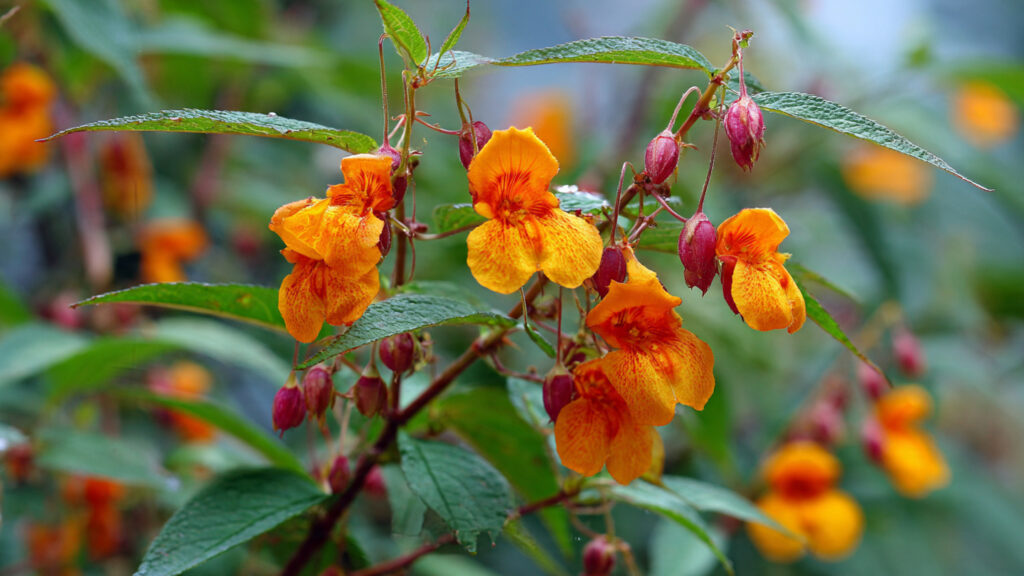
Few flowers can brighten up a garden quite like the Balsam double flower. Known for its vibrant blooms, lush foliage, and long-lasting flowers, this plant is a favorite among home gardeners and flower enthusiasts alike. Whether you have a spacious garden, a balcony, or just a sunny windowsill, growing balsam double flowers at home can be a rewarding experience. The best part? With a little knowledge and care, these plants flourish easily, even for beginners.
In this guide, we’ll walk you through everything you need to know to successfully grow Balsam double flowers from seed to full bloom, ensuring your home garden bursts with color.
Understanding the Balsam Double Flower
Before planting, it’s helpful to understand what makes the balsam double flower unique. Balsam (Impatiens balsamina) is an annual flowering plant known for its thick, succulent stems and striking blooms. The “double flower” variety refers to the petals that are fuller and more layered, giving the flowers a lush, rose-like appearance.
Some key traits of balsam double flowers include:
- Bright, varied colors: Red, pink, purple, white, and even bi-colored varieties.
- Compact growth: Usually grows 12–24 inches tall, making it suitable for containers or garden beds.
- Blooming season: Thrives in warm climates and blooms continuously from summer until frost.
- Low maintenance: Resistant to drought and adaptable to partial shade or full sun, depending on the climate.
Understanding these traits helps you create the perfect environment for your balsam plants to thrive.
Step 1: Choosing the Right Seeds
The first step to a successful balsam double flower garden is selecting high-quality seeds. Look for reputable seed suppliers that offer fresh, disease-free seeds. Some tips include:
- Check the germination rate: High-quality seeds should have at least an 80% germination rate.
- Select your preferred colors: Balsam double flowers come in a wide range of vibrant shades, so choose colors that complement your garden or home décor.
- Consider hybrid varieties: Hybrid seeds often produce stronger, healthier plants with more abundant blooms.
Step 2: Preparing the Soil
Balsam double flowers thrive in well-drained, fertile soil. They prefer soil rich in organic matter but can adapt to average garden soil if properly amended. Follow these tips to prepare the perfect soil:
- Choose a planting container or garden bed: For containers, ensure there are drainage holes. For garden beds, avoid low-lying areas prone to waterlogging.
- Loosen the soil: Use a garden fork or trowel to loosen the soil and remove weeds.
- Add compost or organic matter: This enriches the soil, improves drainage, and provides essential nutrients for healthy growth.
- pH level: Balsam grows best in slightly acidic to neutral soil (pH 6.0–7.0).
Step 3: Sowing the Seeds
Sowing balsam seeds is simple and can be done indoors or directly in your garden. Here’s how:
Indoor Sowing
- Use seed trays or small pots: Fill with a light, well-draining seed-starting mix.
- Sow seeds thinly: Sprinkle seeds lightly on the soil surface; do not bury them too deep as they need light to germinate.
- Water gently: Mist the soil lightly to avoid washing the seeds away.
- Provide warmth: Keep the soil at 20–25°C (68–77°F) for optimal germination.
- Germination period: Seeds usually sprout in 7–14 days.
Outdoor Sowing
- Choose a sunny location: Partial shade works well in hotter climates.
- Prepare the soil: Loosen the top 1–2 inches of soil and remove weeds.
- Scatter seeds: Press lightly into the soil surface, but do not cover completely.
- Water carefully: Keep the soil consistently moist until seedlings emerge.
Step 4: Caring for Young Seedlings
Once the seeds sprout, care for the seedlings carefully to ensure strong, healthy plants:
- Thin seedlings: When seedlings have 2–3 sets of true leaves, thin them to allow proper spacing (6–12 inches apart).
- Provide adequate light: If indoors, place near a sunny window or under grow lights.
- Water consistently: Avoid overwatering. Soil should be moist but not soggy.
- Fertilize lightly: Use a diluted, balanced liquid fertilizer every 2–3 weeks to promote robust growth.
Step 5: Transplanting to Garden or Containers
If you started seeds indoors, it’s time to transplant seedlings outdoors once they are strong enough:
- Harden off seedlings: Gradually expose them to outdoor conditions for a week to reduce transplant shock.
- Choose the planting spot: Ensure it has partial sun to full sun, depending on your climate.
- Plant carefully: Dig holes slightly larger than the root ball and place seedlings at the same depth they were growing in pots.
- Water immediately: Water gently after planting to help roots settle.
Step 6: Maintaining Your Balsam Double Flower
Healthy balsam double flowers need ongoing care throughout the growing season:
- Watering: Water regularly, especially during dry spells. Avoid splashing water on leaves to prevent fungal diseases.
- Mulching: Apply a thin layer of mulch around the base to retain soil moisture and control weeds.
- Fertilization: Feed plants every 3–4 weeks with a balanced fertilizer to encourage lush blooms.
- Pruning: Pinch off faded flowers to encourage continuous blooming.
- Pest and disease control: Watch for aphids, whiteflies, and fungal infections. Use natural insecticides or neem oil if necessary.
Step 7: Encouraging More Blooms
Balsam double flowers bloom prolifically when happy. Here are some tips to maximize flowering:
- Sunlight: Ensure at least 4–6 hours of sunlight daily.
- Regular feeding: Use a phosphorus-rich fertilizer to promote blooms.
- Deadheading: Remove spent flowers to stimulate new blooms.
- Space plants adequately: Crowding can reduce airflow, making flowers smaller and more susceptible to disease.
Step 8: Harvesting and Using Your Flowers
One of the joys of growing balsam double flowers at home is enjoying their vibrant blooms in multiple ways:
- Decorative use: Add flowers to vases, garden displays, or as garnishes for desserts.
- Edible purposes: Young leaves and petals are edible and can be added to salads or used as colorful food decorations.
- Sharing: Hand out flowers to neighbors or friends, spreading beauty and joy.
Common Challenges and Solutions
Even easy-to-grow plants can face issues. Here are common challenges with balsam double flowers and how to solve them:
- Leggy growth: Often caused by insufficient light. Move plants to a sunnier spot or use supplemental grow lights indoors.
- Fungal diseases: Overwatering or poor airflow can cause mildew or leaf spot. Ensure proper spacing and water at the base of plants.
- Pest infestations: Aphids or whiteflies can appear. Use neem oil or introduce beneficial insects like ladybugs to control pests naturally.
- Poor flowering: May result from nutrient deficiency. Fertilize regularly and ensure enough sunlight.
Why Grow Balsam Double Flowers at Home?
Growing balsam double flowers at home is not only easy but highly rewarding. Here’s why:
➡️ How to Grow Malabar Spinach from Cuttings for Fast, Easy Greens
➡️ How to Grow Super Delicious Cabbage at Home Without a Garden
➡️ How to Grow Bean Sprouts at Home in Plastic Bottles Easily (Step‑by‑Step Guide)
➡️ Why is Your Lemon Tree Blooming in the Heart of Winter?
➡️ Why Should Your Garden Have a Dedicated Pollinator Highway?
➡️ Why Do Your Fruit Trees Need a Winter Wash to Thrive in Spring?
➡️ How Can Rice Water Transform Your Fruits into Sweeter Delights?
➡️ Jumpstart Your Winter Garden: Seed Starting Under Lights
- Visual appeal: Their large, double blooms add instant color and charm to any space.
- Low-maintenance: Perfect for beginners or busy gardeners.
- Pollinator-friendly: Attracts bees and butterflies, helping your garden ecosystem.
- Versatile planting: Thrives in containers, garden beds, or balcony planters.
Conclusion
With its stunning, vibrant blooms and simple care requirements, the balsam double flower is an ideal choice for home gardeners. By following these easy steps—from selecting seeds to maintaining healthy plants—you can create a beautiful, colorful display that will flourish all season long. Whether you want to brighten up your garden, add a touch of beauty to your home, or simply enjoy the joy of gardening, balsam double flowers offer the perfect solution.
Plant them, nurture them, and watch your home transform into a colorful haven. With a little patience and care, the rewarding sight of lush, double blooms will make all your gardening efforts worthwhile.