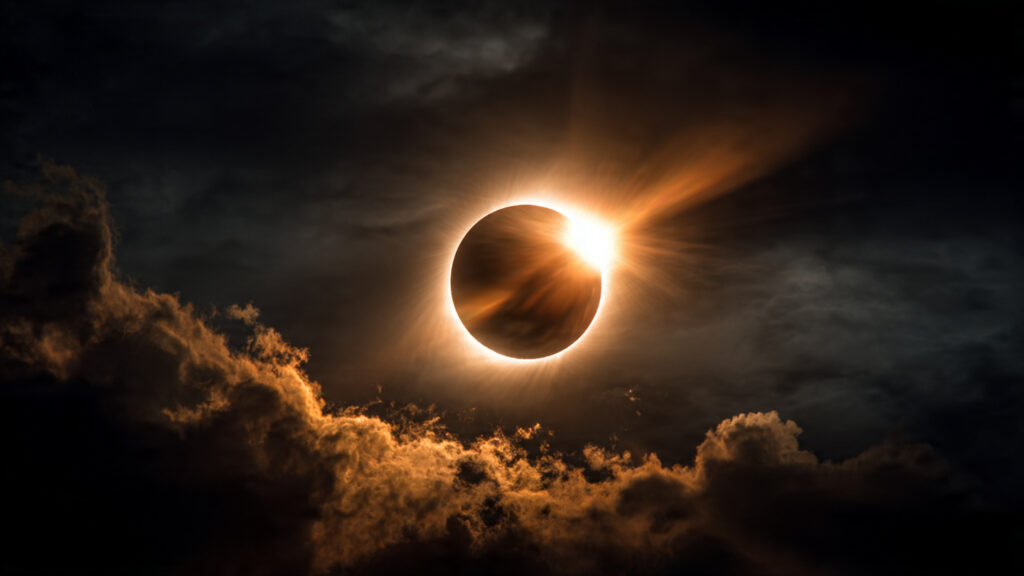
In the vast tapestry of cosmic events, few spectacles can match the awe-inspiring drama of a total solar eclipse. This year, skywatchers and astronomy enthusiasts around the globe are eagerly anticipating what has already been dubbed the “Eclipse of the Century”—a celestial performance that promises nearly six minutes of total darkness, breathtaking views of the Sun’s corona, and a rare opportunity to witness one of nature’s most spectacular phenomena. Whether you are a seasoned astronomer or a casual stargazer, this event is not to be missed.
The Exact Date of the Eclipse
Mark your calendars and set your alarms: the eclipse will occur on August 12, 2026. While solar eclipses are not uncommon, a total eclipse visible from such a wide swath of Earth is extraordinarily rare. Totality—the brief period when the Moon completely covers the Sun—is fleeting, and for many locations along the path, the duration will last just a few minutes. However, for lucky observers positioned in the right spots, the darkness could stretch to nearly six minutes, offering an unforgettable spectacle.
This eclipse is notable not only for its duration but also for its visibility across multiple continents, making it accessible to millions of people who have long dreamed of witnessing a total solar eclipse without traveling halfway around the world.
What Makes This Eclipse Special
Nearly Six Minutes of Total Darkness
For most solar eclipses, totality lasts just 2–3 minutes. But this upcoming event is exceptional, with some locations experiencing nearly six minutes of total darkness. During this time, daytime transforms into an eerie twilight, temperatures drop slightly, and the Sun’s corona—the outer atmosphere—becomes vividly visible as a shimmering halo around the Moon.
This rare length of totality allows photographers, scientists, and eclipse enthusiasts to observe celestial phenomena that are usually invisible in daylight, including:
- Solar Prominences: Streams of hot plasma visible along the Sun’s edge.
- Baily’s Beads: Tiny points of sunlight peeking through lunar valleys.
- Corona Dynamics: Delicate loops and rays of solar plasma stretching millions of kilometers.
The Science Behind Total Solar Eclipses
A solar eclipse occurs when the Moon passes directly between the Earth and the Sun, casting a shadow on parts of our planet. There are three types of solar eclipses—partial, annular, and total—but total solar eclipses are the most dramatic. Only a narrow path on Earth, called the path of totality, experiences complete darkness; outside this path, viewers see a partial eclipse where the Sun is only partially obscured.
The precision of celestial mechanics makes predicting eclipses remarkably accurate. Scientists can calculate the exact time, location, and duration of totality decades in advance. For this eclipse, astronomers have determined the regions where viewers will experience the full six minutes of darkness, providing a rare opportunity to plan trips and observation strategies.
Best Places to Witness the Eclipse
The path of totality will span parts of Europe, North Africa, and the Middle East. Some of the best locations for witnessing the eclipse include:
- Spain – Cities like Zaragoza and Valencia will be in prime positions for totality, with clear skies often expected in August.
- Iceland – Although more remote, Iceland offers stunning landscapes that make the eclipse a photographer’s dream.
- Greenland – Less accessible but perfect for those seeking an isolated and uninterrupted view of totality.
- Northern Africa – Regions in Morocco and Algeria fall directly within the path, providing excellent opportunities for travelers.
Viewing Tips for the Perfect Experience
- Arrive Early: Popular viewing spots can get crowded. Arriving a day or two in advance ensures you have a good spot.
- Use Eclipse Glasses: Looking directly at the Sun without protection can cause permanent eye damage. Certified eclipse glasses are essential.
- Check the Weather: Cloud cover can ruin the view, so tracking local weather forecasts is key.
- Photography Gear: For capturing stunning images, use solar filters on cameras or telescopes and practice shots ahead of the event.
Preparing for the Eclipse
Witnessing totality is a once-in-a-lifetime experience for many people, so preparation is critical. Here are some practical steps:
- Plan Your Travel: Book accommodations early, especially in cities along the path of totality. Hotels, campgrounds, and rental properties fill up months in advance.
- Pack Essentials: Water, snacks, sun protection, comfortable seating, and portable power banks can make a long day outdoors much more enjoyable.
- Time Your Observation: Totality is short, so know exactly when it begins and ends at your location. Apps and online calculators provide precise times down to the second.
- Practice Safety: Never attempt to look at the Sun through a camera, telescope, or binoculars without a certified solar filter. Safety is paramount.
Experiencing the Magic of Totality
The moment totality begins is unforgettable. Daylight fades, shadows grow long, and the temperature drops. Birds and animals may quiet down, sensing the sudden darkness. For six minutes, the Sun’s corona reveals its intricate patterns—golden streams, delicate loops, and flickering rays—that are impossible to see at any other time.
The experience is not just visual; it is profoundly emotional. People often report feeling a sense of connection to the cosmos, awe at the precision of celestial mechanics, and wonder at the sheer scale of the universe. Those six minutes create memories that last a lifetime.
Scientific Opportunities
Total solar eclipses are more than just a visual spectacle—they are valuable for science. During totality, researchers study the Sun’s corona, test instruments, and analyze the impact of sudden darkness on weather and animal behavior. For amateur astronomers, this is also a chance to contribute to citizen science by photographing solar phenomena or monitoring environmental changes during the eclipse.
A Rare Global Event
Solar eclipses occur roughly every 18 months somewhere on Earth, but most are partial or visible from remote areas. A total eclipse of this magnitude, lasting nearly six minutes and visible from accessible locations, is truly rare. This event will unite millions of people across continents in shared wonder, from casual viewers to dedicated astronomers.
Making the Most of the Experience
To truly savor the “Eclipse of the Century,” consider combining the event with local experiences. Many regions along the path of totality will host festivals, guided tours, and educational workshops. Engaging with local culture and communities can make the trip even more memorable. And while photography is tempting, don’t forget to take moments to simply watch with your eyes—unfiltered, with safety precautions, and fully present in the cosmic spectacle.
Final Thoughts
The Eclipse of the Century is more than a solar event; it is a chance to witness the universe in motion, experience a few minutes of awe-inspiring darkness, and strengthen our connection to the cosmos. On August 12, 2026, millions of eyes will turn skyward as the Moon perfectly aligns with the Sun, casting shadows and illuminating the corona in ways that are rarely seen. By preparing in advance, traveling to optimal locations, and observing safely, you can ensure that this rare celestial dance becomes a memory of a lifetime.
➡️ How to Grow Malabar Spinach from Cuttings for Fast, Easy Greens
➡️ How to Grow Super Delicious Cabbage at Home Without a Garden
➡️ How to Grow Bean Sprouts at Home in Plastic Bottles Easily (Step‑by‑Step Guide)
➡️ Why is Your Lemon Tree Blooming in the Heart of Winter?
➡️ Why Should Your Garden Have a Dedicated Pollinator Highway?
➡️ Why Do Your Fruit Trees Need a Winter Wash to Thrive in Spring?
➡️ How Can Rice Water Transform Your Fruits into Sweeter Delights?
➡️ Jumpstart Your Winter Garden: Seed Starting Under Lights
Whether you view it from the bustling cities of Spain, the remote landscapes of Iceland and Greenland, or the deserts of Northern Africa, this total solar eclipse promises a spectacle of wonder, science, and shared human curiosity. Don’t miss the chance to be part of this astronomical milestone—the sky is ready, and the universe is calling.