Mint is one of the most popular and versatile herbs in home gardens. Its aromatic leaves enhance teas, desserts, sauces, and cocktails, while also offering medicinal and therapeutic benefits. Known for its vigorous growth, mint can thrive in pots, garden beds, and even hydroponic setups. However, one common challenge that many gardeners face is root rot, a fungal condition that can quickly destroy this otherwise hardy plant. The key to growing healthy mint plants lies in understanding its growth habits, providing optimal care, and implementing strategies to prevent root rot. This guide explores effective techniques to cultivate robust, thriving mint while avoiding the pitfalls of root diseases.
Understanding Mint and Its Growth Needs
Before implementing prevention strategies, it is essential to understand the growth requirements of mint:
- Botanical characteristics: Mint belongs to the genus Mentha, which includes peppermint, spearmint, chocolate mint, and other varieties. It is a perennial herb with creeping rhizomes that enable rapid spread.
- Growth habit: Mint grows vigorously and can quickly dominate garden beds if left unchecked. In containers, its growth is more manageable.
- Light requirements: Mint prefers partial to full sunlight, though it tolerates light shade.
- Soil preferences: It thrives in moist, well-draining soil rich in organic matter with a slightly acidic to neutral pH (6.0–7.0).
Understanding these requirements helps gardeners create ideal conditions that support healthy growth and reduce the risk of root rot.
Recognizing Root Rot in Mint
Root rot is a common problem caused by fungal pathogens such as Pythium, Phytophthora, and Fusarium. It typically develops in waterlogged or poorly drained soil. Signs of root rot include:
- Yellowing leaves or wilting despite adequate watering.
- Stunted growth or sudden decline in plant vigor.
- Mushy, brown, or black roots when the plant is removed from the soil.
- Foul odor from the root zone in severe cases.
Early detection is crucial. By monitoring your mint plants regularly, you can prevent minor issues from escalating into severe infections.
Choosing the Right Container
For container-grown mint, the choice of pot plays a significant role in preventing root rot:
- Size: Use a container at least 8–12 inches deep to allow roots to spread without becoming cramped.
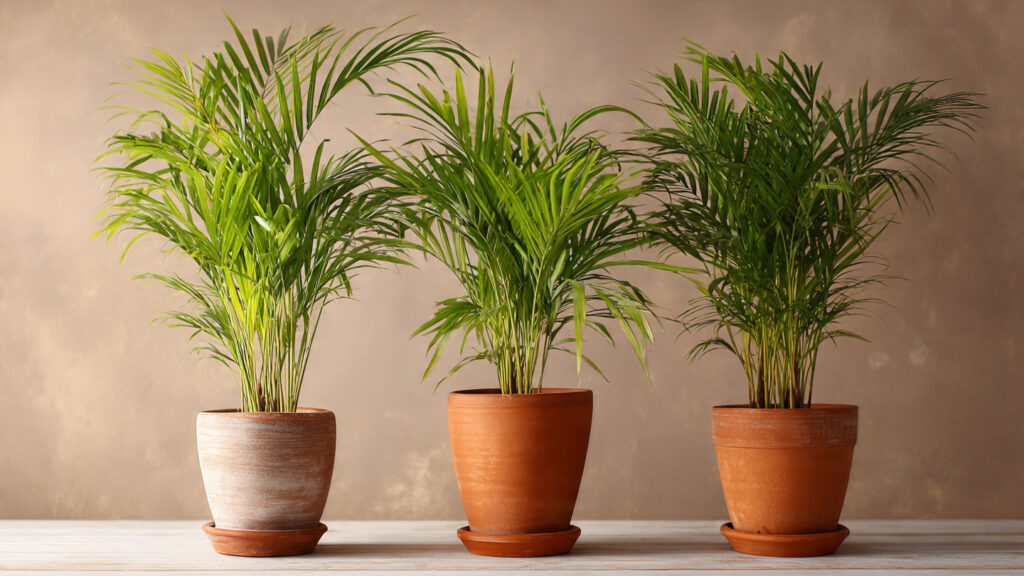
- Material: Plastic, ceramic, or terracotta pots all work, but terracotta is porous and allows better airflow to the root zone, reducing waterlogging risk.
- Drainage: Ensure multiple drainage holes at the bottom to facilitate water flow. Elevate pots slightly with saucers or pot feet to prevent standing water.
Proper container selection ensures your mint roots stay healthy and well-aerated.
Preparing Well-Draining Soil
Soil structure is the most important factor in preventing root rot:
- Mix: Combine potting soil with perlite or coarse sand (2:1 ratio) to improve drainage.
- Organic matter: Incorporate compost or well-rotted manure to provide nutrients while maintaining a loose texture.
- pH adjustment: Aim for slightly acidic to neutral soil. If necessary, add garden lime to raise pH or sulfur to lower it.
A well-draining, nutrient-rich medium allows mint roots to thrive while preventing fungal growth caused by excess moisture.
Proper Planting Techniques
How you plant mint can affect its long-term health:
- Spacing: Even in pots, space stems 4–6 inches apart to avoid overcrowding, which reduces airflow and increases disease risk.
- Depth: Plant mint slightly above the original root level to prevent the crown from sitting in water.
- Transplanting: If using nursery seedlings, gently loosen root-bound clusters before planting.
Correct planting techniques establish a healthy root system that is less susceptible to fungal infections.
Watering Strategies to Prevent Root Rot
Water management is critical because overwatering is the primary cause of root rot:
- Frequency: Water when the top inch of soil feels dry. Mint prefers consistently moist soil but not soggy conditions.
- Technique: Water at the base of the plant, avoiding wetting the foliage excessively.
- Drainage monitoring: Ensure water freely exits the pot, and never let the plant sit in stagnant water.
- Seasonal adjustments: Reduce watering during cooler months when plant growth slows.
Proper watering habits maintain healthy roots and discourage fungal pathogens from establishing.
Fertilization for Healthy Growth
Mint grows rapidly and benefits from regular nutrition:
- Organic fertilizers: Apply compost, worm castings, or fish emulsion every 3–4 weeks for steady growth.
- Balanced feeding: Use a nitrogen-rich fertilizer to support lush leafy growth, but avoid excessive amounts that promote overly soft tissue susceptible to disease.
- Slow-release options: Incorporating slow-release organic pellets can provide steady nutrients without overfertilizing.
Well-nourished plants are more resilient to stress and less prone to infections like root rot.
➡️ How to Grow Malabar Spinach from Cuttings for Fast, Easy Greens
➡️ How to Grow Super Delicious Cabbage at Home Without a Garden
➡️ How to Grow Bean Sprouts at Home in Plastic Bottles Easily (Step‑by‑Step Guide)
➡️ Why is Your Lemon Tree Blooming in the Heart of Winter?
➡️ Why Should Your Garden Have a Dedicated Pollinator Highway?
➡️ Why Do Your Fruit Trees Need a Winter Wash to Thrive in Spring?
➡️ How Can Rice Water Transform Your Fruits into Sweeter Delights?
➡️ Jumpstart Your Winter Garden: Seed Starting Under Lights
Pruning and Maintenance
Regular pruning helps prevent disease and encourages vigorous growth:
- Pinching tips: Trim stem tips to promote bushier growth and prevent legginess.
- Remove damaged leaves: Discard yellowed or wilted foliage promptly to reduce pathogen spread.
- Division: Every 2–3 years, divide the root system to prevent overcrowding, which can trap moisture and create conditions favorable for root rot.
Routine maintenance keeps your mint plant healthy, productive, and disease-resistant.
Using Preventive Treatments
Even with ideal conditions, preventive measures can further reduce root rot risk:
- Beneficial microbes: Introduce mycorrhizal fungi or Trichoderma-based soil amendments to enhance root health and suppress pathogens.
- Neem oil sprays: Periodic applications can reduce fungal pressure on leaves and stems.
- Clean tools: Always sterilize pruning tools and containers to prevent introducing disease.
Combining preventive treatments with proper cultural practices provides comprehensive protection.
Environmental Controls
Environmental factors influence root rot development:
- Airflow: Ensure adequate ventilation around the pots to reduce humidity buildup.
- Temperature: Mint prefers 60–75°F for optimal growth. Avoid extreme heat that can stress plants and make them more susceptible to disease.
- Light: Provide at least 4–6 hours of sunlight per day to maintain strong, healthy plants.
Controlling environmental factors reduces stress on mint and prevents conditions conducive to root rot.
Companion Planting and Crop Rotation
Mint is a vigorous grower that can dominate containers if not managed carefully. Companion planting and rotation help maintain healthy roots:
- Separate planting: Avoid planting mint directly in beds previously infested with fungal pathogens.
- Rotation: In garden beds, rotate mint with other herbs to reduce soil-borne diseases.
- Container advantage: Growing mint in pots allows you to isolate it from infected soil and control growing conditions precisely.
Using these strategies protects mint roots and ensures sustainable growth.
Harvesting for Optimal Health
Regular harvesting promotes healthy, resilient plants:
- Frequency: Cut stems as needed, ideally once the plant reaches 6–8 inches tall.
- Technique: Snip leaves from the top while leaving at least half the foliage intact.
- Effect on roots: Healthy top growth encourages a strong root system, preventing stagnation that can lead to rot.
Harvesting not only provides fresh mint but also stimulates continuous growth and vitality.
Summary of Key Strategies
To grow mint successfully while preventing root rot, focus on these core principles:
- Well-draining soil – Combine potting mix, perlite, and organic matter.
- Proper containers – Choose pots with adequate depth, width, and drainage.
- Controlled watering – Keep soil moist but never waterlogged.
- Regular pruning and maintenance – Promote bushy growth and prevent overcrowding.
- Preventive treatments – Use beneficial microbes, neem oil, and sterilized tools.
- Environmental management – Provide airflow, proper sunlight, and optimal temperature.
- Careful harvesting – Encourage strong roots and continuous growth.
Implementing these strategies creates a thriving, healthy mint plant that is resistant to root rot and other common problems.
Conclusion
Mint is one of the easiest herbs to grow, but its rapid growth and moisture-loving nature can make it susceptible to root rot. By choosing the right container, providing well-draining soil, practicing proper watering, and implementing preventive measures, you can enjoy lush, aromatic mint plants all year round. Regular pruning, careful harvesting, and maintaining optimal environmental conditions further ensure that your mint remains healthy, productive, and vibrant.
Whether grown in pots on a balcony, indoors on a sunny windowsill, or in a garden bed, following these strategies will help you maximize flavor, aroma, and yield while keeping root rot at bay. With these effective techniques, your mint plants will flourish, providing fresh leaves for teas, culinary dishes, and natural remedies, making your home herb garden both beautiful and functional.