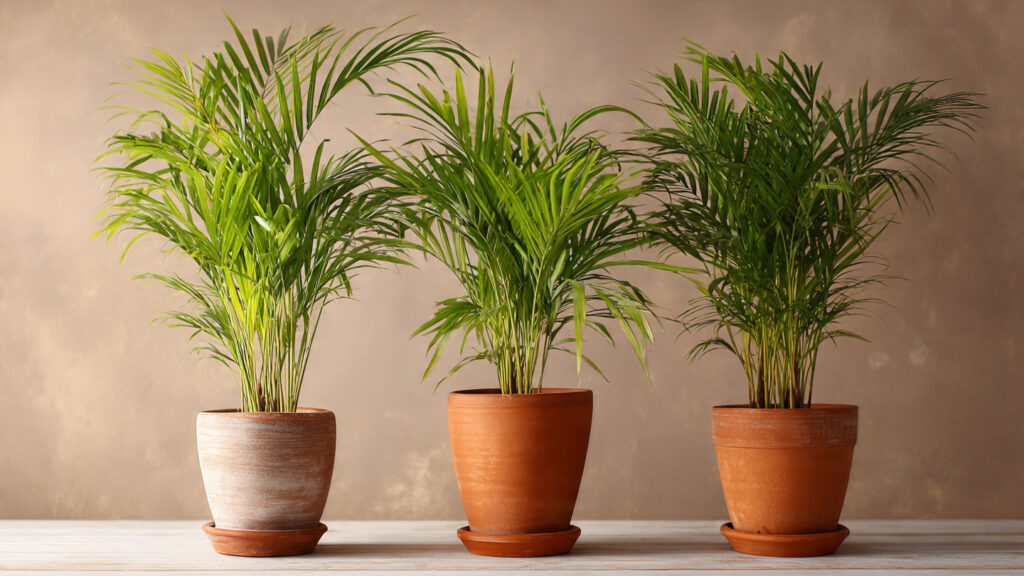
The Areca palm (Dypsis lutescens), also known as the butterfly palm or golden cane palm, is one of the most popular indoor and outdoor palms due to its lush, feathery fronds, elegant arching stems, and air-purifying properties. Its tropical aesthetic brings life and vibrancy to living rooms, offices, patios, and gardens. However, one of the most common challenges faced by Areca palm growers is the appearance of brown tips on the fronds, which can compromise its ornamental appeal and indicate underlying health issues.
Promoting healthy growth while preventing brown tips requires understanding the palm’s light, water, nutrient, and environmental needs. This comprehensive guide provides effective techniques to keep your Areca palm thriving, lush, and free of unsightly brown tips.
Understanding Brown Tips on Areca Palm
Brown tips are a common symptom in Areca palms and can result from a variety of causes, including:
- Low humidity – Dry indoor air draws moisture from fronds, causing tip browning.
- Improper watering – Overwatering or underwatering stresses the roots and leads to frond damage.
- Nutrient deficiencies – Lack of essential nutrients, especially potassium and magnesium, can cause discoloration.
- Salt accumulation – High concentrations of salts from tap water or fertilizers may burn leaf tips.
- Environmental stress – Sudden temperature changes, drafts, or excessive heat can trigger browning.
Understanding the root cause of brown tips is the first step in preventing them and ensuring healthy growth.
Choosing the Right Location
Areca palms thrive in bright, indirect light. Proper placement is crucial for healthy growth:
- Indoor placement: Place near a window that receives filtered sunlight. Direct sunlight can scorch leaves, while too little light slows growth.
- Outdoor placement: Plant in partial shade where it receives morning sun but is protected from harsh afternoon rays.
- Adequate light encourages strong, green fronds, which are less prone to brown tips.
Watering Practices for Healthy Fronds
Water management is critical in promoting lush growth while preventing tip browning:
1. Proper Watering
- Areca palms prefer consistently moist soil but not waterlogged conditions.
- Water thoroughly when the top inch of soil feels dry.
- For potted palms, ensure the container has proper drainage holes to prevent root rot.
2. Water Quality
- Use distilled, filtered, or rainwater if possible.
- Tap water containing chlorine or fluoride can cause leaf tip burn over time.
- If tap water is used, let it sit for 24 hours to allow chemicals to dissipate.
3. Humidity Considerations
- Areca palms thrive in 60–70% humidity.
- Indoors, dry air from heaters or air conditioners can exacerbate browning.
- Increase humidity with a humidifier, frequent leaf misting, or a pebble tray filled with water beneath the pot.
Fertilization for Robust Growth
Nutrient management plays a vital role in preventing brown tips and promoting healthy fronds:
1. Balanced Fertilizers
- Use a slow-release, balanced palm fertilizer with NPK ratios such as 10-10-10 or 12-4-12.
- Fertilize every 6–8 weeks during the growing season (spring and summer).
2. Essential Micronutrients
- Areca palms are sensitive to deficiencies in magnesium, manganese, and potassium.
- Apply a magnesium supplement (like Epsom salts, 1 teaspoon per gallon of water monthly) to prevent yellowing and browning.
- Potassium supports frond development and prevents tip burn. Choose fertilizers labeled for palms to ensure micronutrients are included.
3. Avoid Over-Fertilization
- Excess fertilizer can accumulate salts, leading to brown tips.
- Always follow the manufacturer’s instructions and flush the soil with water occasionally to remove excess salts.
Soil Requirements for Healthier Growth
A well-draining soil mix ensures the roots stay healthy, which directly affects leaf tip condition:
- Use a light, airy potting mix composed of peat, sand, and perlite or pine bark.
- Avoid heavy clay soils that retain water and suffocate roots.
- For potted palms, repot every 2–3 years to refresh soil and encourage healthy root growth.
Healthy roots uptake nutrients efficiently, resulting in vibrant, tip-free fronds.
Pruning and Maintenance
Regular pruning and care promote healthy frond development:
1. Removing Damaged Fronds
- Cut off fronds with extensive browning at the base, using sterilized shears.
- Avoid over-pruning; removing too many healthy fronds can stress the plant.
2. Frond Grooming
- Trim minor brown tips carefully with sharp scissors to improve appearance.
- Always cut at an angle and avoid cutting too far into green tissue.
Pruning not only maintains aesthetics but also redirects energy to new, healthy growth.
Environmental Management
Areca palms are sensitive to environmental conditions. Proper control of temperature, airflow, and light enhances growth:
- Maintain temperatures between 65–75°F (18–24°C) indoors.
- Avoid cold drafts, heaters, and sudden temperature fluctuations, which can trigger tip browning.
- Provide good air circulation to prevent fungal diseases while maintaining humidity.
Creating a stable environment reduces stress and promotes stronger, healthier fronds.
Preventing Common Pests
Pests can damage fronds and cause brown tips if left untreated:
- Spider mites: Tiny pests that suck moisture from leaves; control with insecticidal soap or water sprays.
- Mealybugs: Cottony white insects that can weaken the plant; remove manually or treat with neem oil.
- Scale insects: Appearing as small brown bumps on stems or fronds; remove with a soft cloth or horticultural oil.
Regular inspection allows early detection and prevents frond damage.
➡️ How to Grow Malabar Spinach from Cuttings for Fast, Easy Greens
➡️ How to Grow Super Delicious Cabbage at Home Without a Garden
➡️ How to Grow Bean Sprouts at Home in Plastic Bottles Easily (Step‑by‑Step Guide)
➡️ Why is Your Lemon Tree Blooming in the Heart of Winter?
➡️ Why Should Your Garden Have a Dedicated Pollinator Highway?
➡️ Why Do Your Fruit Trees Need a Winter Wash to Thrive in Spring?
➡️ How Can Rice Water Transform Your Fruits into Sweeter Delights?
➡️ Jumpstart Your Winter Garden: Seed Starting Under Lights
Techniques to Encourage Faster, Healthier Growth
- Light rotation – Rotate the plant periodically so all fronds receive even light.
- Proper spacing – Avoid overcrowding in pots to reduce stress and improve airflow.
- Regular misting – Maintains humidity and prevents dry tip formation.
- Consistent fertilization – Provides nutrients to support lush, vibrant fronds.
- Watering schedule – Establish a routine that balances moisture without overwatering.
Combined, these techniques ensure that the Areca palm grows vigorously with minimal browning.
Repotting for Continued Health
Repotting helps sustain growth and prevent tip browning caused by root-bound conditions:
- Choose a pot 2–3 inches larger in diameter than the current container.
- Use fresh, well-draining soil.
- Gently loosen the root ball to encourage outward root growth.
- Water lightly after repotting and avoid fertilizing for the first month to reduce stress.
Proper repotting supports nutrient absorption and reduces environmental stress on the fronds.
Conclusion
The Areca palm is a graceful and resilient tropical palm that enhances indoor and outdoor spaces. Preventing brown tips and promoting healthy growth require a combination of proper watering, humidity control, balanced fertilization, correct soil, and careful environmental management. By understanding the palm’s specific needs and implementing the techniques outlined in this guide, you can ensure your Areca palm maintains lush, vibrant fronds year-round.
With consistent care, attention to humidity, and strategic fertilization, brown tips become a thing of the past, and your Areca palm will thrive as a tropical centerpiece, providing elegance, color, and a sense of vitality to any space. Its upright, feathery fronds will not only enhance the aesthetic appeal of your home or garden but also contribute to improved indoor air quality, making it a functional and beautiful addition to your living environment.