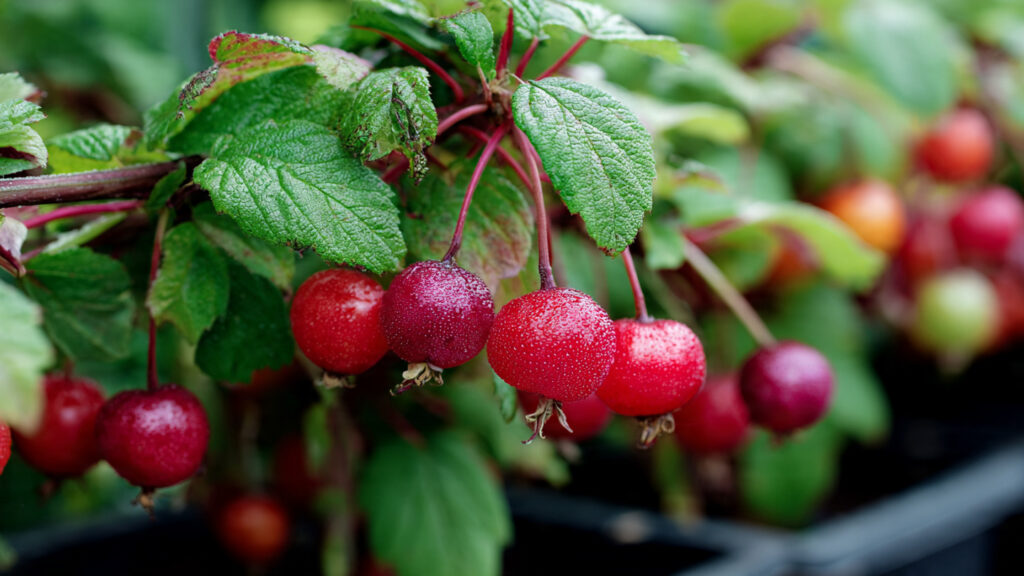
Berry plants, with their vibrant fruits and nutritious value, are a favorite among home gardeners. Strawberries, blueberries, raspberries, and blackberries are not only delicious but also add beauty and productivity to any garden. Growing them from seeds or young plants is satisfying, but propagating your own berry plants at home can save money, allow for personalized selection, and even preserve favorite varieties. By mastering propagation techniques, you can create a continuous supply of healthy plants and expand your berry garden with minimal cost.
This article explores effective methods for propagating berry plants at home, including seed sowing, cuttings, layering, division, and other tips to ensure success for gardeners of all skill levels.
Understanding Berry Plant Propagation
Propagation is the process of creating new plants from an existing parent plant. Home gardeners can propagate berry plants using sexual (seed) or asexual (vegetative) methods.
- Sexual propagation (seeds): Produces genetic diversity, allowing experimentation with new traits, but may not reproduce the parent plant’s characteristics exactly.
- Asexual propagation (cuttings, layering, division): Produces genetically identical clones of the parent plant, preserving desirable traits such as fruit flavor, size, or disease resistance.
Selecting the right propagation method depends on the berry species, available resources, and desired outcomes.
Propagating Strawberries
Strawberries are among the easiest berry plants to propagate at home, thanks to their natural production of runners—horizontal stems that produce new plantlets:
1. Using Runners
- Identify healthy runners: Look for runners with small leaves and developing roots.
- Prepare pots or soil: Place a container of moist potting mix near the runner.
- Secure the runner: Use a pin or small rock to hold the runner tip against the soil.
- Root development: After 2–4 weeks, roots will form, and the new plantlet can be cut from the parent plant.
- Transplant: Move the rooted plant to a permanent garden bed or larger container.
2. Seed Propagation
Though less common, strawberries can also be grown from seeds:
- Clean and dry seeds from fresh strawberries.
- Stratify seeds by chilling them in the refrigerator for 2–3 weeks to improve germination.
- Sow seeds in a light, well-draining seed-starting mix and keep moist until seedlings emerge.
While seed propagation allows for experimentation, it’s slower and may not produce plants identical to the parent.
Propagating Raspberries and Blackberries
Raspberry and blackberry plants are best propagated through cuttings and layering, as they are perennial shrubs with strong root systems.
1. Tip Layering
- Select a healthy cane: Choose a flexible, low-growing stem from the current season.
- Bury the tip: Dig a shallow hole and bury the tip of the cane about 2–3 inches deep in soil.
- Anchor with a pin: Keep the tip in contact with the soil using a U-shaped pin or small rock.
- Root formation: After several weeks, the tip develops roots while still attached to the parent plant.
- Sever and transplant: Cut the new plant from the parent and replant it in a prepared area.
2. Hardwood Cuttings
- Timing: Best done in late autumn or early winter when plants are dormant.
- Cut 8–12 inch sections of mature stems, removing leaves.
- Prepare planting site: Insert cuttings 3–4 inches into moist soil or sand mix.
- Care: Water regularly and protect from frost until roots develop.
These methods produce strong, productive plants identical to the parent, ensuring consistent fruit quality.
Propagating Blueberries
Blueberries require a slightly more careful approach due to their sensitivity to soil pH and moisture:
1. Softwood Cuttings
- Timing: Take cuttings in late spring when new growth is soft but firm.
- Prepare cuttings: Cut 4–6 inch segments with at least 2–3 leaf nodes, remove lower leaves.
- Rooting hormone: Dip the cut end in rooting powder to encourage root development.
- Plant in acidic, well-draining mix: Peat moss or a blend of sand and sphagnum moss works well.
- Maintain humidity: Cover with a plastic bag or dome to retain moisture and keep cuttings warm.
2. Hardwood Cuttings
- Timing: Late autumn when plants are dormant.
- Cut 6–12 inch stems with at least 2-3 nodes.
- Plant in soil mix: Keep slightly moist until roots establish.
Proper care, including acidic soil and consistent moisture, ensures successful propagation of blueberries.
Division: A Quick Way to Multiply Berry Plants
Division is one of the easiest propagation methods for perennial berries with clumping growth habits, like rhubarb or some blackberry varieties:
- Dig up the parent plant carefully to avoid root damage.
- Separate root clumps: Ensure each section has healthy roots and at least one growing shoot.
- Replant immediately in prepared soil.
- Water thoroughly and mulch to retain moisture.
Division provides an instant increase in plants without waiting for seeds or cuttings to root.
Tips for Successful Home Propagation
Successful propagation requires attention to detail and consistent care. Consider the following tips:
1. Use Healthy Parent Plants
Select disease-free, vigorous plants to ensure new plants inherit strong genetics and resist pests.
➡️ How to Grow Malabar Spinach from Cuttings for Fast, Easy Greens
➡️ How to Grow Super Delicious Cabbage at Home Without a Garden
➡️ How to Grow Bean Sprouts at Home in Plastic Bottles Easily (Step‑by‑Step Guide)
➡️ Why is Your Lemon Tree Blooming in the Heart of Winter?
➡️ Why Should Your Garden Have a Dedicated Pollinator Highway?
➡️ Why Do Your Fruit Trees Need a Winter Wash to Thrive in Spring?
➡️ How Can Rice Water Transform Your Fruits into Sweeter Delights?
➡️ Jumpstart Your Winter Garden: Seed Starting Under Lights
2. Monitor Moisture
- Keep propagation medium evenly moist but not waterlogged.
- Overwatering can cause rot, while under-watering can desiccate young roots.
3. Provide Adequate Light
- Young cuttings or seedlings need bright, indirect light.
- Avoid direct midday sun, which can stress delicate plants.
4. Use Rooting Hormones When Needed
Rooting powders or gels can increase success rates, particularly for softwood cuttings.
5. Patience Is Key
Propagation is a slow process. Roots may take weeks to months to form, depending on species and environmental conditions.
Advantages of Home Propagation
Propagating berry plants at home offers numerous benefits:
- Cost-effective: Multiply plants without purchasing new ones.
- Variety preservation: Maintain favorite or heirloom varieties.
- Control over growing conditions: Ensure optimal soil, moisture, and care.
- Sustainability: Reduces reliance on commercially grown plants and packaging waste.
Home propagation empowers gardeners to expand their gardens creatively and sustainably.
Common Mistakes to Avoid
Even experienced gardeners can struggle with propagation. Avoid these pitfalls:
- Using weak or diseased parent plants: Leads to poor growth and vulnerability.
- Overcrowding cuttings: Reduces air circulation and increases fungal risk.
- Ignoring seasonal timing: Cuttings or divisions planted at the wrong time may fail to root.
- Neglecting soil quality: Poor drainage or improper pH can stunt root formation.
Awareness of these mistakes helps ensure a higher success rate for propagating berry plants.
Creating a Year-Round Berry Supply
By combining various propagation techniques, gardeners can maintain a continuous supply of berries:
- Spring and summer: Propagate softwood cuttings from actively growing plants.
- Autumn: Take hardwood cuttings and divide perennials.
- Winter: Prepare and stratify seeds for early spring planting.
This staggered approach ensures that your garden is constantly replenished, allowing for bountiful harvests year after year.
Conclusion
Home propagation of berry plants is a rewarding and cost-effective way to expand your garden and enjoy fresh fruits. Whether using seeds, cuttings, layering, or division, each method offers unique advantages and can be tailored to the specific species you grow. By paying attention to soil quality, light, moisture, and timing, gardeners can produce healthy, vigorous plants that thrive in the garden.
Mastering these effective techniques allows you to multiply favorite varieties, experiment with new ones, and maintain a continuous berry supply, ensuring your home garden remains productive, beautiful, and sustainable. With patience and care, propagating berry plants at home becomes an enjoyable and fruitful endeavor, creating a garden filled with vibrant plants and delicious harvests for years to come.