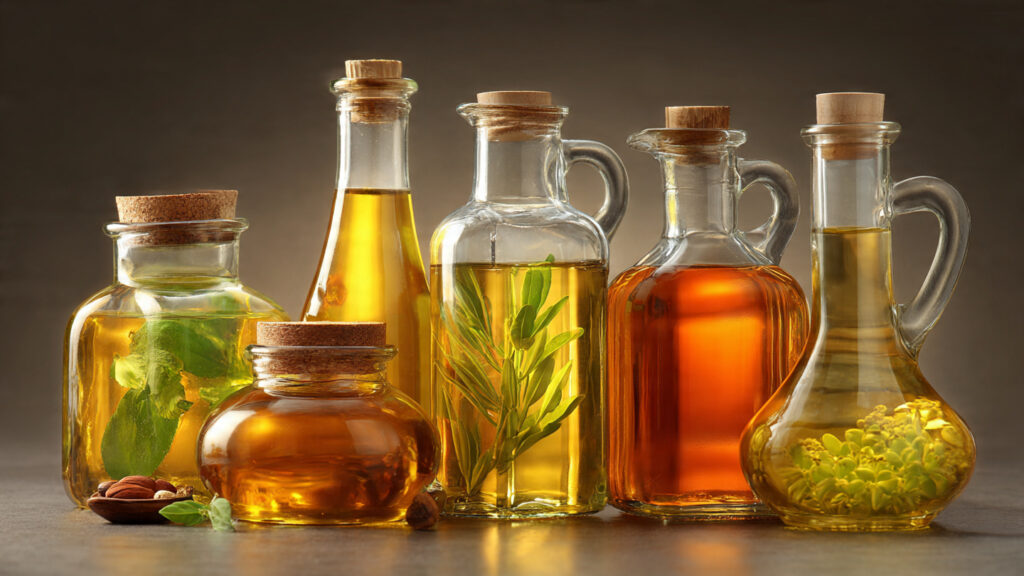
Cooking oils are essential in kitchens around the world, from frying and sautéing to salad dressings and baking. While many people focus on flavor and nutritional content, an often-overlooked factor is how heat affects the shelf life and safety of cooking oils. Understanding this relationship is critical not only for maintaining the quality of your meals but also for safeguarding your health. Heat can accelerate oil degradation, produce harmful compounds, and alter flavor. In this guide, we explore the effects of heat on cooking oils, the science behind it, and practical tips to extend their shelf life while keeping your cooking safe and healthy.
1. Understanding Cooking Oil Composition
Cooking oils are made primarily of fats, which are composed of fatty acids and glycerol. The type of fatty acids in an oil determines its stability and behavior under heat.
- Saturated Fats: Found in coconut oil, palm oil, and butter. These are the most heat-stable and less prone to oxidation, making them ideal for high-heat cooking.
- Monounsaturated Fats: Found in olive oil, avocado oil, and canola oil. These oils have moderate stability and are versatile for medium-heat cooking.
- Polyunsaturated Fats: Found in sunflower, corn, soybean, and flaxseed oils. These are more prone to heat damage due to multiple double bonds that react with oxygen.
The chemical structure of these oils influences how they degrade under heat, which in turn affects both their shelf life and safety.
2. How Heat Affects Cooking Oil
When exposed to heat, cooking oils undergo chemical and physical changes. The effects depend on the temperature, duration, and type of oil.
a) Oxidation
Heat accelerates the reaction between oils and oxygen, producing free radicals and peroxides. This oxidation process:
- Reduces nutritional value by destroying antioxidants
- Produces off-flavors and rancidity
- Can form potentially harmful compounds linked to inflammation and chronic diseases
Polyunsaturated oils are particularly vulnerable to oxidation, while saturated fats remain more stable at higher temperatures.
b) Hydrolysis
Water in foods or during frying can cause hydrolysis, breaking down triglycerides into free fatty acids and glycerol. This process:
- Increases acidity and off-flavors
- Produces smoke at lower temperatures
- Reduces oil quality and shelf life
c) Polymerization
Repeated heating, especially during deep frying, can cause polymerization, where fatty acids bond to form larger molecules. This thickens the oil, creates sticky residues, and produces compounds that may be harmful when ingested over time.
3. Signs of Heat-Induced Oil Degradation
Detecting oil degradation is essential for both safety and flavor. Signs include:
- Off-Smell: Rancid or burnt aroma indicates oxidation.
- Color Change: Darkening of oil is a common indicator of repeated heating.
- Viscosity: Thick, sticky oil signals polymerization.
- Foaming or Smoking: Excessive foaming or low smoke point may indicate breakdown.
Using degraded oil can compromise both the taste and safety of your meals.
4. Safe Temperature Guidelines
Different oils have different smoke points—the temperature at which they start to smoke and degrade. Understanding these points helps preserve oil quality:
| Oil Type | Smoke Point (°F / °C) | Best Use |
|---|---|---|
| Coconut Oil | 350°F / 177°C | Medium heat cooking, baking |
| Butter | 302°F / 150°C | Sautéing, low heat |
| Olive Oil (Extra Virgin) | 375°F / 190°C | Light frying, dressings |
| Canola Oil | 400°F / 204°C | Frying, general cooking |
| Peanut Oil | 450°F / 232°C | Deep frying |
| Avocado Oil | 520°F / 271°C | High-heat cooking |
Exceeding the smoke point not only degrades the oil but also produces harmful compounds like acrolein, which can irritate the eyes and lungs.
5. Repeated Heating and Deep Frying
Many home cooks and restaurants reuse oil for deep frying to save costs, but repeated heating accelerates degradation:
- Oils break down faster with each heating cycle
- Free fatty acids and polar compounds accumulate
- Smoke point decreases over time, increasing the risk of producing toxic compounds
Experts recommend limiting the reuse of oil for deep frying to 1–3 cycles, depending on the type of oil and the temperature used.
6. Storage and Shelf Life
Heat exposure isn’t limited to cooking; improper storage also shortens shelf life. Factors affecting oil stability include:
➡️ How to Grow Malabar Spinach from Cuttings for Fast, Easy Greens
➡️ How to Grow Super Delicious Cabbage at Home Without a Garden
➡️ How to Grow Bean Sprouts at Home in Plastic Bottles Easily (Step‑by‑Step Guide)
➡️ Why is Your Lemon Tree Blooming in the Heart of Winter?
➡️ Why Should Your Garden Have a Dedicated Pollinator Highway?
➡️ Why Do Your Fruit Trees Need a Winter Wash to Thrive in Spring?
➡️ How Can Rice Water Transform Your Fruits into Sweeter Delights?
➡️ Jumpstart Your Winter Garden: Seed Starting Under Lights
- Temperature: Store oils in a cool, dark place away from heat sources.
- Light: Sunlight accelerates oxidation, especially for polyunsaturated oils.
- Air: Oxygen promotes rancidity; always keep bottles tightly sealed.
By following proper storage practices, you can extend shelf life and maintain oil quality for months or even a year, depending on the type of oil.
7. Health Implications of Heat-Damaged Oil
Consuming degraded oils can impact health over time:
- Oxidized Oils: Linked to inflammation and oxidative stress.
- Trans Fats: High-heat frying can generate small amounts of trans fats in some oils, increasing cardiovascular risk.
- Acrylamide Formation: Cooking starchy foods at high heat in degraded oils may increase acrylamide, a compound associated with cancer risk.
Choosing stable oils and avoiding excessive heating is key to minimizing these risks.
8. Tips for Preserving Cooking Oil Quality
Choose the Right Oil for the Task:
- Use stable oils like avocado, peanut, or coconut for high-heat cooking.
- Reserve delicate oils like extra virgin olive or flaxseed for dressings or low-heat applications.
Monitor Temperature:
- Avoid overheating oils beyond their smoke point.
- Use a thermometer for deep frying to maintain a safe temperature range.
Limit Reuse:
- Strain oils after frying to remove food particles.
- Avoid reusing oil multiple times, especially for frying breaded or battered foods.
Proper Storage:
- Store oils in dark, airtight containers.
- Keep oils in a pantry away from stoves, ovens, or direct sunlight.
- Refrigerate sensitive oils like flaxseed or walnut to extend shelf life.
Rotate Stock:
- Practice “first in, first out” to ensure older bottles are used before they degrade.
- Smell and taste oils periodically to detect rancidity.
9. Understanding Oil Labels
When buying oils, check labels for:
- Refined vs. Unrefined: Refined oils have higher smoke points but may have fewer nutrients; unrefined oils retain more flavor and antioxidants but are more sensitive to heat.
- Expiration Date: Fresh oil ensures maximum quality.
- Storage Instructions: Follow manufacturer guidance for optimal shelf life.
Selecting the right oil type based on intended use is essential for safety and flavor.
10. Alternative Cooking Techniques
Reducing the stress of heat on cooking oils can also be achieved by adjusting cooking methods:
- Steaming and Boiling: These methods require little to no oil.
- Roasting with Minimal Oil: Use just enough oil to coat foods, reducing exposure.
- Air Frying: Uses hot air and minimal oil to achieve crispy textures without excessive degradation.
By adapting cooking methods, you can extend oil life and maintain a healthier kitchen environment.
11. Conclusion
Heat is a significant factor affecting both the shelf life and safety of cooking oils. Understanding the chemistry behind oil degradation, choosing the right oil for the task, monitoring temperature, and practicing proper storage can drastically improve the longevity and safety of oils in your kitchen.
By paying attention to smoke points, avoiding repeated heating, and storing oils properly, you preserve flavor, nutrition, and reduce the formation of harmful compounds. Whether frying, sautéing, or dressing salads, knowledge about heat and oil behavior empowers you to cook safely while maintaining quality in every dish.
Adopting these practices ensures that your oils remain fresh, your meals taste better, and your cooking remains a healthy part of your daily routine. From selecting the right oil to mindful storage and safe heating, every small step counts toward a safer, more efficient kitchen.