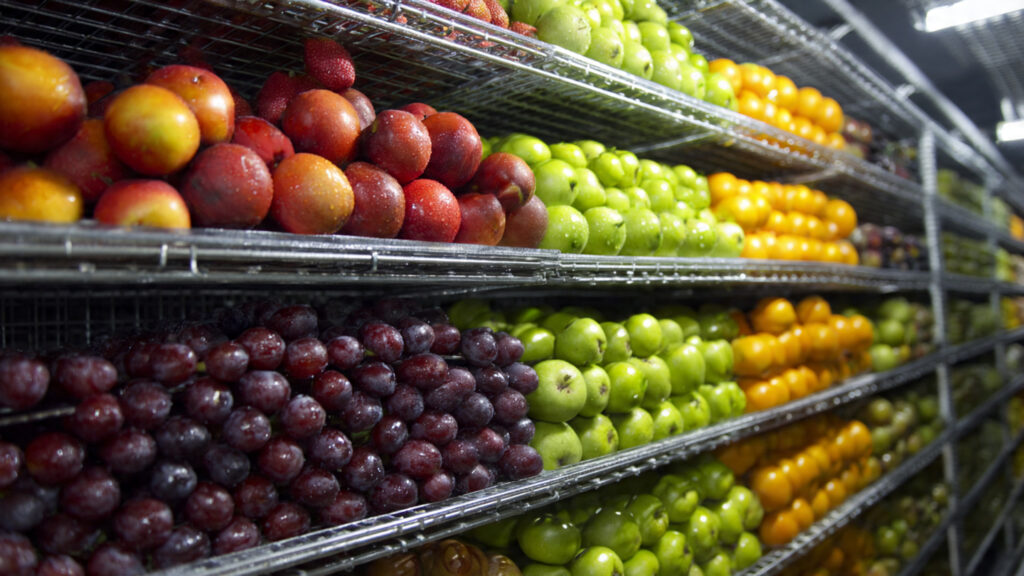
Fruits are delicate treasures of nature, packed with nutrients, flavor, and aroma. Yet, maintaining their freshness after harvest can be surprisingly challenging. One factor that is often underestimated by both small-scale growers and large distributors is overnight heat—the rise in temperature during nighttime hours that can occur in storage or transport environments. While a few degrees may seem insignificant, overnight heat can have profound effects on fruit quality, shelf-life, and even nutritional content. Understanding these effects is crucial for anyone aiming to preserve fruit freshness, reduce spoilage, and maximize market value.
Why Temperature Matters in Fruit Storage
Fruits are living organisms even after being harvested. They continue to respire, meaning they consume oxygen and release carbon dioxide, water, and heat. This respiration process is temperature-dependent:
- Cooler temperatures slow respiration: The slower the fruit metabolizes, the longer it retains freshness, texture, and nutrients.
- Higher temperatures accelerate ripening: Heat increases respiration, causing fruits to mature faster, soften prematurely, and deteriorate in quality.
Even brief exposure to heat, especially overnight when fruit is typically thought to be “safe” at rest, can trigger chemical and physiological changes that may not be immediately visible.
The Biological Impact of Overnight Heat
Several biological processes in fruits are sensitive to temperature fluctuations:
- Respiration Rate: Overnight heat boosts metabolic activity, increasing sugar breakdown and water loss. This can lead to early softening, shriveling, and off-flavors.
- Ethylene Production: Heat stimulates ethylene, a natural ripening hormone. Higher ethylene levels accelerate ripening and reduce storage life.
- Enzymatic Activity: Enzymes responsible for browning, softening, and fermentation become more active in warmer conditions, affecting appearance and texture.
For example, apples, pears, and peaches exposed to overnight heat may develop softer flesh and brown spots, while grapes and berries can lose firmness and water content rapidly. The effect is cumulative; repeated nights of elevated temperature can drastically shorten the time fruits remain marketable.
Types of Fruits Most Affected
Not all fruits respond the same way to overnight heat. Some are more heat-sensitive due to their water content, skin thickness, and respiration patterns:
- Berries (strawberries, blueberries, raspberries): Extremely delicate, with high water content and thin skin. Overnight heat can lead to mold growth and rapid spoilage.
- Stone fruits (peaches, plums, nectarines): Soft and highly sensitive to ethylene; heat accelerates ripening and softening.
- Tropical fruits (mangoes, papayas, bananas): Naturally warm-weather fruits, but even mild overnight heat in storage can speed up overripening and fermentative odors.
- Apples and pears: More resilient, but prolonged exposure to heat reduces firmness and shelf-life.
By contrast, fruits with thicker skins, such as melons and citrus, are somewhat more tolerant but still suffer quality loss if heat persists.
The Role of Humidity and Heat
Temperature doesn’t act alone; humidity interacts with heat to affect fruit storage:
- High heat and low humidity: Leads to water loss, shriveling, and weight reduction.
- High heat and high humidity: Promotes fungal and bacterial growth, resulting in rot and spoilage.
- Low heat fluctuations: Even mild temperature rises at night can cause condensation and moisture accumulation, creating microenvironments for mold.
Managing both temperature and humidity is therefore critical to maintain fruit quality, especially in storage units and warehouses.
Economic Implications
The effects of overnight heat are not only biological but also economic:
- Reduced shelf-life: Faster deterioration means fruits reach consumers sooner, leaving less time for sale and distribution.
- Lower market value: Softened, discolored, or shriveled fruits fetch lower prices in retail markets.
- Higher waste rates: Spoilage during storage or transport can result in substantial financial losses for growers, distributors, and retailers.
Studies estimate that improper temperature control during storage contributes to up to 30% post-harvest loss in some fruit supply chains, highlighting the importance of mitigating overnight heat effects.
Practical Measures to Minimize Heat Effects
Preventing the negative consequences of overnight heat requires a combination of careful planning, technology, and handling practices:
1. Temperature Monitoring
- Use thermometers and data loggers to track storage conditions continuously.
- Identify heat spikes during night hours and adjust cooling systems accordingly.
2. Proper Cooling and Ventilation
- Pre-cool fruits immediately after harvest to remove field heat.
- Ensure consistent airflow in storage units; stagnant air can trap heat in certain areas.
3. Segregation by Sensitivity
- Store heat-sensitive fruits separately from more tolerant ones.
- Avoid stacking in ways that trap heat in lower layers.
4. Use of Refrigerated Storage
- Cold storage units with controlled temperatures and humidity are ideal for prolonging freshness.
- Even small temperature reductions overnight can slow respiration and maintain firmness.
5. Protective Packaging
- Ventilated crates, breathable films, or moisture-absorbing pads can reduce heat stress and condensation.
- Avoid airtight packaging that traps heat and moisture, particularly in warm climates.
6. Strategic Harvesting
- Harvest during cooler parts of the day, such as early morning or late evening.
- Minimize time fruits spend exposed to ambient heat before reaching storage.
Signs of Heat Damage in Stored Fruits
Being able to identify early signs of heat damage helps reduce waste and maintain quality:
- Soft spots or mushy areas on fruits
- Wrinkling or shriveling due to water loss
- Discoloration, such as browning or dulling of skin
- Off odors, especially fermentation or sour smell in tropical fruits
- Increased susceptibility to mold and fungal infections
Early intervention, such as transferring affected batches to cooler environments, can sometimes save part of the produce.
Future Solutions and Innovations
As fruit supply chains modernize, innovations are helping mitigate overnight heat effects:
➡️ How to Grow Malabar Spinach from Cuttings for Fast, Easy Greens
➡️ How to Grow Super Delicious Cabbage at Home Without a Garden
➡️ How to Grow Bean Sprouts at Home in Plastic Bottles Easily (Step‑by‑Step Guide)
➡️ Why is Your Lemon Tree Blooming in the Heart of Winter?
➡️ Why Should Your Garden Have a Dedicated Pollinator Highway?
➡️ Why Do Your Fruit Trees Need a Winter Wash to Thrive in Spring?
➡️ How Can Rice Water Transform Your Fruits into Sweeter Delights?
➡️ Jumpstart Your Winter Garden: Seed Starting Under Lights
- Smart temperature sensors and AI-based cooling: Adjust conditions in real-time based on predictive models.
- Ethylene absorbers and inhibitors: Slow down ripening triggered by heat.
- Advanced packaging materials: Reduce temperature fluctuations and moisture buildup.
- Solar-powered cold storage: Particularly useful in regions with limited electricity but high daytime and nighttime temperature swings.
These solutions are bridging the gap between harvest and consumption, ensuring fruits reach tables fresher and longer-lasting.
Conclusion: The Subtle but Powerful Influence of Overnight Heat
Overnight heat may seem minor, but its effects on fruits in storage are profound. From accelerating ripening and softening to triggering microbial growth and reducing shelf-life, even short-term temperature spikes can undermine fruit quality and market value. By understanding the biological mechanisms, identifying vulnerable fruits, and implementing careful storage strategies, growers and distributors can mitigate these risks and preserve the bounty of their harvests.
Ultimately, successful fruit storage is a delicate dance with temperature and time. Recognizing the hidden power of overnight heat empowers anyone handling fruits—from small backyard gardeners to large-scale suppliers—to make informed decisions, reduce waste, and ensure consumers enjoy fresh, delicious produce every day.