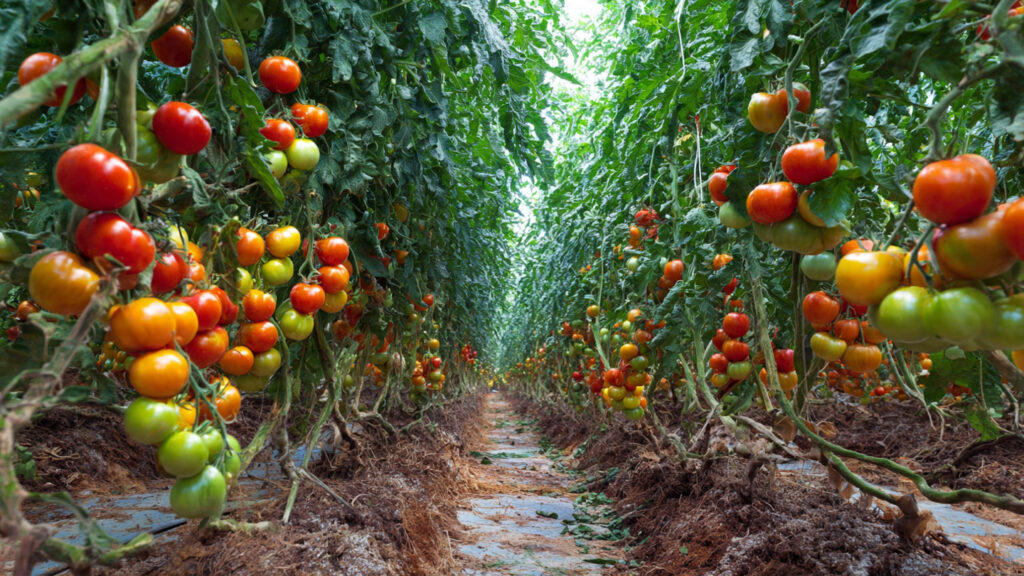
Tomatoes are one of the most popular and widely grown vegetables around the world. Their juicy fruits, versatility in the kitchen, and the sheer joy of harvesting them at home make tomatoes a favorite for gardeners. While most gardeners focus on the early stages of tomato growth—such as seed germination, transplanting, and initial flowering—many often overlook critical environmental factors that affect tomato growth midseason. These factors can drastically influence the quality, size, and quantity of your tomato harvest if not monitored and managed properly.
In this article, we’ll explore some environmental factors that often go unnoticed but play a significant role in midseason tomato growth. Understanding and optimizing these factors can help you enjoy a bountiful and healthy tomato harvest.
1. Temperature Fluctuations
Tomatoes are warm-season plants that thrive in temperatures between 70°F and 85°F (21°C to 29°C) during the day and slightly cooler at night. While many gardeners are aware of the need to avoid frost during early growth, midseason temperature fluctuations often go unnoticed.
- High temperatures above 90°F (32°C) can cause blossom drop, where flowers fail to set fruit. Prolonged heat can also reduce fruit size and delay ripening.
- Sudden cold snaps can slow plant metabolism, causing stunted growth or flower drop.
Tip: Use row covers or shade cloths to protect your tomatoes from extreme temperature swings. In particularly hot regions, watering in the early morning can help cool the soil and maintain a stable root environment.
2. Soil Moisture and Watering Practices
Tomatoes require consistent moisture for optimal fruit development, but midseason conditions can complicate watering schedules. Too much or too little water at this stage can cause problems:
- Inconsistent watering can lead to blossom end rot, a common disorder characterized by dark, sunken spots at the bottom of tomatoes.
- Overwatering reduces oxygen in the soil, weakening roots and increasing susceptibility to fungal diseases.
- Underwatering stresses the plant, leading to smaller fruits and slowed growth.
Tip: Aim for deep, infrequent watering rather than frequent shallow watering. Mulching around the base of your tomato plants can help retain soil moisture and regulate temperature.
3. Humidity Levels
Midseason often brings changes in humidity that can significantly affect tomato growth. Both excessively high and low humidity can create challenges:
- High humidity encourages fungal diseases such as early blight, late blight, and powdery mildew, especially in dense foliage.
- Low humidity can dry out flowers and prevent pollination, reducing fruit set.
Tip: Ensure good air circulation around your tomato plants by spacing them adequately and pruning lower leaves. If you live in a high-humidity area, consider using drip irrigation instead of overhead watering to minimize leaf wetness.
4. Sunlight Exposure
While tomatoes are sun-loving plants, midseason environmental conditions can alter sunlight intensity:
- Too little sunlight due to shading or extended cloudy periods can slow photosynthesis, leading to slower growth and fewer fruits.
- Too much intense sunlight, particularly in regions with scorching summer heat, can cause sunscald, where fruits develop pale, damaged patches.
Tip: If your tomatoes are in containers, move them to areas with consistent morning sun and some afternoon shade during peak heat. For in-ground tomatoes, consider temporary shading structures during heatwaves.
5. Wind and Airflow
Wind might seem like a minor factor, but it can significantly impact midseason tomato growth:
- Strong winds can physically damage plants, breaking stems or tearing leaves.
- Gentle airflow is actually beneficial, as it strengthens stems and promotes healthy gas exchange, reducing humidity-related diseases.
Tip: Use windbreaks such as fences or hedges to protect your tomato plants from strong gusts. Regular pruning can also enhance airflow within the plant canopy.
6. Nutrient Availability
Midseason is a critical phase where tomatoes transition from vegetative growth to heavy fruit production. Nutrient imbalances can show their effects prominently during this stage:
- Nitrogen deficiency can cause yellowing leaves and stunted growth.
- Excess nitrogen may promote lush leafy growth at the expense of flowers and fruits.
- Potassium and calcium deficiencies often result in poor fruit quality, including blossom end rot and uneven ripening.
Tip: Conduct a simple soil test midseason to adjust fertilizer applications. Using a balanced tomato fertilizer or organic compost ensures that plants get all necessary macro and micronutrients.
7. Soil pH Changes
Most gardeners test soil pH at planting, but midseason pH changes can occur due to watering, fertilization, or natural soil processes. Tomatoes prefer a slightly acidic pH of 6.0 to 6.8.
➡️ How to Grow Malabar Spinach from Cuttings for Fast, Easy Greens
➡️ How to Grow Super Delicious Cabbage at Home Without a Garden
➡️ How to Grow Bean Sprouts at Home in Plastic Bottles Easily (Step‑by‑Step Guide)
➡️ Why is Your Lemon Tree Blooming in the Heart of Winter?
➡️ Why Should Your Garden Have a Dedicated Pollinator Highway?
➡️ Why Do Your Fruit Trees Need a Winter Wash to Thrive in Spring?
➡️ How Can Rice Water Transform Your Fruits into Sweeter Delights?
➡️ Jumpstart Your Winter Garden: Seed Starting Under Lights
- Acidic soils (pH < 6.0) can limit nutrient availability, leading to deficiencies.
- Alkaline soils (pH > 7.0) can similarly restrict essential nutrients, affecting fruit growth and flavor.
Tip: Use pH testing kits midseason to monitor changes. Lime can raise pH if soil is too acidic, and sulfur can lower it if too alkaline.
8. Pests and Disease Pressure
Midseason is also the peak time for many tomato pests and diseases. Even well-maintained plants can suddenly face infestations or infections due to environmental triggers:
- Whiteflies, aphids, and spider mites thrive in hot, dry conditions.
- Fungal infections such as septoria leaf spot increase with high humidity and poor airflow.
- Bacterial infections can spread rapidly in overly wet conditions.
Tip: Inspect your plants regularly for early signs of pests or diseases. Integrated pest management (IPM) strategies, including natural predators, neem oil, and crop rotation, can help manage threats without harming beneficial insects.
9. Pollination Challenges
Tomatoes are self-pollinating, but midseason environmental factors can still interfere with fruit set:
- High temperatures can reduce pollen viability.
- Excessive humidity can make pollen sticky, preventing effective transfer.
- Strong winds or heavy rains can wash away pollen before pollination occurs.
Tip: You can manually aid pollination by gently shaking flowers or using a small battery-operated pollinator to vibrate the blossoms, ensuring better fruit set during challenging conditions.
10. Soil Compaction and Root Health
Midseason soil compaction often goes unnoticed but can seriously affect tomato growth:
- Compacted soil reduces oxygen availability to roots, slowing nutrient uptake.
- Heavy rains or repeated foot traffic around the base can worsen compaction, stressing the plant.
Tip: Mulching and adding organic matter can loosen the soil naturally. Avoid walking between rows frequently, or use stepping stones to minimize soil disturbance.
11. Microclimate Variations
Even within a single garden, microclimates can develop due to proximity to walls, reflective surfaces, or shade from taller plants:
- Tomatoes in shaded or cooler microclimates may lag behind their sun-exposed counterparts.
- Areas with reflected heat from walls or pavements can lead to localized sunscald or excessive drying.
Tip: Observe your garden midseason to identify microclimates. Adjust plant placement, shade, or watering accordingly for consistent growth.
Conclusion
Midseason tomato growth is influenced by a combination of subtle and often overlooked environmental factors. Temperature fluctuations, soil moisture, humidity, sunlight, airflow, nutrient availability, pH changes, pest pressure, pollination challenges, soil compaction, and microclimate variations all play a critical role in determining fruit quality and yield.
By paying attention to these factors, you can intervene proactively, ensuring your tomato plants stay healthy and productive throughout the season. Regular monitoring, timely adjustments, and preventive care will make midseason challenges manageable and allow you to enjoy a bountiful, juicy, and flavorful tomato harvest that you can be proud of.