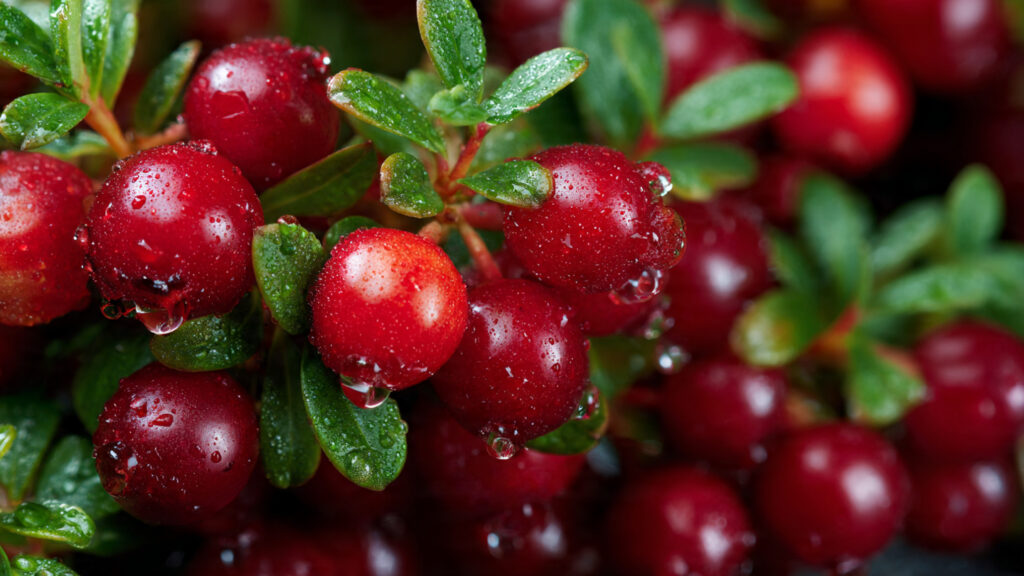
Lingonberries (Vaccinium vitis-idaea) are small, vibrant red berries celebrated for their tart flavor, nutritional benefits, and versatility in culinary use. Native to northern Europe, Scandinavia, and North America, these hardy evergreen shrubs have become increasingly popular among home gardeners for their attractive foliage, easy maintenance, and high-value fruit production. Lingonberries are not only a delight to eat—they also provide a beautiful groundcover effect with glossy green leaves that turn reddish in the fall.
Cultivating lingonberries in your garden requires careful attention to soil, light, watering, and fertilization, as well as patience and proper pruning. This guide provides essential tips for successful lingonberry cultivation, helping both beginner and experienced gardeners enjoy a thriving, productive crop.
Understanding Lingonberries
Before diving into cultivation, it’s important to understand the growth habits and requirements of lingonberries:
- Plant type: Lingonberries are low-growing evergreen shrubs, usually 6–12 inches tall, spreading 12–24 inches wide.
- Climate: They are cold-hardy plants, tolerating temperatures down to -40°F (-40°C). They thrive in temperate regions with cool summers and cold winters.
- Soil preference: Lingonberries require acidic, well-draining soil with a pH between 4.2 and 5.5.
- Sunlight: Full sun to partial shade works best, though partial shade can help in hotter climates.
- Pollination: Many varieties are self-fertile, but planting more than one cultivar improves berry yield and size.
Understanding these traits ensures proper placement and care for your lingonberry patch.
Step 1: Selecting the Right Variety
Choosing the correct lingonberry variety is key to successful fruit production:
- ‘Koralle’: A vigorous, upright variety producing abundant berries.
- ‘Red Pearl’: Compact growth habit suitable for smaller gardens or containers.
- ‘Erntedank’: Heavy fruiting, ideal for larger patches or commercial use.
- ‘Igloo’: Low-growing, attractive foliage, and reliable berry production.
- ‘Glace’: Produces pale pink berries with a mild flavor, perfect for ornamental purposes.
Selecting a variety adapted to your climate and garden size helps maximize yield and ease of care.
Step 2: Choosing the Right Location
Lingonberries thrive when environmental conditions are suitable:
- Sunlight: Choose a location with full sun to partial shade. Full sun ensures the highest fruit yield, while partial shade protects leaves in hot summer regions.
- Protection: Avoid areas exposed to strong winds that can damage delicate branches.
- Spacing: Plant shrubs 12–24 inches apart to allow for air circulation and future spread.
- Soil: Ensure the chosen site has acidic, well-draining soil. Avoid heavy clay or alkaline soil unless amended.
Proper site selection sets the foundation for a healthy, productive lingonberry patch.
Step 3: Preparing the Soil
Lingonberries are highly sensitive to soil conditions, so preparation is critical:
- Acidic soil: Adjust soil pH with elemental sulfur or peat moss if needed.
- Well-draining soil: Incorporate sand or pine bark to improve drainage. Lingonberries dislike waterlogged roots.
- Organic matter: Enrich soil with compost or well-rotted peat to enhance fertility and retain moisture.
- Raised beds (optional): Ideal for clay-heavy or poorly draining soils, promoting aeration and root health.
Well-prepared soil ensures vigorous growth, strong root development, and abundant berry production.
Step 4: Planting Lingonberries
Planting correctly ensures rapid establishment and reduces transplant shock:
- Timing: Plant in early spring or late fall when the soil is workable and temperatures are mild.
- Depth: Set plants at the same depth they were in their nursery container.
- Spacing: Maintain 12–24 inches between plants to accommodate spreading over time.
- Watering: Water thoroughly immediately after planting to settle soil around roots.
- Mulching: Apply a 2–3 inch layer of pine needles, bark, or straw to retain moisture and maintain soil acidity.
Correct planting techniques set the stage for long-term growth and fruiting success.
Step 5: Watering and Moisture Management
Lingonberries prefer consistently moist soil without waterlogging:
- Regular watering: Keep soil evenly moist during the growing season, particularly during establishment and fruiting.
- Avoid soggy soil: Waterlogged roots can lead to rot and fungal diseases.
- Mulch to retain moisture: Organic mulch reduces evaporation and helps regulate soil temperature.
- Container plants: Check soil frequently, as potted lingonberries dry out faster than in-ground plants.
Balanced moisture promotes healthy leaves, strong flowering, and large, juicy berries.
Step 6: Fertilization for Fruit Production
Proper nutrition ensures high-quality berry yield:
➡️ How to Grow Malabar Spinach from Cuttings for Fast, Easy Greens
➡️ How to Grow Super Delicious Cabbage at Home Without a Garden
➡️ How to Grow Bean Sprouts at Home in Plastic Bottles Easily (Step‑by‑Step Guide)
➡️ Why is Your Lemon Tree Blooming in the Heart of Winter?
➡️ Why Should Your Garden Have a Dedicated Pollinator Highway?
➡️ Why Do Your Fruit Trees Need a Winter Wash to Thrive in Spring?
➡️ How Can Rice Water Transform Your Fruits into Sweeter Delights?
➡️ Jumpstart Your Winter Garden: Seed Starting Under Lights
- Low-nitrogen fertilizer: Lingonberries prefer fertilizers low in nitrogen but rich in phosphorus and potassium. Excess nitrogen encourages foliage growth at the expense of flowers and fruit.
- Timing: Apply fertilizer in early spring and mid-summer for best results.
- Organic options: Compost, peat moss, or well-rotted manure supports growth and maintains soil acidity.
- Avoid chemical overuse: Lingonberries are sensitive to salts; over-fertilization can damage roots.
Feeding appropriately ensures vigorous growth, early flowering, and abundant fruit set.
Step 7: Pruning and Maintenance
Pruning maintains plant health, encourages fruiting, and improves airflow:
- Remove dead or damaged branches: Prevents disease and pest infestations.
- Thin overcrowded branches: Enhances sunlight penetration and promotes berry ripening.
- Minimal pruning: Lingonberries are slow-growing and do not require heavy pruning; light trimming is sufficient to maintain shape.
- Annual maintenance: Remove weak shoots in late winter to promote strong new growth.
Regular, careful pruning keeps plants productive and attractive year-round.
Step 8: Pollination
While many lingonberry varieties are self-fertile, cross-pollination improves berry yield and size:
- Plant multiple cultivars: Introducing two or more compatible varieties enhances pollination.
- Attract pollinators: Bees are essential for effective pollination; avoid using pesticides during flowering.
- Timing: Lingonberries bloom in late spring, so ensure pollinators are active during this period.
Effective pollination is key to maximizing fruit production in your garden.
Step 9: Pest and Disease Management
Lingonberries are hardy but can face some common garden pests and diseases:
- Fungal diseases: Leaf spot, root rot, and powdery mildew may appear in damp conditions. Ensure good airflow and avoid overhead watering.
- Pests: Aphids, spider mites, and caterpillars may occasionally feed on leaves; treat early with organic insecticidal sprays if necessary.
- Bird protection: Birds are attracted to ripe berries. Netting or garden mesh protects fruit during harvest season.
- Regular inspection: Check plants weekly to catch issues early and prevent loss of yield.
Proactive management ensures your lingonberries stay healthy and productive.
Step 10: Harvesting Lingonberries
Knowing when and how to harvest ensures the best flavor and storage potential:
- Ripeness: Berries are bright red and firm when ready to pick, usually in late summer to early fall.
- Harvesting technique: Gently pick berries by hand to avoid damaging the shrub or unripe fruit.
- Storage: Lingonberries store well in the refrigerator for several weeks and can also be frozen or preserved as jams and sauces.
- Post-harvest care: Mulch and light watering after harvest support continued growth and prepare plants for winter dormancy.
Regular harvesting encourages continued flowering and prepares plants for the following season.
Benefits of Growing Lingonberries at Home
Lingonberries provide numerous advantages for home gardeners:
- Nutritional value: Rich in vitamins, antioxidants, and fiber.
- Low maintenance: Once established, lingonberries are hardy and easy to care for.
- Evergreen foliage: Adds year-round beauty to gardens, turning reddish in fall.
- Versatile use: Berries can be used in sauces, jams, baked goods, and beverages.
- Suitable for small spaces: Perfect for containers, raised beds, or small garden plots.
Growing lingonberries combines aesthetic appeal, nutritional benefits, and culinary versatility, making them a rewarding addition to any garden.
Final Thoughts
Lingonberries are an exceptional choice for gardeners seeking beautiful, low-maintenance, and productive fruit shrubs. By selecting the right variety, providing acidic, well-draining soil, maintaining consistent moisture, ensuring proper fertilization, and practicing careful pruning and pest management, you can cultivate a thriving lingonberry patch in your garden.
Whether grown in containers, raised beds, or ground plots, lingonberries offer the perfect blend of ornamental appeal and delicious, nutritious fruit. With patience and attention to detail, home gardeners can enjoy abundant harvests year after year while enhancing the beauty of their garden with evergreen, vibrant foliage.
Successful lingonberry cultivation rewards gardeners with both visual splendor and culinary delights, proving that even small garden spaces can yield big results.