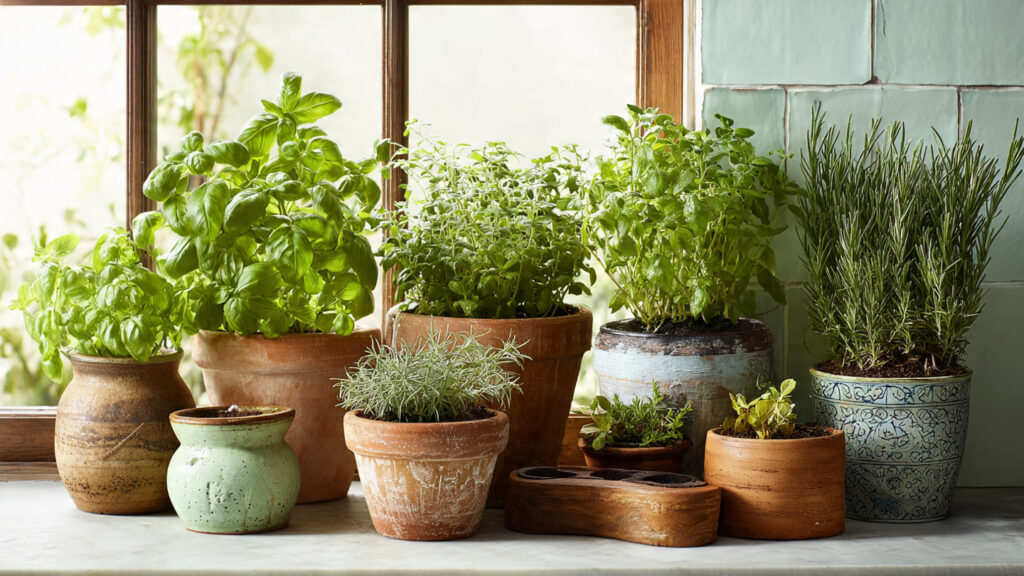
There’s nothing quite like the aroma of fresh basil, thyme, or rosemary wafting through your kitchen while cooking. Indoor herb gardens bring this freshness into your home all year, offering convenience, flavor, and beauty. Whether you’re a beginner or an experienced gardener, starting and maintaining a thriving indoor herb garden is easier than you might think. Experts reveal the essential steps, tips, and tricks to grow healthy herbs year-round, no matter your space.
Why Grow Herbs Indoors?
Indoor herb gardening is not just a trend—it’s practical and rewarding. Some key benefits include:
- Freshness and flavor: Snip leaves as needed for meals, providing vibrant flavors that store-bought herbs often lack.
- Cost savings: Growing your own herbs reduces the need for frequent grocery trips.
- Year-round access: No matter the season, herbs like parsley, chives, and oregano can thrive indoors.
- Aesthetic appeal: Potted herbs brighten up kitchens, windowsills, or indoor plant shelves with greenery and fragrant scents.
- Health benefits: Many herbs, such as basil and mint, have antioxidant properties and can enhance home remedies.
With the right planning, indoor herbs can flourish even in limited spaces, making them ideal for apartments, urban homes, or any indoor setting.
Choosing the Right Herbs for Indoor Gardening
Not all herbs are equally suited for indoor conditions. Experts recommend starting with herbs that adapt well to containers and moderate light. Popular options include:
- Basil: Fast-growing and versatile, perfect for cooking and salads.
- Chives: Hardy, requiring minimal care, and perfect for garnishes.
- Parsley: Thrives in pots and tolerates moderate sunlight.
- Thyme: Compact and slow-growing, ideal for small containers.
- Mint: Vigorous and fragrant, though it’s best grown in its own pot to prevent spreading.
- Rosemary: Woody, aromatic, and visually striking, though it prefers bright light.
Choosing herbs suited for your environment increases success and minimizes frustration.
Selecting Containers and Soil
The right container and soil are crucial for indoor herb success. Experts recommend:
- Containers with drainage holes: Prevents waterlogging and root rot.
- Size matters: A 6–8 inch pot is suitable for most herbs; larger pots allow deeper root growth.
- Soil type: Use light, well-draining potting mix rather than garden soil. Mixing in perlite or vermiculite improves aeration and moisture retention.
Proper soil and containers ensure your herbs receive adequate nutrients, water, and root space, which is essential for year-round growth.
Providing Adequate Light
Light is one of the most critical factors for indoor herb growth. Experts suggest:
- Bright, indirect sunlight: Most herbs need 6–8 hours of light per day.
- South-facing windows: Ideal for maximizing natural sunlight.
- Supplemental lighting: Use LED or fluorescent grow lights for areas with limited natural light, especially during winter months.
Rotate pots regularly to ensure even growth and prevent herbs from leaning toward the light source.
Watering and Humidity Tips
Proper watering keeps herbs healthy without encouraging disease. Guidelines include:
- Water consistently but moderately: Keep soil slightly moist, not soggy.
- Check the soil: Water when the top inch feels dry to the touch.
- Avoid wetting foliage excessively: Watering at the base prevents fungal issues.
- Humidity: Herbs like basil and mint prefer moderate humidity. Use a tray with water and pebbles or occasional misting if indoor air is dry.
Balanced watering and humidity control reduce stress on plants and prevent common problems like root rot or yellowing leaves.
Fertilizing for Year-Round Growth
Indoor herbs benefit from regular feeding to thrive continuously:
- Use a balanced, water-soluble fertilizer every 2–4 weeks during the growing season.
- Reduce feeding in winter for slow-growing herbs, as over-fertilization can damage plants.
- Consider organic options like compost tea or fish emulsion for nutrient-rich, gentle feeding.
Regular fertilization supports lush foliage, vibrant color, and flavorful leaves.
Pruning and Harvesting Techniques
Pruning is both a maintenance task and a way to encourage healthy growth. Experts advise:
- Regular harvesting: Snip leaves frequently to promote bushier growth.
- Pinching tips: Remove flowers from herbs like basil to prevent woody stems and maintain flavor.
- Prune with clean scissors: Prevents disease transmission and promotes healthy regrowth.
Harvesting correctly not only provides fresh herbs but also keeps plants strong and productive year-round.
➡️ How to Grow Malabar Spinach from Cuttings for Fast, Easy Greens
➡️ How to Grow Super Delicious Cabbage at Home Without a Garden
➡️ How to Grow Bean Sprouts at Home in Plastic Bottles Easily (Step‑by‑Step Guide)
➡️ Why is Your Lemon Tree Blooming in the Heart of Winter?
➡️ Why Should Your Garden Have a Dedicated Pollinator Highway?
➡️ Why Do Your Fruit Trees Need a Winter Wash to Thrive in Spring?
➡️ How Can Rice Water Transform Your Fruits into Sweeter Delights?
➡️ Jumpstart Your Winter Garden: Seed Starting Under Lights
Pest Management for Indoor Herbs
Even indoors, herbs can attract pests like aphids, spider mites, and whiteflies. Tips to keep plants pest-free include:
- Inspect plants regularly for early signs of infestation.
- Neem oil or insecticidal soap can treat minor infestations naturally.
- Cleanliness: Remove dead leaves and debris to minimize hiding spots for pests.
Healthy herbs free from pests are more vigorous and flavorful, contributing to a successful indoor garden.
Seasonal Care for Year-Round Success
Indoor herbs can thrive throughout the year with slight seasonal adjustments:
- Winter: Provide supplemental lighting, reduce watering slightly, and maintain moderate indoor temperatures.
- Spring/Summer: Rotate herbs outdoors temporarily for natural sunlight exposure and fresh air.
- Temperature: Most herbs prefer 65–75°F (18–24°C). Avoid drafts and extreme heat from radiators.
Adapting care routines to seasonal changes ensures consistent growth and productivity.
Creative Indoor Herb Garden Ideas
Making your herb garden functional and attractive can enhance your indoor space:
- Windowsill garden: Perfect for herbs needing bright light.
- Tiered planters: Maximize vertical space and grow multiple varieties.
- Hanging baskets: Ideal for trailing herbs like oregano or thyme.
- Kitchen countertop garden: Keeps herbs accessible for cooking while adding greenery.
These creative setups allow you to enjoy fresh herbs while complementing your home decor.
Tips from Experts for Long-Term Success
Experts share these insider tips for maintaining a thriving indoor herb garden:
- Rotate pots for even growth and airflow.
- Keep soil slightly acidic for most culinary herbs.
- Repot herbs every 12–18 months to refresh soil and encourage strong roots.
- Avoid overcrowding containers to reduce competition for nutrients.
- Maintain consistent watering and light schedules for year-round productivity.
Following these guidelines increases your chances of cultivating a vibrant, resilient indoor herb garden.
Conclusion
Starting an indoor herb garden brings fresh flavors, natural beauty, and year-round greenery into your home. By choosing the right herbs, containers, and soil, providing adequate light and moisture, and following proper pruning, fertilization, and pest control practices, anyone can maintain a thriving indoor garden.
Whether you’re cooking with fragrant basil, garnishing with chives, or infusing dishes with rosemary, indoor herbs offer unmatched convenience, taste, and visual appeal. With consistent care and expert tips, your indoor herb garden can flourish through all seasons, transforming your home into a fragrant, flavorful, and vibrant oasis.