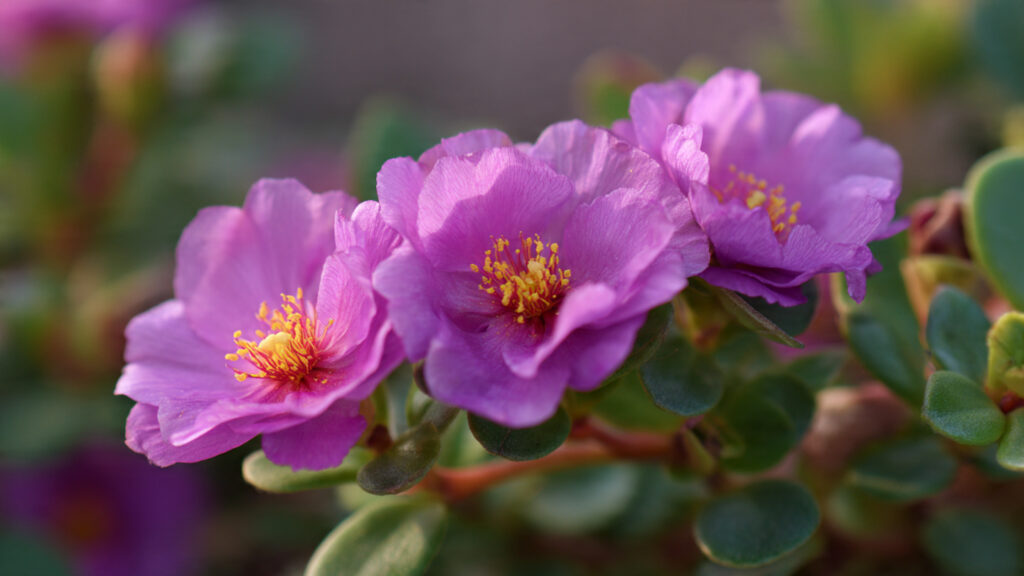
Portulaca (Portulaca grandiflora), commonly known as moss rose, is a vibrant, low-growing succulent that brings bright splashes of color to gardens, patios, and containers. Its hardy nature, drought tolerance, and prolific blooms make it a favorite among gardeners. While Portulaca can be grown from seeds, propagating it from cuttings is often faster, easier, and ensures that the new plants retain the same flower colors and characteristics as the parent plant.
This guide explores effective techniques for growing Portulaca from cuttings, including selecting healthy parent plants, preparing cuttings, rooting, planting, and caring for young plants to achieve lush, thriving growth.
Why Propagate Portulaca from Cuttings?
Propagating from cuttings has several advantages:
- Faster growth – Cuttings establish more quickly than seeds, allowing blooms in the same season.
- Clonal reproduction – Maintains the exact flower color and form of the parent plant.
- High success rate – Portulaca roots easily, making it ideal for beginners.
- Economical and convenient – Expand your garden without buying new plants.
Understanding these benefits encourages gardeners to use cuttings as the primary method of propagation.
Selecting Healthy Parent Plants
The first step in successful propagation is choosing robust, healthy parent plants:
- Look for vigorous plants with strong, healthy stems and vibrant leaves.
- Avoid plants that show signs of disease, pest infestations, or nutrient deficiencies.
- Plants that are actively growing, rather than dormant, produce the best cuttings.
Healthy parent plants increase the chances of rooting success and produce vigorous, blooming offspring.
Preparing Portulaca Cuttings
Proper preparation of cuttings is essential for successful rooting:
1. Timing
- The best time to take cuttings is spring or early summer, when the plant is actively growing.
- Morning is ideal because stems are hydrated and turgid.
2. Cutting Selection
- Choose non-flowering stems for cuttings, as flowers can divert energy from root development.
- Cut 3–5 inch sections with at least 3–4 leaf nodes.
- Use sharp, sterilized scissors or pruners to prevent crushing and reduce disease risk.
3. Leaf Preparation
- Remove the leaves from the bottom half of the cutting to prevent rot when planted.
- Retain 1–2 leaves at the top to support photosynthesis during early root development.
4. Optional Rooting Hormone
- Although Portulaca roots readily without hormones, dipping the cut end in rooting hormone powder can encourage faster, stronger root formation.
Rooting Techniques for Portulaca Cuttings
Portulaca cuttings are resilient and can root in various mediums, both in soil and water:
1. Soil Propagation
- Use a well-draining, sandy soil mix or cactus/succulent mix.
- Plant cuttings 1–2 inches deep, ensuring nodes are in contact with the soil.
- Water lightly to settle the soil around the cutting.
- Maintain warm temperatures (70–85°F / 21–29°C) and indirect sunlight.
Advantages:
- Stronger initial root system, less transplant shock.
- Reduced risk of rot compared to water rooting if drainage is good.
2. Water Propagation
- Place cuttings in a shallow container with water covering just the stem base.
- Change the water every 2–3 days to prevent bacterial growth.
- Once roots are 1–2 inches long, transplant into soil.
Advantages:
- Easy to monitor root development.
- Can be done indoors without soil preparation.
Environmental Conditions for Successful Rooting
Creating optimal conditions improves rooting speed and survival:
1. Light
- Provide bright, indirect sunlight.
- Avoid direct, harsh sunlight, which can stress cuttings.
2. Temperature
- Keep cuttings in warm environments between 70–85°F (21–29°C).
- Avoid cold drafts or sudden temperature changes, which slow root development.
3. Humidity
- Maintain moderate humidity to prevent desiccation, especially for cuttings rooted in soil.
- Use a transparent plastic dome or bag to increase humidity, but allow airflow to prevent fungal growth.
Watering Cuttings
Proper watering is critical:
- Soil cuttings: Keep the medium lightly moist but not waterlogged. Too much water can lead to stem rot.
- Water cuttings: Refresh water regularly to maintain cleanliness and oxygen levels.
- After roots develop, gradually reduce humidity and water moderately to encourage strong root establishment.
Transplanting Rooted Cuttings
Once cuttings have developed healthy roots (typically 2–4 weeks):
- Prepare well-draining soil in containers or garden beds.
- Dig small holes and gently plant cuttings, taking care not to damage delicate roots.
- Water lightly to settle soil and reduce transplant shock.
- Place in partial shade for 2–3 days, gradually acclimating to full sun.
Successful transplantation sets the stage for vigorous growth and abundant blooms.
Fertilization and Growth Support
Fertilizing young plants encourages strong growth:
➡️ How to Grow Malabar Spinach from Cuttings for Fast, Easy Greens
➡️ How to Grow Super Delicious Cabbage at Home Without a Garden
➡️ How to Grow Bean Sprouts at Home in Plastic Bottles Easily (Step‑by‑Step Guide)
➡️ Why is Your Lemon Tree Blooming in the Heart of Winter?
➡️ Why Should Your Garden Have a Dedicated Pollinator Highway?
➡️ Why Do Your Fruit Trees Need a Winter Wash to Thrive in Spring?
➡️ How Can Rice Water Transform Your Fruits into Sweeter Delights?
➡️ Jumpstart Your Winter Garden: Seed Starting Under Lights
- Use a balanced, water-soluble fertilizer diluted to half strength once roots are established.
- Fertilize every 2–3 weeks during the growing season.
- Avoid over-fertilization, which can lead to lush foliage at the expense of flowering.
Nutrient-rich soil helps cuttings grow quickly into mature, flowering plants.
Maintenance and Care of Established Plants
After cuttings are established, proper care ensures long-term success:
- Sunlight: Provide full sun for best flowering (6–8 hours daily).
- Watering: Water regularly during dry periods, but allow soil to dry between watering. Portulaca is drought-tolerant and does not like soggy soil.
- Deadheading: Remove spent flowers to encourage continuous blooming.
- Pest management: Watch for aphids or spider mites, which can affect young plants. Use insecticidal soap if necessary.
Consistent care ensures vibrant, long-lasting blooms and healthy growth.
Common Mistakes to Avoid
- Overwatering – Leads to stem rot and failed cuttings.
- Excess shade – Slows root formation and reduces flowering potential.
- Planting too deep – Can cause rot; stem nodes must contact soil, but top leaves should stay above ground.
- Neglecting acclimation – Gradually exposing rooted cuttings to full sun prevents sunburn.
Awareness of these pitfalls increases the success rate of propagation.
Tips for Maximizing Success
- Take cuttings from healthy, disease-free plants.
- Use sterile tools to prevent infections.
- Propagate in warm, well-lit conditions for faster rooting.
- Maintain moderate humidity but provide airflow to prevent mold.
- Monitor cuttings closely and transplant promptly once roots are established.
Following these tips ensures cuttings develop into strong, flowering Portulaca plants.
Conclusion
Growing Portulaca from cuttings is an efficient, rewarding method that allows gardeners to expand their collection and enjoy vibrant, low-maintenance blooms. By selecting healthy parent plants, preparing cuttings properly, providing optimal rooting conditions, and giving young plants consistent care, you can propagate robust Portulaca plants in a single growing season.
Whether you use soil or water propagation, the key is attention to detail: proper moisture, temperature, light, and hygiene all contribute to healthy root development. Once established, these cuttings grow quickly into colorful, drought-tolerant plants that enhance any garden, container, or hanging basket.
With patience and careful technique, propagating Portulaca from cuttings allows gardeners to enjoy continuous blooms, resilient growth, and a thriving garden display, making it an ideal choice for both beginners and experienced gardeners alike.