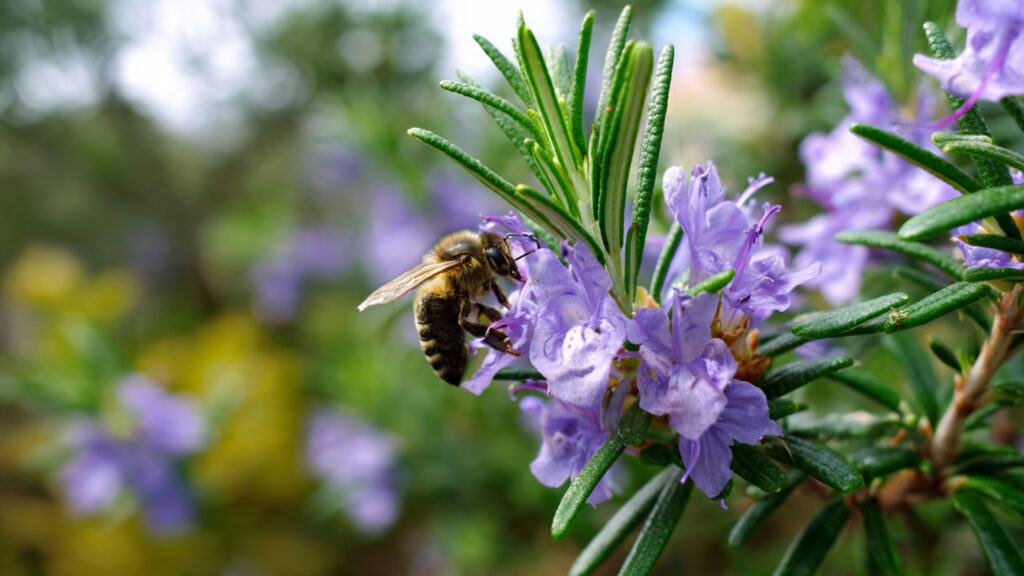
If you already grow rosemary in your garden, you’re halfway to creating a pollinator paradise. This fragrant, evergreen herb is not only a kitchen favorite but also a magnet for bees and other beneficial insects. Known scientifically as Salvia rosmarinus (formerly Rosmarinus officinalis), rosemary produces nectar-rich flowers that bloom generously, especially in warm climates.
But here’s the secret: rosemary becomes even more powerful when paired with the right companion herbs. By planting certain herbs next to your rosemary, you can turn a simple herb bed into a buzzing ecosystem filled with bees, butterflies, hoverflies, and other helpful pollinators.
Let’s explore how to design a pollinator-friendly herb garden — and which herbs to plant next to rosemary for the best results.
Why Pollinators Matter in Your Garden
Pollinators are essential for food production and plant reproduction. Bees, butterflies, moths, beetles, and even some birds transfer pollen from flower to flower, enabling fruits and seeds to form.
Without pollinators:
- Vegetable yields drop
- Fruit trees produce less
- Seed production declines
- Garden biodiversity suffers
By intentionally planting herbs that attract pollinators, you improve not only your herb garden but your entire yard.
Why Rosemary Is a Perfect Pollinator Anchor Plant
Rosemary has several qualities that make it an ideal foundation for a pollinator-friendly bed:
- Long blooming period
- Abundant nectar
- Drought tolerance
- Evergreen foliage
- Strong scent that attracts beneficial insects
Bees especially love rosemary flowers. On warm days, you’ll often see honeybees actively foraging among its pale blue blooms.
To amplify this effect, you can plant complementary herbs nearby that bloom at different times and offer varied nectar sources.
1. Lavender – The Pollinator Powerhouse
Lavender is one of the best companions for rosemary. Both plants thrive in similar conditions: full sun, well-draining soil, and minimal watering once established.
Why lavender works:
- Long flowering season
- Strong fragrance
- High nectar production
- Attracts bees and butterflies
Plant lavender alongside rosemary to create a Mediterranean-style herb border. The combination of purple lavender spikes and rosemary’s blue flowers is both beautiful and beneficial.
2. Thyme – Low-Growing Nectar Carpet
Thyme is a low-growing herb that thrives in the same dry, sunny conditions as rosemary. When thyme blooms, it produces clusters of tiny flowers that are irresistible to bees.
Benefits of planting thyme near rosemary:
- Acts as living ground cover
- Suppresses weeds
- Blooms heavily in spring and summer
- Provides nectar for small pollinators
Creeping thyme varieties are especially effective at forming a pollinator-friendly carpet beneath taller herbs.
➡️ How to Grow Malabar Spinach from Cuttings for Fast, Easy Greens
➡️ How to Grow Super Delicious Cabbage at Home Without a Garden
➡️ How to Grow Bean Sprouts at Home in Plastic Bottles Easily (Step‑by‑Step Guide)
➡️ Why is Your Lemon Tree Blooming in the Heart of Winter?
➡️ Why Should Your Garden Have a Dedicated Pollinator Highway?
➡️ Why Do Your Fruit Trees Need a Winter Wash to Thrive in Spring?
➡️ How Can Rice Water Transform Your Fruits into Sweeter Delights?
➡️ Jumpstart Your Winter Garden: Seed Starting Under Lights
3. Oregano – A Bee Magnet in Bloom
Oregano may seem like a simple kitchen herb, but once it flowers, it becomes a pollinator hotspot.
Oregano produces clusters of pink or purple flowers that:
- Attract honeybees
- Draw hoverflies (which help control aphids)
- Encourage beneficial predatory insects
Allow some oregano plants to flower instead of harvesting them constantly. The pollinators will reward you with increased activity in your garden.
4. Sage – Close Cousin With Big Impact
Sage belongs to the same botanical family as rosemary. Like rosemary, it thrives in sunny, well-drained soil.
When sage blooms, it produces striking purple or blue flower spikes that attract:
- Bumblebees
- Native bees
- Butterflies
Because sage and rosemary have similar care requirements, they make excellent companion plants. Together, they create a low-maintenance pollinator zone.
5. Basil – Summer Pollinator Booster
Basil is often harvested before it flowers, but if you allow some plants to bloom, they become excellent nectar sources.
Basil flowers:
- Attract bees and small pollinators
- Provide food during mid-to-late summer
- Increase biodiversity
Plant basil near rosemary to ensure nectar availability during peak heat, when some other herbs may slow down.
6. Mint – Powerful but Controlled
Mint is a vigorous grower and should be planted carefully (preferably in containers). However, when mint blooms, it becomes a pollinator favorite.
Mint flowers:
- Produce abundant nectar
- Attract bees and beneficial wasps
- Extend flowering season
Keep mint contained, but place the pot near rosemary to add diversity to your pollinator patch.
7. Borage – The Bee Superplant
Borage is often described as one of the best plants for bees. Its star-shaped blue flowers continuously refill with nectar, making it especially attractive to pollinators.
Why plant borage near rosemary:
- Extremely bee-friendly
- Long blooming season
- Self-seeding annual
- Improves soil health
Borage’s bright blue flowers complement rosemary beautifully while dramatically increasing bee traffic.
How to Arrange These Herbs for Maximum Pollinator Impact
Simply planting herbs randomly won’t give you the best results. Thoughtful design helps pollinators move efficiently and encourages longer visits.
1. Group Plants in Clusters
Pollinators prefer clusters of the same plant rather than scattered single specimens. Plant at least 3–5 of each herb together.
2. Stagger Bloom Times
Choose herbs that flower at different times:
- Early: Rosemary, thyme
- Mid-season: Lavender, sage
- Late season: Basil, oregano, mint
This ensures continuous nectar supply.
3. Keep It Sunny
Most pollinator-friendly herbs prefer full sun. Ensure your rosemary and companion herbs receive at least 6–8 hours of sunlight daily.
4. Avoid Pesticides
Chemical sprays can harm beneficial insects. Instead:
- Use neem oil sparingly
- Encourage natural predators
- Maintain healthy soil
A thriving herb garden naturally balances pests over time.
Extra Tips for a Pollinator-Filled Garden
Beyond planting the right herbs, consider these additions:
- Add a shallow water source with pebbles
- Leave some bare soil for ground-nesting bees
- Plant flowering herbs in succession
- Allow some plants to bolt and flower
Remember: A perfectly manicured garden isn’t always the most pollinator-friendly one. A little wildness helps.
What You’ll Notice After Planting These Herbs
Within weeks of establishing these companion herbs, you’ll likely observe:
- Increased bee activity
- More butterflies
- Improved vegetable yields
- Stronger, healthier plants
Pollinators not only help flowers reproduce — they also increase fruit production in nearby crops like tomatoes, peppers, cucumbers, and squash.
The Bigger Ecological Impact
Creating a rosemary-centered pollinator bed contributes to local biodiversity. Urban and suburban gardens can serve as critical habitats for declining pollinator populations.
By planting nectar-rich herbs:
- You reduce pressure on wild habitats
- Support native bee species
- Improve local ecosystem resilience
Even a small herb patch can make a significant difference.
Final Thoughts
Rosemary is more than just a culinary staple — it’s a gateway plant for building a thriving pollinator garden. When paired with lavender, thyme, oregano, sage, basil, mint, and borage, it becomes the heart of a vibrant ecosystem.
The beauty of this approach is simplicity. These herbs are easy to grow, drought-tolerant, and highly productive. With minimal effort, you can transform your garden into a buzzing sanctuary filled with life.
Start by planting just two or three companion herbs next to your rosemary this season. Observe the changes. Watch the bees arrive. Notice how your garden begins to hum with activity.