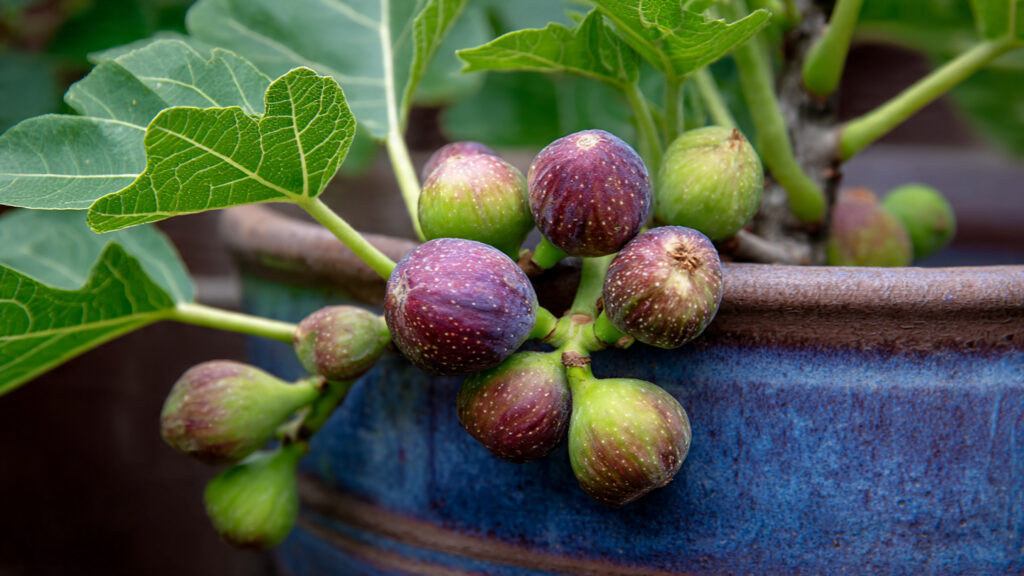
Figs are one of the most delicious and rewarding fruits you can grow at home. Their soft, honey-like sweetness feels like a taste of the Mediterranean—yet you don’t need a warm orchard or a huge backyard to enjoy them.
The best part?
Figs grow beautifully in containers, making them perfect for balconies, patios, small gardens, and even colder climates where fruit trees usually struggle.
Whether you live in a sunny tropical region or a chilly northern town, container gardening makes it possible to harvest fresh figs almost anywhere.
Let’s explore exactly how you can grow figs successfully in pots—no matter where you live.
Why Figs Are Perfect for Container Growing
Figs are naturally well-suited for pots because:
- They tolerate root restriction better than many fruit trees
- They grow fast and produce fruit early
- They thrive in warm, sunny spots like patios and balconies
- Containers allow you to move them indoors during winter
In fact, growing figs in containers often leads to better fruit production, because slightly restricted roots encourage the tree to focus on fruit instead of endless leafy growth.
Choosing the Right Fig Variety for Containers
Not all fig trees are created equal. Some varieties stay compact and perform especially well in pots.
Here are top container-friendly fig varieties:
1. Brown Turkey
- One of the easiest figs for beginners
- Produces sweet, medium-sized fruit
- Cold-hardy and reliable
2. Celeste
- Compact growth
- Very sweet fruit
- Excellent for smaller pots
3. Chicago Hardy
- Best choice for cold climates
- Can survive freezing winters when protected
4. Petite Negra
- Naturally dwarf variety
- Perfect for patios and balconies
When buying a fig tree, always look for self-pollinating varieties, since most container gardeners won’t have fig wasps for pollination.
Picking the Perfect Container
The container size matters a lot when growing figs.
Best Pot Size
- Start with at least a 15–20 gallon container
- Mature fig trees may need 25–30 gallons
A pot that is too small will dry out quickly and limit fruiting.
Container Materials
- Terracotta: Breathable but dries out faster
- Plastic: Lightweight and retains moisture
- Wood barrels: Great insulation and stylish
Drainage is Essential
Your pot must have drainage holes. Figs hate sitting in soggy soil, which leads to root rot.
Tip: Place small stones or broken pottery pieces at the bottom to improve drainage.
The Best Soil Mix for Container Figs
Figs need soil that holds moisture but drains well.
A great potting mix includes:
➡️ How to Grow Malabar Spinach from Cuttings for Fast, Easy Greens
➡️ How to Grow Super Delicious Cabbage at Home Without a Garden
➡️ How to Grow Bean Sprouts at Home in Plastic Bottles Easily (Step‑by‑Step Guide)
➡️ Why is Your Lemon Tree Blooming in the Heart of Winter?
➡️ Why Should Your Garden Have a Dedicated Pollinator Highway?
➡️ Why Do Your Fruit Trees Need a Winter Wash to Thrive in Spring?
➡️ How Can Rice Water Transform Your Fruits into Sweeter Delights?
➡️ Jumpstart Your Winter Garden: Seed Starting Under Lights
- 50% high-quality potting soil
- 25% compost or aged manure
- 25% perlite or sand for drainage
Avoid heavy garden soil, which becomes compacted in containers.
Adding a handful of organic mulch on top helps retain moisture and keeps roots cool.
Sunlight: The Secret to Sweet Figs
Figs are sun lovers.
For the best fruit:
☀️ Give your fig tree 6–8 hours of full sunlight daily
The more sun it gets, the sweeter your figs will be.
If you live in an apartment, place your container in the sunniest spot—south-facing balconies work wonderfully.
In low-sun areas, you may need to supplement with a grow light indoors.
Watering Container Fig Trees Properly
Watering is one of the most important parts of fig care.
General Rule
Water deeply when the top 2 inches of soil feel dry.
During summer, container figs may need watering:
- Every day in hot climates
- Every 2–3 days in mild climates
Signs your fig needs water:
- Drooping leaves
- Dry, cracking soil
- Small or falling fruit
But don’t overwater—constantly wet soil can cause root problems.
Feeding Your Fig Tree for Big Harvests
Container figs depend on you for nutrients.
Best Fertilizer Schedule
- Early spring: balanced fertilizer (10-10-10)
- Mid-summer: compost tea or organic fruit fertilizer
- Late summer: stop feeding to prepare for dormancy
Too much nitrogen will create huge leaves but fewer fruits.
Organic options like compost, worm castings, and fish emulsion work beautifully.
Pruning and Shaping for Container Success
Pruning keeps your fig tree manageable and productive.
When to Prune
- Late winter or early spring (before new growth)
How to Prune
- Remove dead or weak branches
- Keep the tree open for airflow
- Limit height to 4–6 feet for easy harvesting
Container figs benefit from a bushy shape rather than tall tree form.
Regular pruning also encourages more fruiting wood.
Growing Figs in Cold Climates
Yes—you can grow figs even if winters freeze!
The key is mobility.
Winter Protection Tips
- Move pots into a garage, basement, or sunroom
- Keep temperatures between 30–45°F for dormancy
- Water only once a month during winter
In very cold areas, wrap the container with burlap or insulation.
Hardy varieties like Chicago Hardy are ideal for these climates.
Common Problems (and Easy Fixes)
1. Yellow Leaves
Usually caused by overwatering or poor drainage.
Fix: Let soil dry slightly and improve airflow.
2. No Fruit
Causes include:
- Too little sun
- Too much fertilizer
- Tree is still young
Fix: Give more sunlight and reduce nitrogen feeding.
3. Fruit Dropping Early
Often due to inconsistent watering.
Fix: Keep watering steady during fruit development.
4. Pests
Container figs may attract:
- Aphids
- Spider mites
- Scale insects
Fix: Use neem oil spray or insecticidal soap.
Harvesting Fresh Figs at Home
Figs do not ripen after picking, so timing matters.
How to Know They’re Ready
- Fruit becomes soft and droops downward
- Skin color deepens
- A sweet aroma develops
Pick gently—fresh figs bruise easily.
And the reward?
A warm fig straight from your own tree tastes like pure luxury.
Final Thoughts: Fresh Figs Are Possible Anywhere
Growing figs in containers is one of the most satisfying ways to enjoy homegrown fruit, no matter where you live.
With the right variety, plenty of sunshine, proper watering, and winter protection, you can harvest bowls of sweet, juicy figs even from a balcony or small patio.
So don’t wait for the “perfect climate.”
Your fig tree can travel with you—bringing fresh fruit and Mediterranean charm right to your doorstep.
🌿 A pot, a sunny corner, and a little care… and you’ll be enjoying fresh figs anywhere.