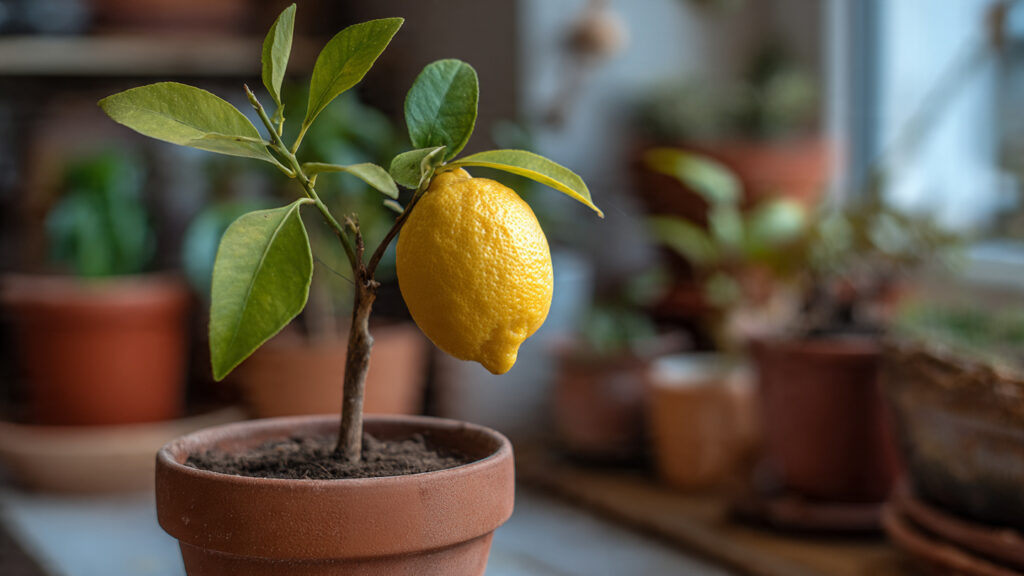
Have you ever wondered if that bright, tangy lemon sitting on your kitchen counter could become a full-grown lemon tree right at home? Believe it or not, it’s entirely possible! With a little patience, care, and the right technique, you can transform a simple kitchen lemon into a thriving fruit-bearing tree. Growing a lemon tree from a fresh lemon not only brings freshness to your home but also adds beauty and a touch of greenery to your indoor or outdoor space.
This article will guide you step by step, from extracting the seeds to nurturing a young lemon tree into a healthy plant ready to flourish in your garden or on your balcony.
Why Grow a Lemon Tree From a Fresh Lemon?
Starting a lemon tree from seed has several benefits, especially for home gardeners:
- Cost-effective: You can grow a lemon tree without purchasing saplings or nursery plants.
- Satisfying process: Watching a tree grow from a tiny seed is a rewarding experience for both kids and adults.
- Organic growth: You have complete control over how your tree is nurtured, avoiding chemical pesticides or fertilizers.
- Decorative appeal: Lemon trees with glossy green leaves and fragrant blossoms can enhance your garden or indoor space aesthetically.
While growing from seed requires patience—fruits may take 3–5 years to appear—it’s an enjoyable and educational journey that teaches you about nature’s wonders.
Choosing the Right Lemon
Not all lemons are created equal when it comes to growing a tree. For the best results, choose:
- Fresh, ripe lemons – Organic lemons are preferable because store-bought ones may have been treated to prevent sprouting.
- Healthy fruit – Look for lemons that are firm and free of spots, mold, or damage.
- Juicy lemons – Seeds from juicy, well-developed lemons are more likely to germinate successfully.
Once you have your ideal lemon, it’s time to extract the seeds and prepare them for planting.
Extracting and Preparing Lemon Seeds
The first step in growing a lemon tree from scratch is extracting viable seeds from the fruit. Follow these steps carefully:
- Cut the lemon – Slice the lemon and remove the seeds gently. Avoid cutting or damaging the seeds.
- Clean the seeds – Rinse seeds under running water to remove pulp, which can promote mold growth.
- Optional soaking – Soaking seeds in warm water for 8–12 hours can help speed up germination.
- Peel the outer coating – Some gardeners carefully remove the tough outer coating of the seed. This step is optional but can improve germination rates.
Once your seeds are prepared, it’s time to plant them.
Planting Lemon Seeds at Home
Planting lemon seeds is simple, but proper care during the early stages is crucial. Here’s how:
- Use a small pot – Start with a pot about 3–4 inches deep with drainage holes.
- Choose quality soil – Use a well-draining potting mix, ideally rich in organic matter. A mix of sand, compost, and garden soil works well.
- Plant the seeds – Insert seeds about ½ inch deep in the soil. Cover lightly and water gently.
- Keep warm and moist – Lemon seeds need warmth to germinate, ideally around 70–75°F (21–24°C). Covering the pot with a clear plastic bag can create a mini-greenhouse effect.
Germination may take 2–4 weeks, so patience is key. Keep the soil consistently moist but not waterlogged.
Caring for Your Seedling
Once your lemon seed sprouts, careful attention will help it thrive:
- Provide sunlight – Lemon seedlings need 8–12 hours of bright, indirect sunlight daily. If indoors, place the pot near a south-facing window or use grow lights.
- Water properly – Maintain slightly moist soil but avoid overwatering. Let the top layer dry between waterings.
- Thin seedlings – If multiple seeds sprout in one pot, thin them to leave the strongest plant.
- Fertilize gently – Once the seedling has a few sets of true leaves, apply a diluted, balanced liquid fertilizer every 3–4 weeks.
Consistent care during this stage ensures a strong root system and healthy foliage.
Transplanting to a Bigger Pot or Garden
After 6–12 months of growth, your lemon seedling will likely outgrow its starter pot. Transplanting allows the roots to expand and encourages further growth:
- Choose a larger container – A pot 12–18 inches wide is ideal for container gardening. Ensure good drainage.
- Prepare garden soil – If planting outside, choose a sunny, sheltered location with well-draining soil. Avoid low spots where water collects.
- Transplant carefully – Gently remove the seedling, preserving the root ball, and plant it in the new pot or garden bed.
- Water thoroughly – After transplanting, water well to help the plant settle into its new home.
With proper transplanting, your lemon tree will continue to grow vigorously.
Encouraging Flowering and Fruit
Growing a lemon tree from seed is just the beginning. To eventually enjoy lemons, you’ll want to encourage flowering and fruiting:
➡️ How to Grow Malabar Spinach from Cuttings for Fast, Easy Greens
➡️ How to Grow Super Delicious Cabbage at Home Without a Garden
➡️ How to Grow Bean Sprouts at Home in Plastic Bottles Easily (Step‑by‑Step Guide)
➡️ Why is Your Lemon Tree Blooming in the Heart of Winter?
➡️ Why Should Your Garden Have a Dedicated Pollinator Highway?
➡️ Why Do Your Fruit Trees Need a Winter Wash to Thrive in Spring?
➡️ How Can Rice Water Transform Your Fruits into Sweeter Delights?
➡️ Jumpstart Your Winter Garden: Seed Starting Under Lights
- Pruning – Trim long or weak branches to maintain shape and improve airflow.
- Sunlight – Ensure your tree receives full sunlight for at least 6–8 hours daily.
- Pollination – If grown indoors, gently transfer pollen from one flower to another using a soft brush to help fruit set.
- Fertilization – Use a citrus-specific fertilizer high in nitrogen, phosphorus, and potassium to support flowering and fruit development.
Patience is essential; seed-grown lemon trees typically take 3–5 years to bear fruit. However, the care and attention you provide will pay off in sweet, home-grown lemons.
Common Challenges and Solutions
Home gardeners often face a few challenges when growing lemon trees from seeds. Here’s how to overcome them:
- Slow germination – Ensure seeds are fresh and warm, and keep soil consistently moist.
- Pests – Aphids, spider mites, and scale insects can affect young plants. Use neem oil or insecticidal soap for control.
- Yellowing leaves – Usually caused by overwatering or nutrient deficiency. Adjust watering and feed with balanced fertilizer.
- Leggy growth – Insufficient sunlight can make seedlings tall and weak. Move them to a brighter location.
By monitoring your tree and addressing problems early, you can maintain healthy growth.
Tips for Indoor Lemon Trees
Many home gardeners grow lemon trees in pots indoors. Here are some additional tips:
- Rotate the pot regularly to ensure even sunlight exposure.
- Use a saucer under the pot to catch excess water.
- During winter, reduce watering slightly and move the plant to a warmer spot.
- Prune lightly to maintain a manageable size.
Indoor lemon trees can thrive and even produce flowers and fruits with the right care.
The Joy of Homegrown Lemons
There’s something magical about growing a lemon tree from a fruit in your kitchen. Watching tiny seeds develop into seedlings and eventually bearing fruit is an incredibly rewarding process. Beyond the practical benefits of fresh lemons, this journey connects you with nature and teaches patience, responsibility, and the rewards of consistent care.
A home-grown lemon tree can enhance your cooking, provide fragrant blossoms, and even serve as a natural air purifier. Plus, the satisfaction of knowing you grew it yourself—from seed to fruit—is unmatched.
Final Thoughts
Transforming a fresh lemon from your kitchen into a thriving lemon tree is not just possible—it’s a delightful adventure. With the right seeds, soil, sunlight, and care, home gardeners can enjoy the full experience of nurturing a plant from seed to fruit-bearing tree. Whether you have a small balcony, garden, or indoor space, growing a lemon tree at home is achievable and immensely rewarding.
So the next time you enjoy a lemon in your tea or salad, consider planting its seeds. With a little patience and love, your kitchen citrus could soon be giving you fresh lemons for years to come.