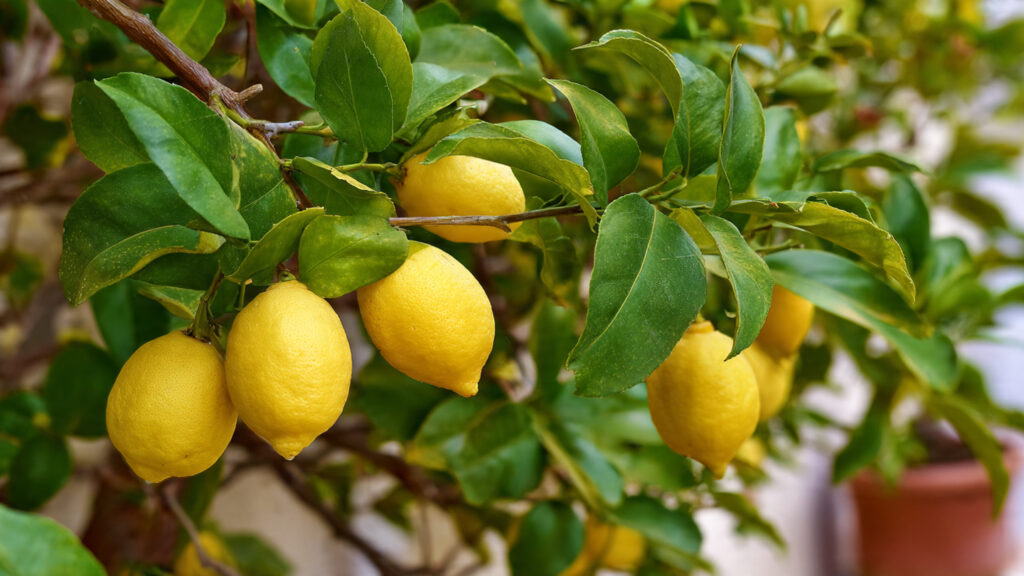
Imagine transforming the citrus fruits from your kitchen into a thriving lemon tree in your garden. Growing a lemon tree from a lemon fruit is not only possible—it’s an enjoyable and educational experience for gardeners of all levels. With proper techniques, care, and patience, you can take a simple lemon seed from a kitchen lemon and cultivate a healthy tree that may reward you with fruit in a few years. This guide provides a complete step-by-step approach to growing a lemon tree from a lemon fruit, making the process easy and accessible.
Why Grow a Lemon Tree from a Lemon?
Growing a lemon tree from seeds has several advantages:
- Sustainability: Reuse seeds from kitchen lemons instead of discarding them.
- Cost-Effective: No need to purchase saplings or nursery plants.
- Educational: A hands-on experience that teaches plant biology and patience.
- Customization: You can experiment with different lemon varieties like Eureka, Lisbon, or Meyer.
Though growing from seeds takes longer than buying a sapling, it is a rewarding project that allows you to witness the full life cycle of a lemon tree—from seed to harvest.
Selecting the Right Lemon Fruit
Not all lemons are ideal for seed propagation. Horticulturists recommend:
- Organic or pesticide-free lemons to avoid chemical treatments that may prevent germination.
- Healthy, ripe fruits for stronger, viable seeds.
- Avoid processed or store-bought lemons that have been treated with growth inhibitors.
By choosing a fresh, healthy lemon, you increase the chances of successfully sprouting a seed.
Extracting and Preparing Lemon Seeds
The first step in growing a lemon tree from a lemon fruit is preparing the seeds for planting.
Step 1: Seed Extraction
- Slice the lemon and remove seeds carefully.
- Rinse seeds under lukewarm water to remove pulp, which can encourage mold.
Step 2: Seed Selection
- Discard any seeds that are discolored or damaged. Healthy seeds are firm, plump, and cream-colored.
Step 3: Optional Pre-Germination
- Some gardeners prefer to soak seeds in water for 12–24 hours to soften the outer coating.
- Another method is to wrap seeds in a damp paper towel inside a plastic bag for a few days until a tiny sprout appears.
This preparation increases the likelihood of successful germination.
Choosing the Right Container and Soil
Lemon seeds require a nurturing environment for healthy growth. Horticulturists recommend:
- Containers: Start with small pots (3–4 inches in diameter) with drainage holes. Later, transplant seedlings to larger pots or garden beds.
- Soil: Use well-draining, nutrient-rich potting mix. Adding perlite or sand improves aeration and prevents waterlogging.
Planting Depth:
- Sow seeds about ½ inch deep in the soil.
- Cover lightly with soil and water gently.
Placing the container in a warm, sunny location is essential, as lemon seeds need consistent warmth to sprout.
Germination and Early Care
Lemon seeds can take 2–4 weeks to germinate, depending on temperature and seed quality. During this phase, proper care is critical.
Tips for Successful Germination:
- Light: Provide bright, indirect sunlight. A south-facing window or grow light works well.
- Watering: Keep the soil consistently moist but not soggy. Overwatering can lead to rot.
- Temperature: Maintain warmth around 70–75°F (21–24°C).
Once seedlings emerge, continue providing light and water. Avoid moving the pots frequently, as young seedlings are delicate.
Transplanting Seedlings
After 4–6 true leaves appear, your lemon seedlings are ready for transplanting into larger pots or garden beds.
Transplanting Steps:
- Choose a pot at least 12 inches deep or a well-prepared garden hole.
- Gently remove the seedling with minimal disturbance to roots.
- Plant in fresh, well-draining soil, and water thoroughly.
Transplanting ensures the young lemon tree has enough space for root development and healthy growth.
Pruning and Shaping Your Lemon Tree
Pruning is key to growing a healthy, productive lemon tree. Horticulturists suggest:
- Initial Pruning: When the tree is 12–18 inches tall, pinch the tip of the main stem to encourage lateral branching.
- Shaping: Maintain an open, bushy structure for sunlight penetration and airflow.
- Maintenance Pruning: Remove dead, damaged, or overcrowded branches regularly.
Proper pruning not only promotes stronger growth but also improves flower and fruit production in the future.
➡️ How to Grow Malabar Spinach from Cuttings for Fast, Easy Greens
➡️ How to Grow Super Delicious Cabbage at Home Without a Garden
➡️ How to Grow Bean Sprouts at Home in Plastic Bottles Easily (Step‑by‑Step Guide)
➡️ Why is Your Lemon Tree Blooming in the Heart of Winter?
➡️ Why Should Your Garden Have a Dedicated Pollinator Highway?
➡️ Why Do Your Fruit Trees Need a Winter Wash to Thrive in Spring?
➡️ How Can Rice Water Transform Your Fruits into Sweeter Delights?
➡️ Jumpstart Your Winter Garden: Seed Starting Under Lights
Fertilization and Soil Nutrition
Lemon trees are nutrient-demanding, especially during growth and fruiting stages.
Fertilization Guidelines:
- Use a citrus-specific NPK fertilizer (6:6:6 or 8:8:8) every 6–8 weeks.
- Supplement with organic compost or well-rotted manure to enhance soil fertility.
- Ensure micronutrients like magnesium, zinc, and iron are available for healthy foliage and flowers.
Consistent soil nutrition is essential for developing strong roots, leaves, flowers, and ultimately juicy lemons.
Watering and Light Requirements
Watering and sunlight are critical for lemon tree health:
- Watering: Keep soil evenly moist, especially for young trees. Deep watering encourages deep root development. Reduce watering slightly during cooler months.
- Sunlight: Lemon trees require 8–10 hours of direct sunlight daily for optimal growth. Use supplemental grow lights if natural sunlight is insufficient.
Horticulturists emphasize that light and water are equally important—too little of either can stunt growth and delay flowering.
Flowering and Pollination
Lemon trees grown from seed may take 2–5 years to produce flowers. While the wait requires patience, the process is rewarding.
Tips to Encourage Flowering:
- Ensure full sunlight and balanced fertilization.
- Maintain slightly warm temperatures (65–80°F / 18–27°C).
- For indoor plants, gentle hand-pollination with a small brush can improve fruit set.
Flowers are fragrant and attract beneficial insects if grown outdoors, signaling the start of fruit development.
Fruit Development and Harvesting
Once pollinated, small green fruits form and gradually grow into mature lemons over 6–9 months. Harvesting at the right stage ensures the best flavor and nutrition.
Harvesting Tips:
- Fruits are ready when fully yellow and slightly soft to touch.
- Gently twist or cut fruits to avoid damaging branches.
- Regular harvesting encourages continued flowering and fruit production.
A well-cared-for lemon tree can produce multiple harvests per year, rewarding patience and dedication.
Common Challenges and Solutions
Growing a lemon tree from a lemon fruit comes with some challenges:
- Slow Growth: Seed-grown trees take longer to mature than nursery saplings. Patience is key.
- Pests: Aphids, scale, and spider mites may attack. Organic insecticidal soaps or neem oil can control infestations.
- Fungal Diseases: Overwatering and poor air circulation can cause root rot or leaf spots. Ensure proper drainage and airflow.
- Yellow Leaves: Often caused by nutrient deficiencies; supplement with a balanced fertilizer or micronutrients.
By proactively monitoring your tree and adjusting care, these challenges are manageable.
Benefits of Growing a Lemon Tree from Seed
- Sustainability: Reduces food waste and promotes eco-friendly gardening.
- Cost Savings: Seeds from kitchen lemons are free, unlike purchasing saplings.
- Learning Experience: Observe the full life cycle of a fruit tree.
- Aesthetic Value: Lemon trees add greenery and fragrance to your home or garden.
- Fresh Produce: Homegrown lemons are chemical-free and flavorful.
Conclusion
Growing a lemon tree from a lemon fruit is a rewarding journey that combines patience, care, and horticultural know-how. By selecting healthy seeds, preparing soil properly, providing sunlight, water, and nutrition, and practicing pruning and maintenance, you can cultivate a healthy lemon tree from kitchen scraps. While seed-grown trees take time to bear fruit, the experience of nurturing a plant from seed to harvest is invaluable.
With dedication and attention, your lemon tree will not only beautify your space but also provide fresh, aromatic lemons for years to come. From kitchen to garden, this project transforms everyday fruit into a sustainable and productive garden treasure.