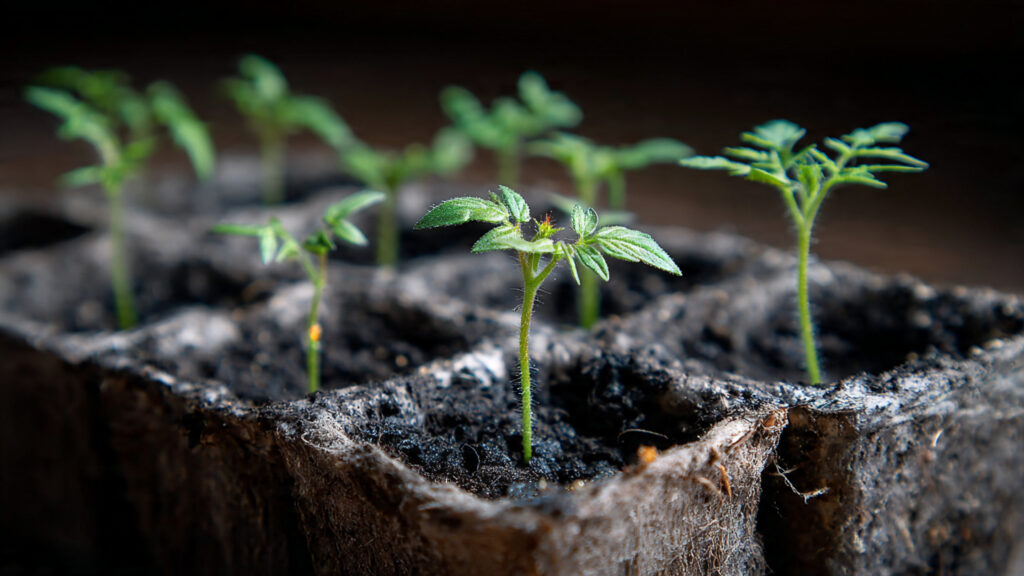
Growing tomatoes from seed is one of the most satisfying experiences in gardening. Instead of buying young plants from a nursery, starting from seed gives you more variety, stronger plants, and the joy of watching life begin right in your home.
Tomato seeds are easy to germinate when given the right conditions: warmth, moisture, and patience. With a few simple tools and the right technique, even a first-time gardener can enjoy healthy sprouts in just a week or two.
Why Start Tomatoes From Seed?
Before we dig into the how, let’s talk about why starting tomatoes from seed is worth it.
More Variety
Seed catalogs offer hundreds of tomato types—cherry, beefsteak, heirloom, striped, purple, and even tiny patio varieties you won’t find in stores.
Stronger Plants
Seed-grown tomatoes adapt early to your environment, often producing hardier plants than nursery starts.
Cost-Effective
A packet of seeds can grow dozens of plants for the price of one store-bought seedling.
Pure Gardening Joy
Watching that first green sprout break through the soil feels like a small miracle.
Understanding Tomato Seed Germination
Germination is the process where a seed wakes up, absorbs water, and begins growing into a seedling.
Tomato seeds need three main things:
- Warmth
- Moisture
- Air
Light is not required until after the seed has sprouted.
Most tomato seeds germinate in 5–10 days, depending on temperature and variety.
When Should You Start Tomato Seeds?
Timing matters.
Tomatoes are warm-season plants and cannot tolerate frost. Start your seeds indoors about:
6–8 weeks before your last expected frost date
For many gardeners, this means late winter to early spring.
If you start too early, plants may become leggy indoors. Too late, and you’ll shorten your growing season.
➡️ How to Grow Malabar Spinach from Cuttings for Fast, Easy Greens
➡️ How to Grow Super Delicious Cabbage at Home Without a Garden
➡️ How to Grow Bean Sprouts at Home in Plastic Bottles Easily (Step‑by‑Step Guide)
➡️ Why is Your Lemon Tree Blooming in the Heart of Winter?
➡️ Why Should Your Garden Have a Dedicated Pollinator Highway?
➡️ Why Do Your Fruit Trees Need a Winter Wash to Thrive in Spring?
➡️ How Can Rice Water Transform Your Fruits into Sweeter Delights?
➡️ Jumpstart Your Winter Garden: Seed Starting Under Lights
What You’ll Need to Germinate Tomato Seeds
You don’t need fancy equipment, just a few basics:
- Tomato seeds (fresh and high-quality)
- Seed-starting mix (light and fluffy, not heavy garden soil)
- Small containers or seed trays
- Spray bottle or gentle watering can
- Plastic dome or clear cover (optional)
- Warm location or heating mat
- Plant labels (trust me, you’ll forget what you planted)
Step-by-Step Guide to Germinating Tomato Seeds
Let’s get into the fun part.
Step 1: Choose the Right Seeds
Pick tomato varieties suited to your space:
- Cherry tomatoes for containers and beginners
- Determinate tomatoes for compact growth
- Indeterminate tomatoes for long harvests and climbing vines
Check the seed packet for germination rate and planting instructions.
Step 2: Use a Proper Seed-Starting Mix
Tomato seeds germinate best in a light, sterile mix designed for seedlings.
Avoid using garden soil because it:
- Holds too much water
- Can contain pests or diseases
- Is too dense for tiny roots
Moisten the mix before planting—it should feel like a wrung-out sponge.
Step 3: Plant Seeds at the Right Depth
Tomato seeds are small, so don’t bury them too deep.
Plant about ¼ inch deep
Make a tiny hole with your finger or pencil, drop in the seed, and gently cover with soil.
Plant 2 seeds per cell if you want insurance—later you can thin the weaker one.
Step 4: Provide Warmth for Faster Sprouting
Tomato seeds love warmth.
The ideal germination temperature is:
70–85°F (21–29°C)
If your home is cool, a seedling heat mat can dramatically speed up sprouting.
Warm spots include:
- On top of the refrigerator
- Near a sunny window (not cold at night)
- In a warm indoor corner
Step 5: Keep the Soil Moist (Not Soaked)
Moisture is essential, but too much water can rot seeds.
Tips:
- Mist the soil surface with a spray bottle
- Cover trays with plastic wrap or a humidity dome
- Check daily
The soil should stay damp, never soggy.
Step 6: Be Patient and Watch for Sprouts
Most tomato seeds sprout within a week.
You’ll first see two tiny leaves called cotyledons—the seed leaves.
Once sprouts appear:
- Remove plastic covers
- Move seedlings to bright light immediately
Step 7: Give Seedlings Plenty of Light
Light is crucial after germination.
Without enough light, seedlings become:
- Tall
- Thin
- Weak
A sunny window is often not enough.
Best option: Grow lights
Keep lights 2–4 inches above seedlings for 14–16 hours per day.
If using sunlight, rotate trays daily so plants grow straight.
Common Germination Problems (and How to Fix Them)
Even experienced gardeners run into issues. Here are the most common ones:
Seeds Didn’t Sprout
Possible causes:
- Soil too cold
- Seeds too old
- Too much or too little water
Solution: Increase warmth and try fresh seeds.
Mold on Soil Surface
This happens when airflow is low and moisture is high.
Fix:
- Remove covers after sprouting
- Use a small fan nearby
- Water less frequently
Leggy Seedlings
Tall, weak seedlings mean not enough light.
Fix:
- Add grow lights
- Move seedlings closer to light source
Seedlings Falling Over
This may be damping-off disease, caused by fungi.
Prevention:
- Use sterile seed-starting mix
- Don’t overwater
- Provide airflow
Caring for Tomato Seedlings After Germination
Once your seeds have sprouted, your job isn’t done.
To grow strong plants:
- Water from the bottom when possible
- Keep temperatures around 65–75°F
- Feed lightly with diluted fertilizer after true leaves appear
True Leaves vs Seed Leaves
True leaves look like tomato leaves with jagged edges. They appear after the first two smooth seed leaves.
When to Transplant Seedlings
Tomato seedlings are ready to move into larger pots when:
- They have 2–3 sets of true leaves
- Roots fill the starter cell
Transplanting helps develop stronger root systems.
Fun fact: Tomatoes can grow roots along buried stems, so you can plant them deeper for extra strength.
Hardening Off Before Planting Outdoors
Before moving tomatoes outside, they need time to adjust.
About 7–10 days before transplanting:
- Place seedlings outdoors for 1–2 hours
- Gradually increase time each day
- Protect from wind and direct harsh sun
This process prevents shock.
Final Thoughts: Your Tomato Journey Begins Here
Germinating tomato seeds is where the tomato adventure truly starts. With warmth, moisture, and a little patience, those tiny seeds will soon become strong plants ready to fill your garden with delicious fruit.
There’s something deeply rewarding about growing tomatoes from the very beginning—watching each sprout push upward is proof that you can grow life with your own hands.
So grab a few seeds, a tray, and a sunny corner of your home.
Your future tomato harvest starts today.