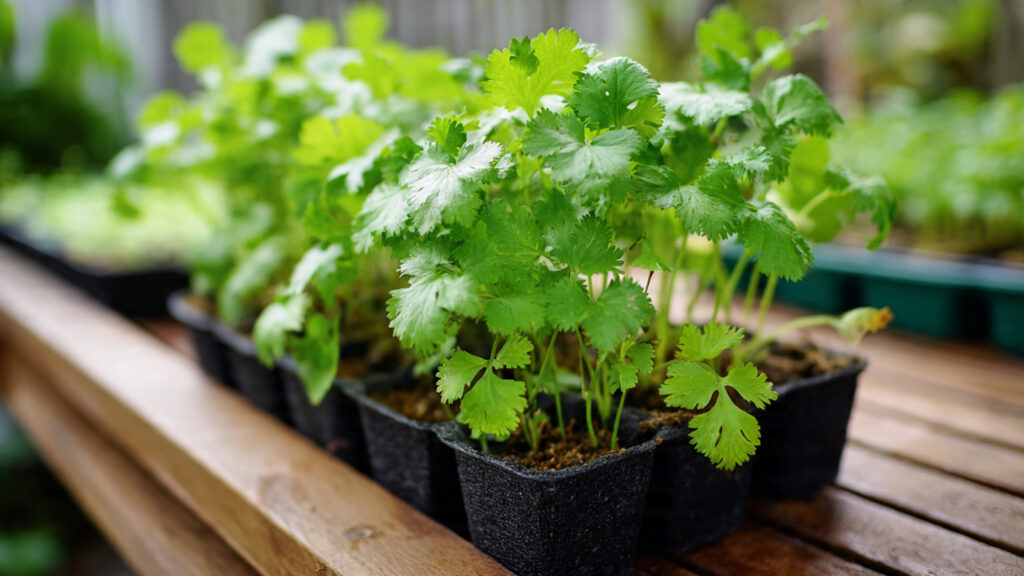
Coriander, also known as cilantro, is a kitchen staple that adds a burst of freshness and flavor to countless dishes—from tangy salsas to aromatic curries and salads. While many people rely on store-bought bunches, nothing beats the taste, aroma, and satisfaction of growing coriander at home. Best of all, with the right techniques, you can cultivate fast-growing, flavorful plants in small spaces, perfect for urban kitchens, balconies, or even window sills.
This guide will walk you through everything you need to know to grow coriander super fast at home, from seed selection to harvesting tips, ensuring your kitchen garden is always brimming with fresh, fragrant leaves.
Why Grow Coriander at Home?
Homegrown coriander offers several advantages over store-bought varieties:
- Freshness and flavor: Coriander loses its aroma and flavor quickly after being harvested. Growing your own ensures you always have vibrant, flavorful leaves on hand.
- Cost-effective: Seeds are inexpensive, and a few pots can provide a continuous harvest.
- Nutritional benefits: Coriander leaves are rich in vitamins A, C, and K, antioxidants, and essential minerals.
- Convenience: No need to make frequent trips to the store. Simply snip what you need from your pots.
- Gardening satisfaction: Growing your own herbs is therapeutic and can transform your kitchen into a lush, green space.
Choosing the Right Seeds
The first step to a fast, successful coriander harvest is selecting quality seeds. Here’s what to consider:
- Freshness: Choose seeds that are less than one year old for faster germination.
- Variety: Some varieties grow faster and produce larger leaves. Popular fast-growing types include ‘Santo’ and ‘Calypso’.
- Organic seeds: Ensure no chemical treatments for safe, edible harvests.
Tip: For continuous harvests, stagger sowing seeds every 2–3 weeks. This ensures that as older plants are harvested, new ones are ready to replace them.
Container Selection for Super Fast Growth
Coriander thrives in small to medium-sized containers. Here’s what to look for:
- Depth: At least 6–8 inches to accommodate roots.
- Width: Wider containers allow more plants and faster leaf production.
- Drainage: Ensure holes at the bottom to prevent waterlogging.
Materials like terracotta, ceramic, or plastic all work, but terracotta helps maintain better soil aeration, which can improve root growth and speed up harvesting.
Soil Requirements for Healthy, Rapid Growth
Coriander grows best in loamy, well-draining soil. A nutrient-rich, light soil encourages fast growth. Ideal soil preparation includes:
- Mix garden soil, compost, and sand in a 2:1:1 ratio.
- Ensure soil pH is slightly acidic to neutral (6.2–7.0).
- Pre-moisten the soil before sowing seeds to speed up germination.
Tip: Avoid heavy clay soils, which can slow growth and lead to root rot.
Fast Germination Techniques
To grow coriander super fast, focus on germination conditions. Coriander seeds usually sprout within 7–14 days, but you can speed this up using these techniques:
- Soak seeds overnight: Softens the seed coat and accelerates germination.
- Use a seed tray: Provides a warm, stable environment for sprouting.
- Maintain moisture: Keep soil consistently damp but not waterlogged.
- Provide warmth: Keep seeds at a temperature of 20–25°C (68–77°F) for faster sprouting.
- Partial shade: Protect young seedlings from direct harsh sunlight.
Following these steps, you’ll have tender seedlings ready to transplant or thin within just 1–2 weeks.
Spacing and Transplanting
Once seedlings are about 2–3 inches tall, thin them to ensure healthy growth and airflow:
- Spacing: Leave 4–6 inches between plants to allow room for leaf expansion.
- Transplanting: If started in seed trays, carefully move seedlings to larger pots or window boxes. Handle roots gently to avoid damage.
- Mulching: A thin layer of organic mulch retains moisture and prevents soil temperature fluctuations, promoting faster growth.
Watering and Light Requirements
Coriander grows best with consistent care:
- Watering: Keep the soil moist but not soggy. Overwatering can lead to root rot, while underwatering slows growth.
- Sunlight: Provide at least 4–5 hours of sunlight daily. In hot climates, use partial shade during peak afternoon hours.
- Air circulation: Good airflow prevents fungal growth and supports strong stems.
Tip: Regular misting can help seedlings thrive during the initial growth stage.
Fertilization for Super Fast Growth
To encourage rapid growth and vibrant leaves:
➡️ How to Grow Malabar Spinach from Cuttings for Fast, Easy Greens
➡️ How to Grow Super Delicious Cabbage at Home Without a Garden
➡️ How to Grow Bean Sprouts at Home in Plastic Bottles Easily (Step‑by‑Step Guide)
➡️ Why is Your Lemon Tree Blooming in the Heart of Winter?
➡️ Why Should Your Garden Have a Dedicated Pollinator Highway?
➡️ Why Do Your Fruit Trees Need a Winter Wash to Thrive in Spring?
➡️ How Can Rice Water Transform Your Fruits into Sweeter Delights?
➡️ Jumpstart Your Winter Garden: Seed Starting Under Lights
- Use organic fertilizers like compost tea or diluted liquid seaweed.
- Apply balanced fertilizers (N-P-K 10-10-10) sparingly to avoid over-fertilizing, which can make leaves bitter.
- Fertilize every 2–3 weeks for continuous lush growth.
Healthy, nutrient-rich plants grow faster and produce more flavorful leaves.
Harvesting Coriander for Maximum Flavor
One of the perks of container-grown coriander is frequent harvesting:
- Start harvesting when plants reach 6–8 inches tall.
- Snip the outer leaves first; leave the inner leaves to continue growing.
- Regular harvesting encourages bushier growth and faster regrowth.
- For continuous harvest, stagger planting every 2–3 weeks.
Pro Tip: Avoid harvesting more than one-third of the plant at a time to prevent stunting growth.
Preventing Bolting (Premature Flowering)
Coriander is prone to bolting, where the plant flowers and leaves become bitter:
- Keep soil moist: Dry conditions accelerate bolting.
- Provide partial shade: Extreme heat can trigger flowering.
- Harvest regularly: Continuous leaf removal prevents the plant from putting energy into flowering.
- Grow in cooler months: Spring or fall planting is ideal in hot climates.
By managing these factors, you can extend the harvest window and enjoy fresh coriander for longer.
Companion Planting in Containers
Coriander grows well alongside other herbs and vegetables:
- Tomatoes and peppers: Improve flavor and deter pests.
- Basil and parsley: Share similar sunlight and watering needs.
- Leafy greens like spinach or lettuce: Can grow in the same container with sufficient space.
Companion planting can improve space efficiency and create a mini kitchen garden with diverse flavors.
Additional Tips for a Thriving Kitchen Garden
- Rotate containers: Move pots to follow sunlight throughout the day.
- Pest management: Watch for aphids or whiteflies; use neem oil or mild soapy water for control.
- Seed saving: Let a few plants flower to collect seeds for future planting.
- Indoor gardening: Use grow lights if natural sunlight is limited.
- Continuous planting: Plant new seeds every few weeks to maintain a steady supply.
By following these practices, even small-space gardeners can enjoy a year-round supply of fresh coriander.
Conclusion: Fresh, Flavorful, and Fast
Growing coriander at home is rewarding, fast, and practical, especially for kitchen gardeners in urban environments. With the right seeds, containers, soil, and care, you can enjoy a continuous harvest of aromatic leaves ready to enhance your cooking. Beyond flavor, homegrown coriander offers health benefits, convenience, and the joy of connecting with nature—even in limited spaces.
By adopting fast germination techniques, proper watering, fertilization, and harvesting strategies, you can ensure your coriander grows super fast, producing lush, flavorful leaves for your culinary creations. Container gardening makes it easy to grow coriander anywhere—from balconies and patios to indoor window sills—turning your home into a mini kitchen garden full of vibrant, healthy herbs.
Embrace this ultimate kitchen gardening guide and transform your cooking experience with fresh, homegrown coriander at your fingertips!