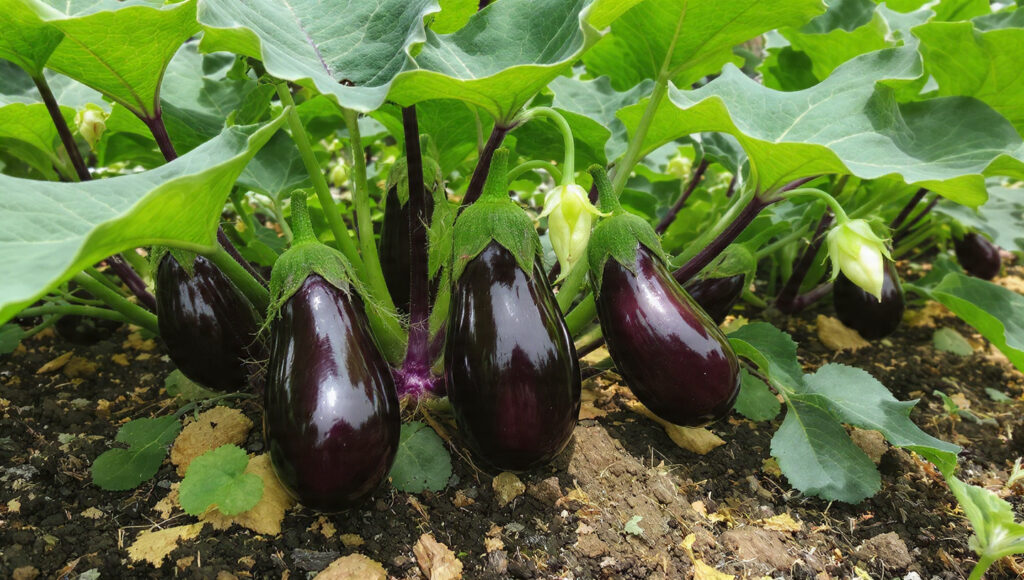
Eggplants, also known as aubergines, are a favorite in kitchens worldwide for their rich, versatile flavor. However, many gardeners struggle with low yields, misshapen fruits, or plants that seem healthy but produce very little. The secret to getting eggplants to produce more fruit than you ever imagined lies in proper planting techniques, soil management, pruning, and care routines that maximize flowering and fruiting. In this comprehensive guide, you’ll learn everything you need to turn your eggplant patch into a prolific producer.
Why Eggplants Can Be Tricky
Eggplants are tropical plants that thrive in warm, sunny conditions. They can be sensitive to temperature fluctuations, water stress, and nutrient imbalances. Common reasons for low yields include:
- Poor soil fertility – Eggplants need rich, well-draining soil with plenty of organic matter.
- Inadequate sunlight – These plants require at least 6–8 hours of direct sunlight daily.
- Overcrowding – Too many plants in one area reduce airflow, increasing disease risk and limiting fruit growth.
- Improper pruning – Not removing old or unproductive branches can divert energy away from fruit production.
By addressing these issues, you can dramatically increase the quantity and quality of your eggplants.
Selecting the Right Varieties
Before planting, choose eggplant varieties suited to your climate and growing conditions:
- Black Beauty – A classic, heavy-yielding variety with large, glossy fruits.
- Fairy Tale – Small, striped fruits that grow abundantly and are perfect for containers.
- Nadia – Heat-tolerant variety that produces consistently in hot climates.
- Long Purple – Ideal for culinary dishes that require long, slender eggplants.
Choosing a variety known for high yield ensures you start with the best genetic potential for prolific fruiting.
Soil Preparation for Maximum Fruit
Healthy eggplants start with healthy soil. Here’s how to prepare it:
- Test the soil – Eggplants prefer slightly acidic to neutral soil (pH 5.8–6.8).
- Add organic matter – Compost or well-rotted manure improves fertility and soil structure.
- Incorporate balanced fertilizer – A general-purpose NPK fertilizer (10:10:10) works well before planting.
- Ensure good drainage – Eggplants dislike soggy roots; raised beds or mounded rows can help.
By creating an optimal root environment, your eggplants will have the energy to produce more flowers and, consequently, more fruits.
Planting Tips for Higher Yields
- Seedlings first – Start seeds indoors 8–10 weeks before the last frost. This gives plants a head start on the growing season.
- Spacing – Plant seedlings 18–24 inches apart in rows that are 30–36 inches apart. Proper spacing allows better airflow and sunlight penetration.
- Transplant carefully – Eggplants are sensitive to root disturbance. Transplant seedlings when they are 6–8 inches tall and hardened off to outdoor conditions.
- Mulch – Apply organic mulch around the base to retain moisture, suppress weeds, and maintain soil temperature.
Proper planting ensures that your eggplants focus their energy on flowering and fruiting rather than recovering from stress.
The Art of Pruning for More Fruit
Pruning may seem counterintuitive—why remove parts of your plant when you want more fruit? The trick is to direct the plant’s energy toward fruit production instead of excessive leaf growth.
- Remove suckers – These are small shoots that grow between the main stem and branches. They consume energy but rarely produce flowers.
- Cut lower leaves – Remove leaves touching the soil to reduce disease risk and improve airflow.
- Tip pruning – Pinch off the growing tips of young plants once they reach 24–30 inches. This encourages lateral branching and more flowering sites.
When done correctly, pruning transforms a leafy eggplant into a productive powerhouse.
Watering and Feeding for Fruit Explosion
Eggplants need consistent moisture to set flowers and grow healthy fruits. Uneven watering can cause blossom drop, which is one of the main reasons for low yields.
- Water deeply – Keep soil evenly moist but not soggy.
- Avoid overhead watering – Water at the base to reduce the risk of fungal disease.
- Fertilize regularly – Side-dress with compost or a balanced fertilizer every 4–6 weeks. Consider a high-phosphorus fertilizer once flowers appear to encourage fruit set.
Proper nutrition and hydration directly translate to more abundant, larger eggplants.
Supporting Your Plants
Eggplants can become top-heavy as fruits grow, leading to broken branches or fruits touching the ground. Support your plants with:
- Stakes – Drive a sturdy stake next to each plant and loosely tie the main stem.
- Cages – Tomato cages work perfectly for eggplants, providing all-around support.
- Trellis – In vertical systems, trellising keeps the plant upright and increases sunlight exposure.
By preventing damage and improving airflow, support systems reduce stress and allow the plant to focus on producing fruits.
Pollination and Flower Management
Eggplant flowers are mostly self-pollinating, but poor pollination can still reduce fruit yield. To maximize fruit set:
➡️ How to Grow Malabar Spinach from Cuttings for Fast, Easy Greens
➡️ How to Grow Super Delicious Cabbage at Home Without a Garden
➡️ How to Grow Bean Sprouts at Home in Plastic Bottles Easily (Step‑by‑Step Guide)
➡️ Why is Your Lemon Tree Blooming in the Heart of Winter?
➡️ Why Should Your Garden Have a Dedicated Pollinator Highway?
➡️ Why Do Your Fruit Trees Need a Winter Wash to Thrive in Spring?
➡️ How Can Rice Water Transform Your Fruits into Sweeter Delights?
➡️ Jumpstart Your Winter Garden: Seed Starting Under Lights
- Encourage pollinators – Bees and other insects improve pollination. Plant flowers nearby to attract them.
- Hand pollination – On calm days with few insects, gently shake the flowers or use a small brush to transfer pollen.
- Remove spent flowers – Dead flowers divert energy from fruit development. Trim them promptly.
With proper pollination, nearly every flower can become a fruit, significantly boosting your harvest.
Managing Pests and Diseases
Eggplants are vulnerable to pests like aphids, flea beetles, and spider mites, as well as diseases such as verticillium wilt or powdery mildew. Proactive management ensures uninterrupted fruiting:
- Inspect regularly – Look under leaves and stems for early signs of infestation.
- Use organic insecticides – Neem oil or insecticidal soap can control many pests safely.
- Practice crop rotation – Avoid planting eggplants in the same spot year after year.
- Remove diseased leaves – Prevent the spread of pathogens by pruning affected areas immediately.
Healthy plants are productive plants, and minimizing stress ensures a higher fruit count.
Harvesting for Continuous Production
Eggplants continue to produce as long as you harvest regularly. Key tips include:
- Pick at the right size – For most varieties, fruits are ready when glossy and firm. Overripe eggplants become bitter and slow down new fruit production.
- Cut, don’t pull – Use a sharp knife or scissors to avoid damaging the plant.
- Harvest frequently – Picking every few days encourages the plant to flower and fruit more.
With consistent harvesting, one eggplant plant can produce multiple fruits over several months.
Pro Tips for Record-Breaking Yields
- Grow in containers – Eggplants perform well in pots, which concentrate nutrients and reduce competition from weeds.
- Use reflective mulch – Aluminum foil or reflective plastic around the base improves sunlight exposure to lower leaves.
- Rotate varieties – Mix early and late-maturing types to extend harvest season.
- Maintain soil health – Incorporate compost and rotate crops to prevent nutrient depletion.
By combining these techniques, you can turn an average garden into an eggplant-producing powerhouse.
Conclusion
Growing eggplants that produce more fruit than you ever imagined is not magic—it’s about understanding the plant’s needs and optimizing conditions. With proper variety selection, soil preparation, spacing, pruning, watering, fertilization, and pest management, your garden can deliver an abundant harvest of glossy, flavorful eggplants.
Whether you’re a backyard gardener, balcony grower, or aspiring homesteader, implementing these strategies will transform your eggplants into prolific producers. Imagine walking into your garden and seeing row after row of healthy plants heavy with fruit, ready to be picked for delicious meals. With patience and consistent care, your eggplants will reward you with a harvest that exceeds all expectations.
Start today, and watch as your garden becomes a showcase of productivity and beauty—one that proves eggplants really can give more fruit than you ever dreamed!