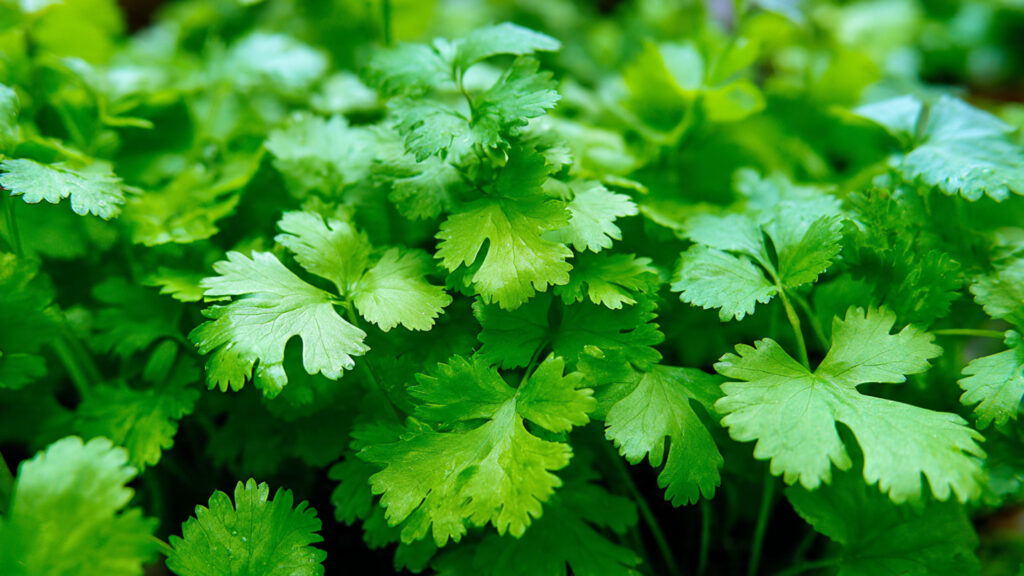
Few herbs are as versatile, aromatic, and essential in the kitchen as coriander. Known botanically as Coriandrum sativum, coriander is cherished for both its delicate green leaves—often called cilantro—and its dried seeds, which are a staple spice in cuisines worldwide. Growing fresh coriander at home not only ensures a constant supply of flavorful leaves and seeds, but it also adds a touch of greenery to your garden, balcony, or kitchen windowsill.
If you’ve ever struggled with coriander turning bitter, bolting too quickly, or failing to thrive, this complete guide will show you how to grow it successfully with minimal effort. From choosing seeds to harvesting, here’s everything you need to know to cultivate a thriving coriander herb garden.
Why Grow Coriander at Home?
Before we dive into cultivation, it’s worth understanding why homegrown coriander is superior to store-bought alternatives.
1. Freshness and Flavor
Coriander leaves lose flavor rapidly after being harvested. By growing your own, you can pick fresh leaves just before cooking, ensuring maximum aroma and taste.
2. Continuous Supply
With proper care, coriander can be grown year-round in many climates. Succession planting—sowing seeds every few weeks—guarantees a steady harvest.
3. Cost-Effective
A small packet of coriander seeds can produce months of leaves, reducing the need to purchase expensive packaged herbs.
4. Chemical-Free
Growing your own coriander lets you control soil, water, and fertilizer, producing organic, pesticide-free leaves and seeds.
Understanding Coriander Growth
Coriander is an annual herb, meaning it completes its life cycle in one growing season. It has two main stages:
- Leaf Stage (Cilantro) – During the early growth phase, the plant produces lush green leaves ideal for garnishing, salads, and cooking.
- Seed Stage (Coriander Seeds) – If left to mature, coriander produces small, round seeds used as a spice.
Coriander is sensitive to environmental conditions. Warm temperatures and long days often trigger early flowering or “bolting,” which reduces leaf production. Understanding its growth habits is key to a thriving herb garden.
Choosing the Right Seeds
High-quality seeds are the foundation of successful coriander cultivation.
- Fresh Seeds: Look for seeds harvested within the last year for better germination rates.
- Variety Selection: Some varieties are slow-bolting, which prolongs leaf production. Popular options include “Santo” and “Calypso.”
- Local Adaptation: Choose varieties suited for your climate to improve success rates.
Remember: Coriander seeds are actually small dried fruits that contain two seeds each. Some gardeners crush the outer layer lightly before sowing to improve germination.
Soil and Container Preparation
Coriander grows best in well-draining, fertile soil.
Soil Requirements:
- Loamy or sandy soil
- Slightly acidic to neutral pH (6.2–7.0)
- Rich in organic matter
If using containers, ensure drainage holes to prevent waterlogging. A mixture of garden soil, compost, and sand works well.
Containers:
- Any pot, trough, or window box with at least 6–8 inches depth
- Ensure adequate space for roots to spread
- Use shallow trays for leaf harvests if short on space
Adding a layer of mulch helps retain moisture and regulates temperature.
Sowing Coriander Seeds
Coriander prefers cooler temperatures (18–25°C) for germination.
➡️ How to Grow Malabar Spinach from Cuttings for Fast, Easy Greens
➡️ How to Grow Super Delicious Cabbage at Home Without a Garden
➡️ How to Grow Bean Sprouts at Home in Plastic Bottles Easily (Step‑by‑Step Guide)
➡️ Why is Your Lemon Tree Blooming in the Heart of Winter?
➡️ Why Should Your Garden Have a Dedicated Pollinator Highway?
➡️ Why Do Your Fruit Trees Need a Winter Wash to Thrive in Spring?
➡️ How Can Rice Water Transform Your Fruits into Sweeter Delights?
➡️ Jumpstart Your Winter Garden: Seed Starting Under Lights
Step-by-Step:
- Soak Seeds (Optional): Soaking seeds in water for 12–24 hours can soften the hard outer coat and speed germination.
- Planting Depth: Sow seeds ½–1 inch deep in rows or scattered evenly.
- Spacing: Space seeds 2–3 inches apart. Thin seedlings later to avoid overcrowding.
- Watering: Keep soil consistently moist, but not waterlogged.
- Germination Time: Seeds usually sprout in 7–14 days, depending on temperature.
Tips for Success:
- Avoid sowing in extremely hot weather to prevent early bolting.
- Use light shade during midday in very sunny climates.
Caring for Coriander Plants
Once your coriander seeds have sprouted, proper care ensures lush growth.
1. Watering
- Water regularly to keep soil moist.
- Avoid wetting leaves excessively, which can encourage fungal diseases.
- Mulching reduces evaporation and keeps roots cool.
2. Sunlight
- Full sun is ideal, but in hotter regions, provide partial shade during the afternoon.
- Insufficient sunlight results in weak, leggy growth.
3. Fertilization
- Use organic compost or liquid seaweed fertilizer once every 3–4 weeks.
- Avoid excessive nitrogen, which encourages leaf growth but reduces essential oil content in seeds.
4. Thinning
- Thin seedlings to 4–6 inches apart once they reach 2–3 inches tall.
- This prevents overcrowding, improves airflow, and promotes healthy leaves.
5. Pest and Disease Management
Common pests include aphids, whiteflies, and leaf miners. Solutions:
- Spray with mild neem oil or soapy water.
- Encourage beneficial insects like ladybugs.
- Keep the garden clean and remove infected leaves promptly.
Extending the Leaf Harvest
Coriander is notorious for bolting quickly in warm weather. To maximize leaf harvest:
- Succession Planting: Sow seeds every 2–3 weeks for a continuous supply.
- Pinching Tips: Trim growing tips to encourage bushier plants and more leaves.
- Cool Conditions: Grow during cooler months or in partial shade in hotter climates.
Harvesting leaves regularly stimulates the plant to produce more foliage.
Harvesting Coriander Leaves
Leaves can be harvested once the plant reaches 4–6 inches in height.
- Cut outer leaves first, leaving the inner ones to continue growing.
- Use sharp scissors to avoid damaging stems.
- Wash leaves thoroughly before use.
Homegrown coriander leaves are more flavorful than store-bought and retain aroma longer.
Allowing Plants to Flower for Seeds
If you want coriander seeds, allow some plants to flower:
- Flowering occurs 40–60 days after sowing.
- Flowers attract pollinators, improving seed formation.
- Once flowers dry, harvest the seeds by gently shaking the pods.
Seeds can be stored in a cool, dry place for future planting or culinary use.
Growing Coriander Indoors
Coriander grows well indoors on windowsills or kitchen counters.
- Use shallow pots with good drainage.
- Place near a sunny window (south-facing in the Northern Hemisphere).
- Rotate pots to ensure even light exposure.
- Supplement light with fluorescent or LED grow lights if necessary.
Indoor growing is ideal for winter months or regions with extreme heat.
Common Challenges and Solutions
| Challenge | Solution |
|---|---|
| Bolting too quickly | Plant in cooler months, use slow-bolting varieties |
| Yellowing leaves | Check watering, ensure proper drainage, and provide nutrients |
| Aphids or pests | Use neem oil or introduce beneficial insects |
| Leggy growth | Provide sufficient sunlight and pinch growing tips |
Understanding your local climate and adjusting care accordingly will prevent most common issues.
Tips for Thriving Herb Gardens
- Companion Planting: Grow coriander alongside tomatoes, peppers, or carrots. It can repel certain pests naturally.
- Container Rotation: If growing in pots, rotate containers to ensure even sunlight.
- Soil Refreshing: Replace or refresh soil every season to prevent nutrient depletion.
- Keep Notes: Track sowing dates, germination, and harvest for best results in subsequent cycles.
Culinary Uses of Fresh Coriander
Homegrown coriander can be used in countless dishes:
- Garnish for soups, curries, and stews
- Ingredient in salsas, chutneys, and sauces
- Fresh in salads and sandwiches
- Seeds for spice blends and pickling
Its fresh aroma and flavor elevate simple meals into gourmet experiences.
Final Thoughts
Growing fresh coriander at home is easier than many realize. With the right seeds, well-prepared soil, and consistent care, you can enjoy a thriving herb garden that provides aromatic leaves and flavorful seeds year-round. Succession planting, proper watering, pruning, and pest management are key to preventing common problems like bolting or weak growth.
From windowsill pots to outdoor herb beds, coriander offers both culinary delight and a sense of accomplishment for gardeners. Whether you’re a seasoned gardener or a beginner, cultivating coriander ensures that this essential herb is always at your fingertips—ready to add freshness, flavor, and a touch of greenery to your home.