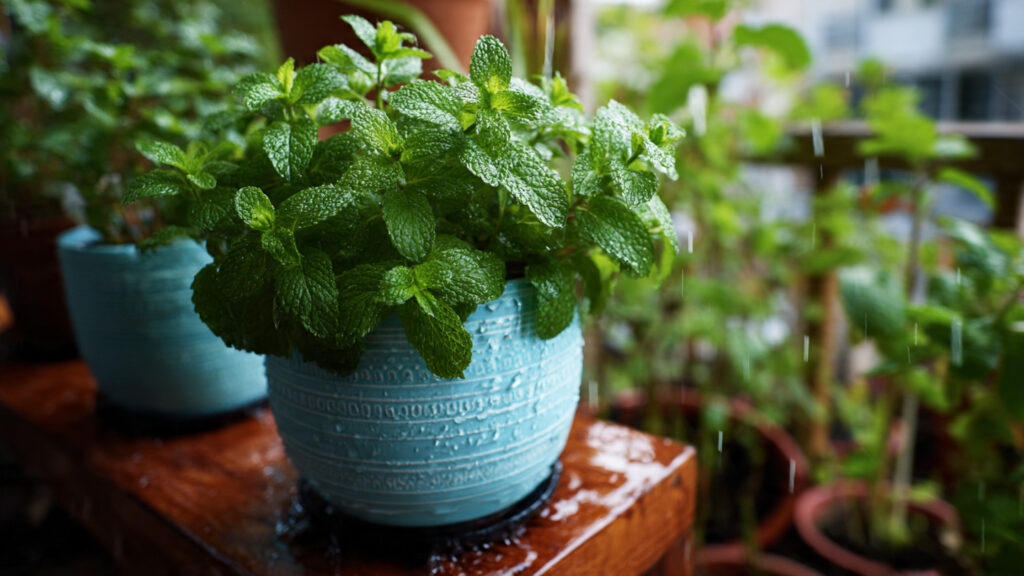
Mint is one of the easiest and most rewarding herbs to grow at home. Its refreshing aroma, rapid growth, and culinary versatility make it a favorite among home gardeners. Whether you enjoy fresh mint tea, chutneys, desserts, or garnishes, having a thriving plant within reach is incredibly convenient. Among the many mint varieties, Mentha spicata (spearmint) and Mentha × piperita (peppermint) are especially popular for home growing.
While mint is famously hardy, it can also become messy and invasive when grown directly in garden soil. That’s where self-watering pots offer a perfect solution. They simplify care, regulate moisture, and help maintain healthy, lush growth with minimal effort. This complete guide will walk you through everything you need to know about growing mint effortlessly using self-watering containers.
Why Choose Self-Watering Pots for Mint?
Mint loves consistent moisture. In traditional pots, soil can dry out quickly — especially in warm climates — leading to drooping leaves or stunted growth. On the other hand, overwatering can cause root rot.
Self-watering pots solve both problems.
These containers feature:
- A water reservoir at the bottom
- A wicking system that delivers moisture gradually
- Soil separated from standing water
This setup ensures the plant absorbs only the water it needs, maintaining steady hydration without waterlogging.
For busy gardeners or beginners, this system reduces daily watering and prevents common mistakes.
Understanding Mint’s Growing Habits
Before setting up your self-watering pot, it’s important to understand mint’s nature.
Mint is:
- Fast-growing
- Shallow-rooted
- Moisture-loving
- Highly invasive in open ground
Its spreading rhizomes can quickly take over garden beds. Growing mint in a controlled container keeps its growth manageable while still allowing vigorous foliage production.
Self-watering pots provide enough moisture for lush leaf growth without encouraging uncontrolled spreading.
Choosing the Right Self-Watering Pot
Not all self-watering containers are created equal. When growing mint, look for the following features:
1. Proper Size
Mint does well in medium-sized pots (8–12 inches wide). A slightly wider pot allows lateral root growth and fuller foliage.
2. Reliable Reservoir System
Choose a container with:
- A visible water level indicator
- A refill opening
- A breathable inner growing chamber
3. Good Drainage Design
Although self-watering pots regulate moisture, excess rainwater (if placed outdoors) should be able to escape.
➡️ How to Grow Malabar Spinach from Cuttings for Fast, Easy Greens
➡️ How to Grow Super Delicious Cabbage at Home Without a Garden
➡️ How to Grow Bean Sprouts at Home in Plastic Bottles Easily (Step‑by‑Step Guide)
➡️ Why is Your Lemon Tree Blooming in the Heart of Winter?
➡️ Why Should Your Garden Have a Dedicated Pollinator Highway?
➡️ Why Do Your Fruit Trees Need a Winter Wash to Thrive in Spring?
➡️ How Can Rice Water Transform Your Fruits into Sweeter Delights?
➡️ Jumpstart Your Winter Garden: Seed Starting Under Lights
Plastic pots are lightweight and retain moisture well, while ceramic self-watering options offer aesthetic appeal.
Selecting the Best Soil Mix
Soil plays a crucial role in the success of your self-watering setup.
Mint prefers:
- Rich, organic soil
- Slightly moist but well-draining texture
- Neutral to slightly acidic pH
Avoid heavy clay or compact garden soil. Instead, use:
- High-quality potting mix
- Compost for nutrients
- Perlite or cocopeat for aeration
Loose soil allows proper wicking from the reservoir and prevents compaction over time.
Planting Mint in a Self-Watering Pot
You can grow mint from seeds, cuttings, or nursery plants. Cuttings and starter plants are the fastest methods.
Step-by-Step Planting:
- Fill the inner container with pre-moistened potting mix.
- Place the mint plant at the same depth it was growing before.
- Gently firm the soil around the roots.
- Water lightly from the top once to establish root contact.
- Fill the reservoir according to instructions.
For the first week, monitor soil moisture closely to ensure the wicking system functions properly.
Light Requirements
Mint grows best in:
- Bright indirect sunlight
- Partial shade
- 4–6 hours of light daily
If growing indoors, place the pot near a window with filtered sunlight. Outdoors, morning sun and afternoon shade are ideal.
Too much direct sun can cause leaf scorching, while insufficient light reduces flavor intensity and slows growth.
Watering Made Simple
The beauty of self-watering pots lies in reduced maintenance.
How Often to Refill the Reservoir:
- Every 3–7 days depending on weather
- More frequently during hot seasons
- Less during cooler months
Check the water level indicator regularly. Avoid letting the reservoir remain empty for long periods, as mint prefers steady moisture.
Do not overfill beyond the maximum mark.
Fertilizing for Lush Growth
Mint grows quickly and benefits from light feeding.
Fertilizing Tips:
- Use a diluted liquid fertilizer every 4–6 weeks
- Choose balanced organic fertilizers
- Avoid excessive nitrogen, which can reduce flavor concentration
Because self-watering pots provide steady moisture, nutrients are absorbed efficiently, so moderate feeding is sufficient.
Pruning and Harvesting
Regular harvesting keeps mint bushy and productive.
Best Practices:
- Pinch off growing tips weekly
- Harvest before flowering for best flavor
- Remove yellow or damaged leaves
Frequent trimming encourages lateral branching and prevents leggy growth.
Never cut more than one-third of the plant at a time.
Preventing Common Problems
Even though mint is hardy, certain issues may arise.
1. Yellow Leaves
Often caused by:
- Overwatering
- Poor drainage
- Nutrient imbalance
Ensure the reservoir is not constantly overfilled.
2. Root Rot
Rare in self-watering pots if functioning correctly, but can occur if:
- Soil is too compact
- The wick is malfunctioning
Use light, airy soil to avoid this issue.
3. Leggy Growth
Usually due to insufficient light. Move the pot to a brighter location.
Indoor vs Outdoor Growing
Self-watering pots work beautifully in both environments.
Indoors:
- Controlled climate
- Less evaporation
- Minimal pest issues
Outdoors:
- Faster growth
- More frequent reservoir refills
- Potential pest monitoring required
If placing outdoors, protect from heavy rainfall to prevent flooding the reservoir.
Seasonal Care Tips
Mint is perennial in many climates but may slow down in winter.
During Cooler Months:
- Reduce fertilizer
- Allow soil to dry slightly more between refills
- Move indoors if frost threatens
Self-watering systems still function in winter but require less frequent maintenance.
Advantages of Growing Mint in Self-Watering Pots
Using this system offers several benefits:
- Saves time
- Prevents overwatering
- Encourages consistent growth
- Reduces plant stress
- Ideal for busy households
It also keeps mint contained, preventing garden invasion.
Expanding Your Mint Collection
Once you master one plant, you can experiment with other varieties such as:
- Chocolate mint
- Apple mint
- Pineapple mint
Simply divide mature plants and replant in additional self-watering containers.
Mint roots easily from stem cuttings placed in water before transferring to soil.
Long-Term Maintenance
Every 1–2 years:
- Refresh the potting mix
- Trim roots lightly if overcrowded
- Clean the reservoir system
This prevents salt buildup and keeps the plant vigorous.
Self-watering pots require occasional cleaning to ensure the wick system remains efficient.
Final Thoughts
Growing mint effortlessly at home becomes truly simple with self-watering pots. By providing consistent moisture, proper drainage, adequate light, and regular pruning, you create the perfect environment for vigorous, flavorful growth.
Whether you choose Mentha spicata for its sweet aroma or Mentha × piperita for its cooling intensity, the self-watering method eliminates common watering mistakes and ensures steady development.
With minimal daily effort, you can enjoy fresh mint year-round — perfect for teas, cooking, herbal remedies, and refreshing beverages.