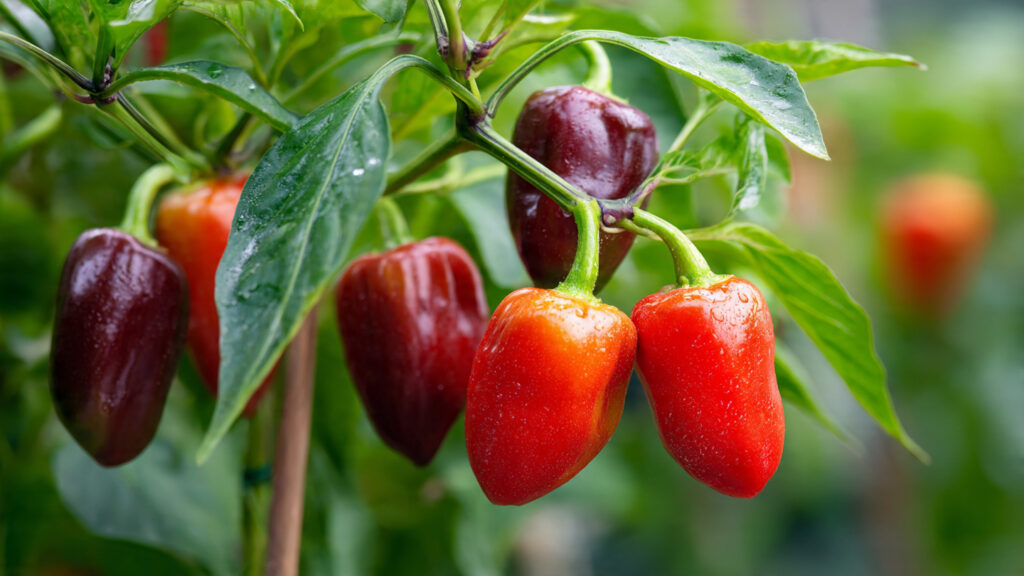
Peppers—whether sweet bell peppers or fiery chili varieties—are a favorite in home gardens and kitchens alike. They add color, flavor, and nutrition to meals, but many gardeners struggle with slow growth or delayed harvests. The good news is that with the right techniques, you can significantly boost pepper plant growth and enjoy a quicker, more abundant harvest. In this article, we explore proven strategies to help your pepper plants thrive, from seed to harvest.
Understanding Pepper Plant Growth
Before implementing techniques to accelerate growth, it’s important to understand the life cycle of pepper plants. Peppers are warm-season vegetables that require specific conditions to germinate, grow, flower, and fruit. Key growth stages include:
- Seed germination – typically 7–21 days depending on variety and conditions.
- Seedling growth – plants develop leaves and a strong root system.
- Vegetative growth – stems, leaves, and lateral branches expand.
- Flowering – flowers appear, signaling that fruiting will soon follow.
- Fruit development – peppers mature from tiny buds to full-size fruits.
The pace of each stage depends on environmental factors, nutrition, and care practices. By optimizing these factors, you can encourage faster growth and earlier harvests.
1. Choose the Right Variety
Different pepper varieties have different maturation rates. Selecting fast-growing varieties is the first step to a quicker harvest.
- Bell peppers: Some hybrid varieties mature in as little as 60 days.
- Hot peppers: Varieties like ‘Cayenne’ or ‘Jalapeño’ can fruit in 70–80 days.
- Compact or dwarf varieties: Ideal for container growing, they often produce fruit sooner.
Choosing a variety suited to your climate and growing conditions sets the stage for successful, rapid growth.
2. Start Seeds Indoors
Starting seeds indoors gives pepper plants a head start. Peppers are slow to germinate in cool outdoor soil, but indoor planting ensures early growth.
- Timing: Start seeds 8–10 weeks before the last expected frost.
- Temperature: Maintain a warm environment (75–85°F / 24–29°C) to encourage germination.
- Lighting: Provide 12–16 hours of bright light daily, using grow lights if necessary.
- Seedling care: Keep soil moist, but not waterlogged, and provide gentle airflow to strengthen stems.
Healthy, strong seedlings will transplant more successfully and reach maturity faster outdoors.
3. Optimize Soil Conditions
Pepper plants thrive in nutrient-rich, well-draining soil. Healthy soil is the foundation for fast growth.
- Soil pH: Maintain slightly acidic soil between 6.0–6.8.
- Fertility: Add compost or well-rotted manure to provide essential nutrients.
- Drainage: Avoid waterlogged conditions; peppers prefer evenly moist, aerated soil.
- Mulching: Apply organic mulch to retain moisture, regulate soil temperature, and suppress weeds.
Optimized soil ensures plants have the energy to grow quickly and produce fruit.
4. Provide Adequate Sunlight
Peppers are sun-loving plants that require full sunlight for rapid growth and fruiting.
- Light requirement: 6–8 hours of direct sunlight per day is ideal.
- Container growing: Place pots in the sunniest location or use reflective surfaces to maximize light exposure.
- Supplemental lighting: For indoor or greenhouse growing, use full-spectrum grow lights to promote photosynthesis.
Sufficient sunlight boosts photosynthesis, encouraging stronger stems, more leaves, and faster flowering.
5. Water Strategically
Water is critical for pepper growth, but overwatering can stunt development. Proper water management accelerates growth and prevents disease.
- Consistent moisture: Keep soil evenly moist, allowing the top inch to dry slightly between watering.
- Deep watering: Water thoroughly to encourage deep root development.
- Avoid wet foliage: Water at the base to reduce the risk of fungal infections.
- Mulch benefits: Mulch helps retain soil moisture and reduces the frequency of watering.
Balanced watering ensures that plants grow quickly without stress or setbacks.
6. Fertilize for Speed
Peppers require specific nutrients to reach full potential quickly. The right fertilization strategy promotes robust vegetative growth and early flowering.
- Nitrogen: Supports leafy growth during the early stages.
- Phosphorus: Encourages strong root development and flowering.
- Potassium: Enhances fruiting, flavor, and disease resistance.
- Timing: Begin with a balanced fertilizer during seedling growth, then switch to a high-potassium fertilizer when flowering begins.
Regular feeding ensures your plants grow faster and produce more fruit.
➡️ How to Grow Malabar Spinach from Cuttings for Fast, Easy Greens
➡️ How to Grow Super Delicious Cabbage at Home Without a Garden
➡️ How to Grow Bean Sprouts at Home in Plastic Bottles Easily (Step‑by‑Step Guide)
➡️ Why is Your Lemon Tree Blooming in the Heart of Winter?
➡️ Why Should Your Garden Have a Dedicated Pollinator Highway?
➡️ Why Do Your Fruit Trees Need a Winter Wash to Thrive in Spring?
➡️ How Can Rice Water Transform Your Fruits into Sweeter Delights?
➡️ Jumpstart Your Winter Garden: Seed Starting Under Lights
7. Encourage Strong Root Systems
Healthy roots accelerate overall growth. Techniques to support strong roots include:
- Transplant carefully: Avoid root damage when moving seedlings outdoors.
- Air pruning in containers: Use fabric pots or containers with drainage holes to prevent root circling.
- Avoid overwatering: Excess moisture can suffocate roots and slow growth.
- Soil aeration: Gently loosen soil around roots to enhance oxygen and nutrient uptake.
Strong roots lead to vigorous stems, faster flowering, and larger fruit.
8. Prune for Productivity
Pruning may seem counterintuitive, but it directs the plant’s energy toward fruiting instead of excessive foliage growth.
- Remove suckers: Cut small shoots between main stems and branches to focus energy on fruit.
- Trim lower leaves: Improves air circulation and reduces disease risk.
- Pinch growing tips: Encourage bushier growth and more flowering sites.
Pruning strategically accelerates fruit production and improves overall plant health.
9. Control Temperature and Environment
Peppers are sensitive to temperature and thrive in warm conditions. Maintaining an ideal environment promotes faster growth.
- Optimal temperature: Daytime 70–85°F (21–29°C) and nighttime 60–70°F (16–21°C).
- Protect from extremes: Use row covers or greenhouses in cool climates; provide shade in extreme heat.
- Wind protection: Strong winds can damage stems; stakes or cages help protect plants.
A controlled environment reduces stress and allows plants to grow rapidly.
10. Pollination Support
Faster fruiting depends on successful pollination. Encouraging pollinators or assisting pollination speeds up harvest.
- Hand pollination: Use a small brush or gently shake flowers to transfer pollen.
- Attract bees: Plant companion flowers nearby to increase pollinator activity.
- Greenhouse considerations: Use fans to mimic natural wind for pollination if growing indoors.
Proper pollination ensures flowers turn into fruit quickly, leading to earlier harvests.
11. Monitor for Pests and Diseases
Healthy plants grow faster. Preventing pests and diseases is essential for accelerated growth and abundant harvests.
- Inspect regularly: Look for aphids, spider mites, or caterpillars.
- Natural controls: Use neem oil or insecticidal soap for safe treatment.
- Fungal prevention: Avoid wetting leaves and ensure good air circulation.
- Prompt action: Early intervention prevents setbacks that slow growth.
Maintaining healthy plants allows your peppers to reach maturity faster.
12. Harvest Strategically
Picking peppers at the right time encourages continuous fruit production.
- Frequent harvesting: Regularly remove mature peppers to signal the plant to produce more.
- Gentle handling: Use scissors or pruners to avoid damaging stems.
- Color and size cues: Harvest according to variety guidelines to ensure flavor and plant productivity.
Frequent and proper harvesting accelerates the overall growth cycle.
Conclusion
Growing peppers faster requires a combination of smart planning, attentive care, and environmental optimization. By selecting fast-maturing varieties, starting seeds indoors, providing optimal sunlight, water, and nutrients, supporting strong roots, pruning strategically, controlling pests, and assisting pollination, gardeners can enjoy quicker growth and earlier harvests.
With these proven tips, your pepper plants will not only grow faster but also produce more abundant and flavorful fruits. By understanding your plants’ needs and applying targeted strategies, you can transform your garden into a vibrant, productive space where peppers thrive season after season.