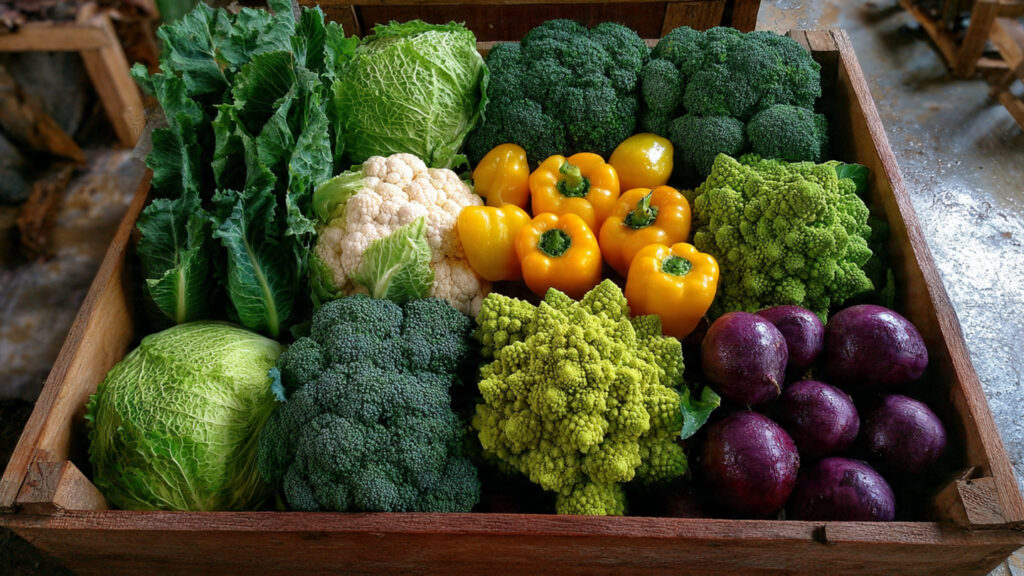
If you’ve ever dreamed of harvesting fresh, homegrown vegetables right outside your door, it’s time to start with one of the most rewarding crops of all — broccoli, often called the “king of vegetables.” Packed with nutrients, easy to grow, and highly productive, Broccoli deserves a place in every home garden.
Whether you have a spacious backyard, a small terrace, or just a few containers on a balcony, you can successfully grow this super vegetable and provide your family with fresh, chemical-free harvests. Here’s a complete, easy-to-follow guide to growing broccoli at home.
Why Broccoli Is Called the King of Vegetables
Broccoli earns its royal title because of its impressive health benefits. It is rich in vitamins C and K, fiber, antioxidants, and plant compounds that support immunity and overall health. Regular consumption may help reduce inflammation, support digestion, and promote heart health.
Beyond nutrition, broccoli is also:
- High yielding
- Relatively pest-resistant
- Adaptable to different growing spaces
- Suitable for beginner gardeners
It’s a cool-season crop that thrives in moderate temperatures, making it ideal for many climates.
Choosing the Right Variety
Before planting, choose a broccoli variety suited to your climate. There are three common types:
- Calabrese broccoli – Produces large central heads and side shoots.
- Sprouting broccoli – Grows multiple smaller heads.
- Purple broccoli – Attractive color and slightly sweeter taste.
For beginners, Calabrese types are often the easiest and most productive.
Best Time to Grow Broccoli
Broccoli prefers cool weather. Ideal temperatures range between 15°C to 25°C (60°F to 75°F).
You can grow it:
- In early spring
- In late summer for a fall harvest
- In mild winter regions
Avoid extreme heat, as it may cause the plant to bolt (flower too quickly).
Starting from Seeds
Growing broccoli from seeds is simple and economical.
Step 1: Prepare Seed Trays
Use seed trays or small containers filled with loose, well-draining potting mix.
Step 2: Sow Seeds
- Plant seeds about 0.5 cm deep.
- Lightly cover with soil.
- Water gently.
Step 3: Provide Light and Moisture
Keep soil moist but not soggy. Place trays in a sunny spot.
Seeds typically germinate within 5–10 days.
Transplanting Seedlings
When seedlings are about 4–6 weeks old and have 4–5 true leaves, they are ready for transplanting.
➡️ How to Grow Malabar Spinach from Cuttings for Fast, Easy Greens
➡️ How to Grow Super Delicious Cabbage at Home Without a Garden
➡️ How to Grow Bean Sprouts at Home in Plastic Bottles Easily (Step‑by‑Step Guide)
➡️ Why is Your Lemon Tree Blooming in the Heart of Winter?
➡️ Why Should Your Garden Have a Dedicated Pollinator Highway?
➡️ Why Do Your Fruit Trees Need a Winter Wash to Thrive in Spring?
➡️ How Can Rice Water Transform Your Fruits into Sweeter Delights?
➡️ Jumpstart Your Winter Garden: Seed Starting Under Lights
Spacing
- Space plants 30–45 cm apart.
- Leave 45–60 cm between rows.
Broccoli needs room to grow large heads.
Soil Requirements
Broccoli thrives in:
- Well-draining soil
- Rich organic matter
- Slightly acidic to neutral pH (6.0–7.0)
Before planting, mix compost or well-rotted manure into the soil. Healthy soil leads to bigger heads and stronger plants.
Growing Broccoli in Containers
No garden? No problem.
You can grow broccoli in pots that are:
- At least 30 cm deep
- 30–40 cm wide
- With drainage holes
Fill with nutrient-rich potting mix and compost. Place the container in a sunny area receiving at least 6 hours of sunlight daily.
Container-grown broccoli may produce slightly smaller heads but is still very productive.
Watering Tips
Broccoli needs consistent moisture.
- Water deeply once or twice a week.
- Keep soil evenly moist.
- Avoid waterlogging.
Irregular watering can lead to poor head formation or bitterness.
Mulching with straw or dried leaves helps retain moisture and regulate soil temperature.
Fertilizing for Bigger Heads
Broccoli is a heavy feeder.
- Add compost before planting.
- Feed with organic liquid fertilizer every 2–3 weeks.
- Use nitrogen-rich fertilizer during early growth.
Healthy leaves lead to large, firm broccoli heads.
Sunlight Requirements
Broccoli grows best in full sun but tolerates partial shade.
Minimum requirement:
- 6 hours of direct sunlight daily
In hotter climates, afternoon shade can prevent stress.
Common Problems and Solutions
Even though broccoli is relatively easy to grow, a few challenges may arise.
1. Yellowing Leaves
Cause: Nutrient deficiency or overwatering
Solution: Improve drainage and feed with balanced fertilizer.
2. Small Heads
Cause: Heat stress or poor nutrition
Solution: Plant during cooler seasons and enrich soil.
3. Pests
Common pests include:
- Aphids
- Cabbage worms
- Caterpillars
Control methods:
- Handpick pests
- Use neem oil spray
- Introduce natural predators
Healthy plants resist pests better.
When and How to Harvest
Broccoli is ready for harvest 60–90 days after planting, depending on the variety.
Signs It’s Ready:
- Tight, compact green florets
- Head size around 10–15 cm wide
- Before yellow flowers appear
Use a sharp knife to cut the main head, leaving about 10–15 cm of stem.
Good news: after harvesting the main head, side shoots will continue to grow. You can harvest multiple times from one plant.
Storing and Using Fresh Broccoli
Fresh broccoli can be:
- Stored in the refrigerator for up to a week
- Blanched and frozen for long-term storage
It’s delicious when:
- Steamed
- Stir-fried
- Roasted
- Added to soups
- Mixed into salads
Homegrown broccoli tastes sweeter and fresher than store-bought varieties.
Benefits of Growing Broccoli at Home
Growing broccoli yourself offers more than just food.
1. Healthier Meals
You control what goes into your soil — no harmful chemicals.
2. Cost Savings
A few seeds can provide multiple harvests.
3. Family Bonding
Gardening is a great activity for children. Watching plants grow teaches patience and responsibility.
4. Food Security
Having vegetables at home reduces dependency on markets.
Companion Planting for Better Growth
Broccoli grows well with:
- Lettuce
- Spinach
- Beets
- Onions
Avoid planting near tomatoes or strawberries, as they may compete for nutrients.
Companion planting improves pest resistance and soil health.
Growing Tips for Maximum Yield
- Start seeds indoors for better control.
- Use mulch to retain moisture.
- Harvest promptly to encourage side shoots.
- Rotate crops yearly to prevent soil diseases.
- Add compost regularly.
Small consistent care leads to impressive harvests.
Why Every Family Should Grow Broccoli
In today’s fast-paced world, fresh and nutritious food is more important than ever. Growing broccoli at home ensures your family gets clean, healthy produce straight from the garden to the kitchen.
It doesn’t require advanced gardening skills. With a little patience, good soil, and regular watering, even beginners can grow this “king of vegetables” successfully.
Imagine stepping outside and harvesting fresh broccoli for dinner — no chemicals, no preservatives, just pure nutrition. That satisfaction is priceless.
Final Thoughts
Growing Broccoli at home is simple, rewarding, and highly beneficial for your family’s health. Whether in a backyard, terrace, or container garden, this nutrient-rich vegetable thrives with basic care and attention.
Start with quality seeds, provide rich soil, ensure steady watering, and harvest at the right time. Soon, you’ll enjoy abundant, delicious broccoli straight from your own garden.