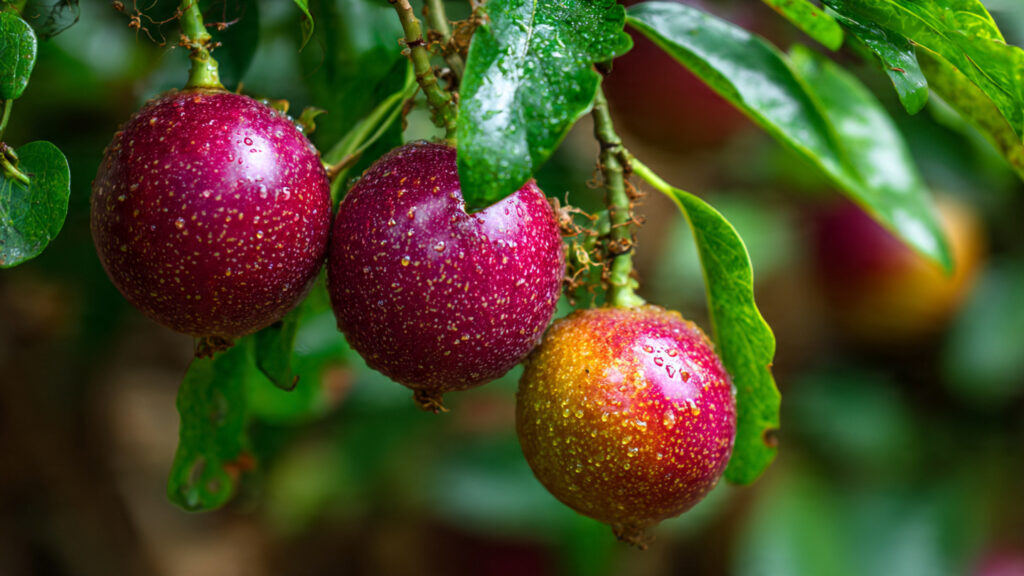
Few fruits feel as exotic and rewarding as passion fruit. With its fragrant flowers, fast-growing vines, and juicy, tangy-sweet fruit, passion fruit is truly a tropical treasure you can grow right at home.
Whether you have a sunny backyard, a balcony with a trellis, or even a large container garden, passion fruit is surprisingly achievable for home gardeners. With the right care, you’ll enjoy not only delicious harvests but also one of the most beautiful flowering vines nature has to offer.
Let’s explore the complete step-by-step guide to planting, caring for, and harvesting passion fruit successfully.
Why Passion Fruit is the Perfect Home-Grown Tropical Crop
Passion fruit (Passiflora edulis) is beloved worldwide for its:
- Bright, aromatic flavor
- Nutrient-rich pulp packed with vitamins
- Stunning purple-and-white flowers
- Fast vine growth that creates natural shade
- Ability to thrive in warm climates and containers
Once established, a single vine can produce dozens of fruits each season, making it one of the most rewarding edible vines you can grow.
Choosing the Right Passion Fruit Variety
Before planting, it helps to know which type suits your climate:
Purple Passion Fruit
- Sweeter flavor
- Best for subtropical climates
- More tolerant of cooler temperatures
Yellow Passion Fruit
- Larger fruit
- More acidic flavor
- Thrives in tropical heat
- More vigorous growth
If you live in a region with mild winters, purple varieties are often the best choice for home gardens.
Where to Plant Passion Fruit for Best Growth
Passion fruit vines love sunshine and warmth.
Ideal Growing Conditions
- Full sun (6–8 hours daily)
- Warm temperatures (18–30°C)
- Well-draining soil
- Protection from strong winds
Passion fruit vines can grow 15–20 feet long, so they need plenty of vertical space.
Supporting Your Passion Fruit Vine
A strong support system is essential.
Best Trellis Options
- Fence lines
- Pergolas
- Balcony railings
- Garden arches
- Sturdy wire trellis
Without support, vines become tangled and fruit production suffers.
Think of passion fruit as both a fruit plant and a beautiful natural decoration for your outdoor space.
How to Plant Passion Fruit at Home
You can start passion fruit from seeds, but most gardeners prefer seedlings for faster fruiting.
Planting Steps
- Dig a hole twice the size of the root ball
- Mix compost or aged manure into the soil
- Place the plant gently into the hole
- Backfill with soil and press firmly
- Water deeply right after planting
- Add mulch around the base (but not touching the stem)
Space plants at least 10 feet apart if growing more than one vine.
Growing Passion Fruit in Containers
Yes—you can grow passion fruit even in pots!
➡️ How to Grow Malabar Spinach from Cuttings for Fast, Easy Greens
➡️ How to Grow Super Delicious Cabbage at Home Without a Garden
➡️ How to Grow Bean Sprouts at Home in Plastic Bottles Easily (Step‑by‑Step Guide)
➡️ Why is Your Lemon Tree Blooming in the Heart of Winter?
➡️ Why Should Your Garden Have a Dedicated Pollinator Highway?
➡️ Why Do Your Fruit Trees Need a Winter Wash to Thrive in Spring?
➡️ How Can Rice Water Transform Your Fruits into Sweeter Delights?
➡️ Jumpstart Your Winter Garden: Seed Starting Under Lights
Container Requirements
- At least 18–24 inches wide
- Drainage holes are a must
- Rich potting mix with compost
- A trellis or stake nearby
Container vines may need more frequent watering and feeding, but they can still produce excellent fruit.
Watering Passion Fruit the Right Way
Passion fruit vines grow fast and need consistent moisture.
Watering Tips
- Water deeply 2–3 times per week
- Increase watering during hot, dry weather
- Avoid soggy soil, which causes root rot
- Mulch helps retain moisture
The goal is moist, not flooded soil.
Feeding Your Vine for Maximum Fruit
Passion fruit is a heavy feeder.
Best Fertilizers
- Compost and organic manure
- Balanced fertilizer (10-10-10)
- Potassium-rich fertilizer during flowering
Feeding Schedule
- Every 4–6 weeks during growing season
- Extra boost when flowers begin forming
Healthy feeding leads to more flowers—and more fruit.
Pruning for Strong Growth and Bigger Harvests
Pruning may sound scary, but it’s essential.
Why Prune?
- Encourages new fruiting shoots
- Prevents tangled vines
- Improves airflow
- Reduces pests and diseases
When to Prune
- After harvest season
- Early spring before new growth starts
Remove dead stems and cut back overly long branches to keep the vine productive.
Pollination: The Secret to Getting Fruit
Passion fruit flowers are stunning, but fruit won’t form without pollination.
Natural Pollinators
- Bees
- Butterflies
- Carpenter bees
If pollinators are limited, you can hand-pollinate:
- Use a small brush or cotton swab
- Collect pollen from the anthers
- Transfer it to the stigma in the center
Hand pollination can dramatically increase fruit yield.
Common Problems and How to Fix Them
Even tropical treasures face challenges.
Yellow Leaves
- Overwatering or poor drainage
- Nutrient deficiency
No Flowers or Fruit
- Not enough sunlight
- Lack of pollination
- Too much nitrogen fertilizer
Pests
- Aphids
- Mealybugs
- Fruit flies
Use neem oil spray or insecticidal soap for organic control.
Diseases
- Root rot from waterlogged soil
- Fungal leaf spots in humid climates
Good airflow and proper watering prevent most issues.
When and How to Harvest Passion Fruit
The best part of growing passion fruit is harvesting.
Signs Fruit is Ready
- Fruit turns deep purple or yellow
- Skin looks slightly wrinkled
- Fruit falls naturally from the vine
Unlike many fruits, passion fruit is sweetest after it drops.
Simply collect fallen fruit daily and store it indoors for a few days to ripen fully.
How to Enjoy Your Passion Fruit Harvest
Once harvested, passion fruit can be used in countless ways:
- Fresh pulp eaten with a spoon
- Smoothies and juices
- Desserts and cheesecakes
- Tropical jams
- Salad dressings
- Flavoring yogurt or ice cream
It’s a homegrown ingredient that instantly feels luxurious.
Final Thoughts: Your Backyard Tropical Paradise Awaits
Growing passion fruit at home is more than just gardening—it’s creating a tropical experience right outside your door.
With sunshine, support, regular watering, and a little patience, your vine will reward you with:
🌸 Stunning flowers
🍈 Sweet, fragrant fruit
🌿 Fast-growing green beauty
🏡 A true backyard treasure
So why not plant your own passion fruit vine today? Your future self—spooning fresh pulp from your own harvest—will thank you.