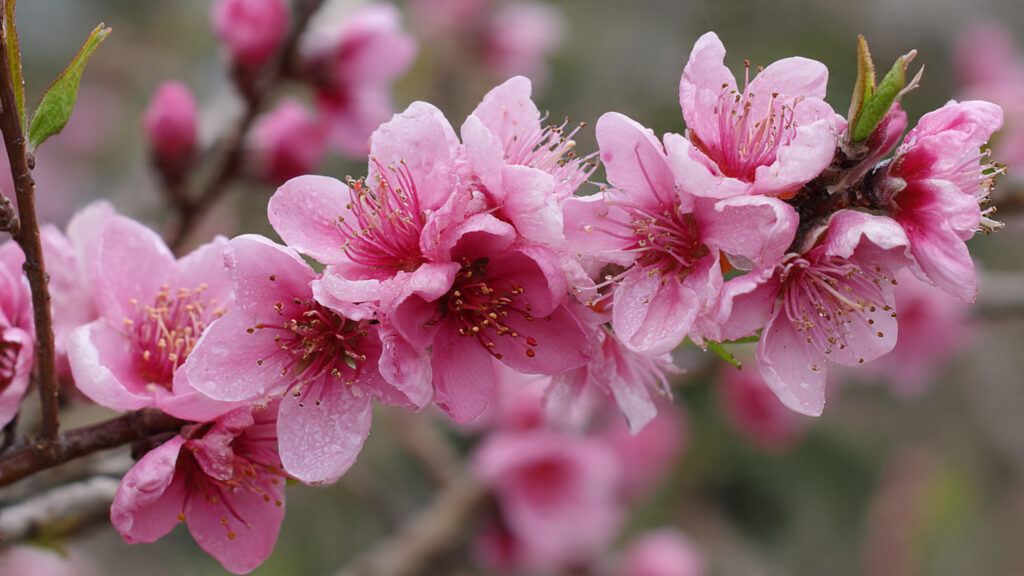
Peach trees (Prunus persica) are a delightful addition to any backyard garden, offering sweet, juicy fruit and beautiful spring blossoms. However, growing peaches in cold climates can be challenging due to their sensitivity to frost, short growing seasons, and the risk of winter damage. Fortunately, modern horticultural techniques, including the cultivation of compact or dwarf peach trees, allow gardeners in colder zones to successfully grow and harvest their own peaches. Compact peach trees are smaller, easier to manage, and fruit earlier than standard varieties, making them ideal for backyard fruit production in regions with harsh winters. This guide will provide comprehensive tips on selecting, planting, caring for, and harvesting compact peach trees for a successful backyard orchard.
Why Choose Compact Peach Trees for Cold Zones?
Traditional peach trees can grow 15–20 feet tall, making them challenging to protect in cold climates and difficult to harvest without ladders. Compact or dwarf peach trees, on the other hand, offer several advantages:
- Cold-Hardy Varieties: Many compact peach cultivars are bred for resistance to frost and late-spring freezes, increasing survival and fruit set in colder regions.
- Early Fruiting: Dwarf trees often produce fruit within 2–3 years, whereas standard trees can take 4–5 years.
- Manageable Size: Typically 6–10 feet tall, compact trees are easier to prune, spray, and harvest.
- Space Efficiency: Ideal for small yards or container growing on patios or decks.
- Better Winter Protection: Smaller trees are easier to cover or insulate against winter damage.
By choosing the right variety, gardeners can enjoy fresh peaches even in zones with cold winters and short growing seasons.
Selecting the Right Variety
Choosing a suitable compact peach tree for cold zones is crucial for success. Consider these factors:
- Cold Hardiness: Select varieties rated for your USDA hardiness zone. Cold-hardy cultivars can withstand temperatures as low as -20°F (-29°C).
- Self-Fertility: Some peach trees require cross-pollination, while self-fertile varieties produce fruit independently.
- Fruit Ripening: Select early or mid-season varieties to ensure fruit matures before fall frosts.
- Disease Resistance: Look for trees resistant to common peach diseases such as peach leaf curl, brown rot, and bacterial spot.
Popular compact peach varieties suitable for colder climates include ‘Contender,’ ‘Reliance,’ and ‘North Star,’ all of which combine cold tolerance with excellent fruit quality.
Choosing the Right Site
The location of your peach tree significantly affects its survival, growth, and fruiting:
- Sunlight: Peach trees need at least 6–8 hours of full sun daily for optimal fruit production.
- Soil Requirements: Well-draining soil is critical; peaches do not tolerate waterlogged roots. Loamy or sandy soil enriched with organic matter is ideal.
- Air Circulation: Avoid low-lying areas prone to frost pockets. Proper airflow reduces disease risk and helps flowers survive spring frosts.
- Slope Orientation: South-facing slopes are preferable in cold zones, as they provide warmth and protect blossoms from late frost.
Selecting the right planting site sets the stage for a healthy tree and abundant harvest.
Planting Compact Peach Trees
Planting technique plays a crucial role in establishing a strong, productive tree:
- Timing: Plant in early spring after the threat of severe frost has passed, while the tree is still dormant.
- Hole Preparation: Dig a hole twice as wide and the same depth as the root ball. Loosen surrounding soil to encourage root spread.
- Root Inspection: Remove broken or damaged roots and soak roots in water for a few hours before planting.
- Planting Depth: Position the tree so that the graft union is 2–3 inches above the soil line. Planting too deep can cause disease or poor growth.
- Backfilling: Fill the hole with soil gently, firming lightly to eliminate air pockets. Water thoroughly after planting.
- Mulching: Apply a 2–3 inch layer of organic mulch around the base to retain moisture and regulate soil temperature, but keep mulch away from the trunk to prevent rot.
Proper planting ensures your compact peach tree establishes quickly and grows vigorously.
Watering and Soil Management
Consistent moisture is essential for healthy growth, especially in the first few years:
- Establishment Phase: Water weekly, providing deep, slow irrigation to encourage strong root growth.
- Mature Trees: Adjust watering based on rainfall and soil type; peaches prefer slightly moist but well-drained soil.
- Avoid Overwatering: Excess water can lead to root rot and disease. Ensure drainage is adequate.
- Soil Fertility: Incorporate compost or aged manure into the planting hole and apply balanced fertilizers during the growing season to support growth and fruit development.
Well-maintained soil and proper watering practices improve fruit quality and tree health.
Pruning and Training Compact Peach Trees
Pruning is essential to shape compact peach trees, promote fruiting, and prevent disease:
- Open-Center Training: Encourage a vase-shaped canopy with 3–5 main scaffold branches. This allows sunlight and air to reach all branches.
- Dormant Pruning: Remove weak, dead, or crowded branches in late winter while the tree is dormant.
- Summer Pruning: Light pruning in summer removes excessive growth and redirects energy to fruiting branches.
- Spur Management: For dwarf varieties, focus on maintaining short fruiting spurs, which produce larger, sweeter fruit.
Regular pruning ensures the tree remains manageable, productive, and healthy in cold climates.
Protecting Trees from Cold and Frost
Even cold-hardy peach trees can be damaged by extreme temperatures or late frosts:
- Frost Protection: Cover young trees or blossoms with frost cloths, blankets, or horticultural fabric during late-spring frosts.
- Wind Protection: Erect barriers or plant near windbreaks to shield trees from chilling winds.
- Soil Insulation: Apply mulch around the root zone to moderate soil temperature during winter.
- Container Trees: Move potted peach trees to sheltered locations or indoors during severe cold.
Cold protection techniques help ensure blossoms survive and fruit develops fully, even in challenging climates.
➡️ How to Grow Malabar Spinach from Cuttings for Fast, Easy Greens
➡️ How to Grow Super Delicious Cabbage at Home Without a Garden
➡️ How to Grow Bean Sprouts at Home in Plastic Bottles Easily (Step‑by‑Step Guide)
➡️ Why is Your Lemon Tree Blooming in the Heart of Winter?
➡️ Why Should Your Garden Have a Dedicated Pollinator Highway?
➡️ Why Do Your Fruit Trees Need a Winter Wash to Thrive in Spring?
➡️ How Can Rice Water Transform Your Fruits into Sweeter Delights?
➡️ Jumpstart Your Winter Garden: Seed Starting Under Lights
Pest and Disease Management
Compact peach trees are susceptible to several pests and diseases, particularly in cold zones where stress can weaken plants:
- Common Pests: Aphids, peach tree borers, scale insects, and mites. Monitor regularly and use organic controls like neem oil or horticultural sprays when necessary.
- Diseases: Peach leaf curl, brown rot, and bacterial spot can reduce fruit quality. Prune infected branches, improve airflow, and apply recommended fungicides if needed.
- Preventive Care: Clean up fallen leaves and fruit to reduce disease reservoirs. Proper pruning, spacing, and watering reduce stress and susceptibility.
Proactive pest and disease management ensures compact peach trees thrive and produce consistently.
Fertilization for Fruit Development
Balanced nutrition supports flowering, fruit set, and development:
- Nitrogen: Promotes leafy growth; apply carefully to avoid excessive vegetative growth at the expense of flowers.
- Phosphorus: Supports root development and flower production.
- Potassium: Enhances fruit quality, size, and sweetness.
- Micronutrients: Zinc, iron, and magnesium are essential for leaf and fruit health.
Fertilize in early spring before bud break and again after fruit set for maximum yield.
Harvesting Your Peaches
Timing and technique are key to harvesting high-quality peaches:
- Maturity Indicators: Fruit is ready when it develops full color, slightly soft to the touch, and easily detaches from the branch.
- Harvest Frequency: Pick ripe fruit every few days to encourage continued fruiting.
- Handling: Avoid bruising by gently twisting or cutting fruit from the tree.
- Post-Harvest Storage: Store in a cool, ventilated location or refrigerate to extend shelf life.
Proper harvesting ensures sweet, juicy peaches and prolongs the harvest season.
Growing Compact Peaches in Containers
Container-grown dwarf peach trees are perfect for cold climates with limited space:
- Pot Size: Use 15–20 gallon containers with adequate drainage holes.
- Soil Mix: Use well-draining potting soil enriched with compost.
- Winter Protection: Move pots indoors or to sheltered locations during frost.
- Pruning: Maintain size and shape through regular pruning.
Container cultivation allows backyard gardeners to enjoy fresh peaches even in cold zones with limited planting space.
Conclusion
Growing compact peach trees in cold zones is both feasible and rewarding with proper planning and care. By selecting cold-hardy, dwarf varieties, providing optimal sunlight, well-draining soil, and consistent watering, and implementing pruning, fertilization, and pest management strategies, gardeners can successfully cultivate backyard peach trees that produce abundant, high-quality fruit.
Compact peach trees are ideal for smaller spaces and container growing, making them accessible to urban and suburban gardeners. With attention to frost protection, seasonal care, and timely harvest, even cold-climate gardeners can enjoy the sweet satisfaction of homegrown peaches. By following these essential tips, your backyard orchard can thrive, yielding delicious fruit season after season and bringing both beauty and bounty to your garden.