Gardening has traditionally been associated with backyards, gardens, and sprawling farmland. However, with urbanization and limited space, gardeners today face the challenge of cultivating fresh vegetables, herbs, and flowers in small spaces. The solution? Growing in bottles. This innovative gardening technique is perfect for apartments, balconies, or tiny yards. By repurposing plastic or glass bottles, you can create a vertical, compact, and highly productive garden while reducing waste. In this guide, we’ll explore how to set up bottle gardens, select the right plants, and maximize your harvests.
1. Why Bottle Gardening Works
Bottle gardening is an example of container gardening, but it has unique advantages:
- Space Efficiency: Vertical arrangements allow multiple plants to grow in limited areas.
- Recycling: Bottles that would otherwise become waste are repurposed into functional planters.
- Controlled Environment: Soil and water levels can be monitored closely, reducing plant stress.
- Mobility: Bottle gardens can be moved indoors or outdoors based on sunlight, temperature, and seasonal needs.
By turning everyday bottles into planters, even urban residents with balconies or small patios can enjoy a lush, productive garden.
2. Selecting Bottles for Gardening
The first step is choosing the right bottles:
- Plastic Bottles: Lightweight, durable, and easy to cut. Ideal for vertical stacking and hanging.
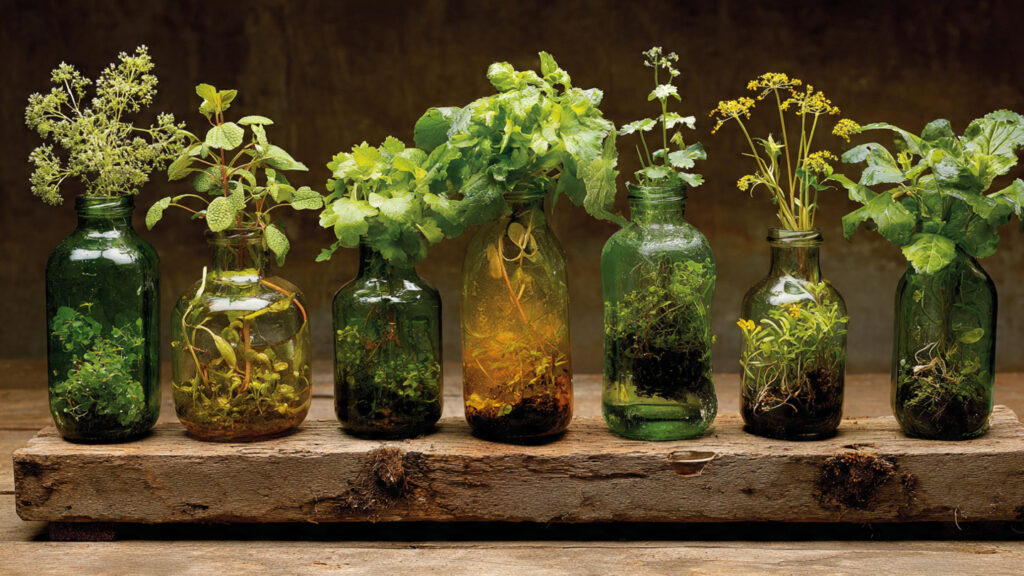
- Glass Bottles: More aesthetically pleasing but heavier and fragile. Best for table-top herb gardens.
- Size Matters: Small bottles (500 ml) are suitable for herbs and microgreens, while larger bottles (1–2 liters) work for vegetables like lettuce, spinach, or cherry tomatoes.
Choose bottles that are clean, free of residues, and structurally sound. Labeling bottles can help track different plant types.
3. Preparing Bottles for Planting
Proper preparation is crucial for plant health:
- Clean Thoroughly: Wash bottles with mild soap to remove any chemicals or dirt.
- Cut for Planting: Cut horizontally for open-top planters or vertically for vertical towers. Keep edges smooth to avoid injury.
- Drainage Holes: Poke small holes in the bottom to allow excess water to escape. This prevents root rot.
- Optional Self-Watering Setup: For vertical towers, use a bottle-in-bottle system where the top bottle feeds water to the bottom one gradually.
With these modifications, bottles become fully functional, safe, and efficient growing containers.
4. Choosing Soil and Nutrients
Since bottles have limited space, using the right soil mix is essential:
- Lightweight Soil: A mixture of garden soil, compost, and sand ensures drainage while retaining nutrients.
- Organic Fertilizers: Liquid fertilizers or slow-release granules provide essential nutrients over time.
- pH Consideration: Most vegetables and herbs prefer slightly acidic to neutral soil (pH 6.0–7.0).
Avoid heavy clay or compacted soils, which can suffocate roots in small bottle containers.
5. Selecting the Best Plants for Bottle Gardening
Not all plants thrive in small containers. Choose species that adapt well to limited soil volume and vertical growth:
- Herbs: Basil, mint, parsley, cilantro, and thyme grow quickly and require minimal space.
- Leafy Greens: Lettuce, spinach, arugula, and kale are ideal for shallow bottles.
- Fruiting Vegetables: Cherry tomatoes, chili peppers, and dwarf eggplants can flourish in larger bottles.
- Microgreens: Radish, mustard, and sunflower microgreens grow in shallow soil and are harvested quickly.
Choosing the right plants ensures higher yields and avoids overcrowding in the small container space.
6. Planting Techniques in Bottles
Here’s how to plant successfully in bottles:
- Fill Bottles: Add 2–3 inches of gravel or pebbles at the bottom for drainage, then fill with prepared soil.
- Sow Seeds or Transplant Seedlings: For small seeds like lettuce or herbs, sprinkle lightly and cover with a thin layer of soil. For seedlings, dig a small hole and place the root ball gently.
- Water Gently: Use a spray bottle or small watering can to avoid disturbing the soil.
- Position Properly: Ensure bottles receive 4–6 hours of sunlight daily. Rotate bottles periodically for even growth.
With careful planting, your bottle garden can become productive within weeks.
7. Watering and Maintenance
Watering is critical in a bottle garden due to limited soil volume:
- Consistent Moisture: Check soil daily and water when the top 1 inch feels dry.
- Avoid Overwatering: Excess water can quickly accumulate in small containers, leading to root rot.
- Fertilize Regularly: Use diluted liquid fertilizer every 2–3 weeks for optimal growth.
Vertical arrangements may require more frequent monitoring, as upper bottles may dry faster than lower ones.
➡️ How to Grow Malabar Spinach from Cuttings for Fast, Easy Greens
➡️ How to Grow Super Delicious Cabbage at Home Without a Garden
➡️ How to Grow Bean Sprouts at Home in Plastic Bottles Easily (Step‑by‑Step Guide)
➡️ Why is Your Lemon Tree Blooming in the Heart of Winter?
➡️ Why Should Your Garden Have a Dedicated Pollinator Highway?
➡️ Why Do Your Fruit Trees Need a Winter Wash to Thrive in Spring?
➡️ How Can Rice Water Transform Your Fruits into Sweeter Delights?
➡️ Jumpstart Your Winter Garden: Seed Starting Under Lights
8. Vertical Bottle Gardening for Maximum Harvests
For small spaces, vertical bottle towers are a game-changer:
- Stacking: Cut openings in bottles and stack them vertically. Each layer can house separate plants.
- Hanging Systems: Hang bottles using strings or wires from railings or ceilings to create floating gardens.
- Wall Gardens: Attach bottles to walls with hooks or brackets for an organized, space-saving setup.
Vertical systems maximize harvests without requiring extra ground space and allow easy access to each plant.
9. Dealing with Pests and Diseases
Bottle gardens, like traditional gardens, may face pests:
- Aphids: Spray with neem oil or soapy water.
- Fungal Issues: Ensure proper spacing and ventilation to prevent mold or mildew.
- Snails and Slugs: Handpick or create barriers to protect leaves.
Regular inspection is easier in a bottle garden because plants are elevated and concentrated in a small area.
10. Harvesting Your Bottle Garden
Harvesting is simple when plants are grown in bottles:
- Leafy Greens: Pick leaves regularly to encourage new growth.
- Herbs: Harvest selectively by snipping stems above a leaf node.
- Fruiting Vegetables: Harvest fully colored fruits like cherry tomatoes or chili peppers promptly to encourage continuous production.
Regular harvesting not only provides fresh produce but also stimulates the plants to continue growing vigorously.
11. Advantages of Bottle Gardening
Bottle gardening offers several benefits for urban gardeners:
- Sustainability: Repurposing bottles reduces plastic waste and promotes eco-friendly practices.
- Accessibility: Easy to maintain in apartments or small balconies.
- Creativity: Customize bottle designs, arrangements, and plant combinations.
- Fresh Produce: Grow nutrient-rich vegetables and herbs at your fingertips.
With minimal investment and creative planning, even the smallest spaces can yield abundant harvests.
12. Creative Ideas to Enhance Your Bottle Garden
Take your bottle gardening to the next level with these ideas:
- Colorful Bottles: Paint bottles with vibrant colors for a decorative effect.
- Themed Gardens: Group herbs, leafy greens, or fruiting plants for aesthetic and practical purposes.
- Educational Garden: Perfect for children—teach them about plant growth and sustainability.
- Mixed Arrangements: Combine flowering plants and vegetables to attract pollinators and improve overall garden health.
A creative approach makes your bottle garden not only productive but visually appealing.
Conclusion
Bottle gardening is a revolutionary approach to urban horticulture, enabling anyone to grow fresh, nutritious plants in even the tiniest spaces. By selecting the right bottles, preparing soil, choosing suitable plants, and adopting efficient watering and maintenance practices, you can achieve maximum harvests without the need for traditional garden beds. Vertical systems, hanging arrangements, and creative designs allow for space optimization while keeping your home green and vibrant.
Whether you are an apartment dweller with limited balcony space or a small backyard gardener looking for innovative techniques, bottle gardening offers endless possibilities. With a bit of creativity, patience, and care, you can enjoy a bountiful, eco-friendly, and visually stunning garden that produces fresh vegetables, herbs, and flowers year-round.