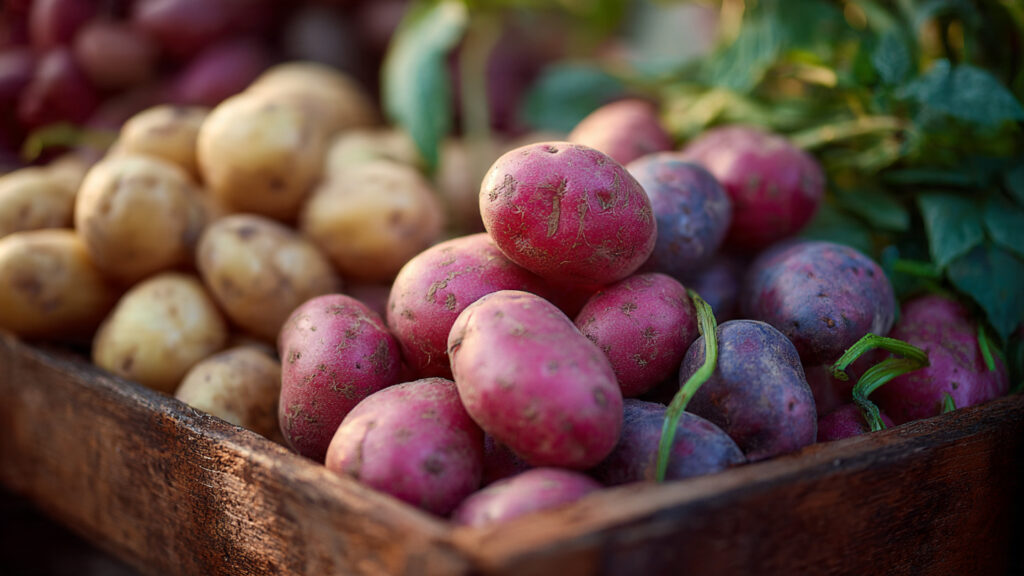
Potatoes are one of the most versatile and widely loved vegetables in the world. They’re not only delicious and filling but also surprisingly easy to grow at home, even in small spaces. With a little planning and care, anyone can produce an abundant harvest of homegrown potatoes, whether you have a backyard garden, a balcony, or even a few large containers. This guide will walk you through simple, effective tips to grow potatoes successfully and maximize your yield.
Why Grow Potatoes at Home?
Growing potatoes at home comes with many benefits:
- Freshness and Flavor: Homegrown potatoes have superior taste compared to store-bought ones. You can harvest them fresh and enjoy them immediately.
- Nutritional Value: Potatoes are rich in vitamin C, potassium, and fiber. Growing your own ensures chemical-free, organic produce.
- Cost-Effective: Potato seeds are inexpensive, and even a few plants can yield a generous supply.
- Sustainability: By growing your own, you reduce reliance on packaged produce and minimize your carbon footprint.
With the right approach, you can enjoy a plentiful potato harvest with minimal effort.
Choosing the Right Potato Varieties
Selecting the right potato variety is crucial for a successful harvest. Potatoes come in several types:
- Early Varieties: These mature quickly (70–90 days) and are perfect if you want fast results. Examples include ‘Red Norland’ and ‘Yukon Gold’.
- Maincrop Varieties: These take longer to mature (100–120 days) but produce larger yields. Examples include ‘Russet Burbank’ and ‘Kennebec’.
- Specialty Varieties: Unique colors or textures, such as purple potatoes or fingerlings, add variety to your garden and table.
Choose varieties suited to your climate and growing season. Early varieties are ideal for short growing seasons, while maincrop varieties are better for longer-term planting.
Preparing for Planting
Potatoes grow best in loose, well-drained soil with plenty of organic matter. Follow these steps to prepare your garden or container:
1. Select a Planting Site
- Sunlight: Potatoes need at least 6–8 hours of direct sunlight daily.
- Soil: Slightly acidic soil (pH 5.5–6.5) is ideal. Avoid heavy clay soil, as it can hinder tuber development.
2. Prepare Seed Potatoes
Seed potatoes are small potato tubers specifically grown for planting. Here’s how to prepare them:
- Cutting: Large seed potatoes can be cut into pieces with at least one or two eyes each.
- Healing: Let cut pieces dry for 24–48 hours to form a protective layer over the cut surface. This reduces the risk of rot.
- Chitting (Optional): Place seed potatoes in a cool, bright location for a few weeks to sprout small shoots before planting. This encourages faster growth.
Planting Potatoes
Potatoes can be grown directly in the ground, raised beds, or even containers. The planting method depends on your space and preference.
1. In the Garden
- Trench Planting: Dig trenches about 6–8 inches deep.
- Spacing: Place seed potato pieces 12 inches apart, with eyes facing up.
- Covering: Cover with 3–4 inches of soil initially.
2. In Containers or Bags
- Choose a Container: Large pots, buckets, or grow bags with drainage holes work well.
- Planting: Add 4–6 inches of soil or compost at the bottom, place the seed potatoes, and cover lightly.
- Hilling: As shoots grow, add more soil to cover stems, leaving the top leaves exposed. This encourages tuber formation along the buried stem.
3. In Raised Beds
- Soil Depth: At least 12 inches deep with loose soil and compost.
- Spacing: Same as garden planting, 12 inches apart.
- Drainage: Ensure good drainage to prevent waterlogging.
Caring for Potato Plants
Once planted, proper care ensures healthy growth and abundant harvests.
1. Watering
Potatoes need consistent moisture, especially during tuber formation. Key points:
- Water deeply once or twice a week, depending on rainfall.
- Avoid overwatering, which can cause rot or disease.
- Reduce watering as plants approach harvest to toughen the skin.
2. Fertilizing
Potatoes are heavy feeders and benefit from organic nutrients:
- Before Planting: Mix compost or well-rotted manure into the soil.
- During Growth: Side-dress with compost or organic fertilizer every few weeks.
- Avoid Excess Nitrogen: Too much nitrogen promotes leafy growth at the expense of tubers.
3. Hilling
Hilling is the process of piling soil around the base of growing potato plants. Benefits include:
- Protects tubers from sunlight (which turns them green and toxic).
- Encourages more tuber formation along the buried stems.
- Supports the plant against wind damage.
Hilling should be done 2–3 times during the growing season, especially as shoots reach 6–8 inches tall.
4. Pest and Disease Management
Common pests include potato beetles, aphids, and wireworms. Preventive measures:
- Handpick pests when possible.
- Encourage beneficial insects like ladybugs and lacewings.
- Rotate crops yearly to reduce soil-borne diseases.
- Avoid planting potatoes in the same spot for more than two years in a row.
Diseases like blight can devastate crops. Ensure good air circulation, avoid overhead watering, and remove affected plants promptly.
➡️ How to Grow Malabar Spinach from Cuttings for Fast, Easy Greens
➡️ How to Grow Super Delicious Cabbage at Home Without a Garden
➡️ How to Grow Bean Sprouts at Home in Plastic Bottles Easily (Step‑by‑Step Guide)
➡️ Why is Your Lemon Tree Blooming in the Heart of Winter?
➡️ Why Should Your Garden Have a Dedicated Pollinator Highway?
➡️ Why Do Your Fruit Trees Need a Winter Wash to Thrive in Spring?
➡️ How Can Rice Water Transform Your Fruits into Sweeter Delights?
➡️ Jumpstart Your Winter Garden: Seed Starting Under Lights
Harvesting Potatoes
Knowing when and how to harvest is key to enjoying your bounty.
1. Early Harvest
- Small, tender “new potatoes” can be harvested about 10 weeks after planting, when plants begin flowering.
- Carefully dig around the base to avoid damaging tubers.
2. Main Harvest
- For mature potatoes, wait until the foliage has yellowed and died back.
- Loosen soil with a fork and gently lift the tubers.
- Handle with care to avoid bruising, which shortens storage life.
Storing Potatoes
Proper storage extends the shelf life of your harvest:
- Curing: Let freshly dug potatoes sit in a cool, dark, ventilated area for 1–2 weeks to toughen the skin.
- Storage Conditions: Ideal storage temperature is 45–50°F (7–10°C), in darkness with good ventilation.
- Avoid Moisture: Moist or wet potatoes rot quickly. Do not wash until ready to use.
With proper care, your homegrown potatoes can last for several months.
Maximizing Your Harvest
Here are some additional tips to increase potato yields:
- Succession Planting: Plant early and maincrop varieties at staggered intervals to enjoy a longer harvest period.
- Intercropping: Grow potatoes alongside beans, cabbage, or corn to utilize space efficiently and deter pests.
- Mulching: Use straw or leaves to retain soil moisture, suppress weeds, and regulate temperature.
- Container Optimization: Use tall containers or potato towers to allow more soil volume, which leads to bigger harvests.
Fun Variations and Specialty Potatoes
Experimenting with different varieties can add excitement to your harvest:
- Purple Potatoes: High in antioxidants and visually striking.
- Fingerlings: Small, waxy tubers perfect for roasting.
- Red-Skinned Potatoes: Sweet and ideal for salads.
Growing a mix of potatoes allows you to enjoy a variety of flavors, textures, and colors throughout the season.
Common Mistakes to Avoid
Even beginners can avoid common pitfalls:
- Planting in heavy, waterlogged soil
- Using supermarket potatoes (they may be treated to prevent sprouting)
- Over-fertilizing with nitrogen
- Harvesting too early or too late
Paying attention to soil, water, and planting techniques ensures success.
Why Homegrown Potatoes Are Worth It
The satisfaction of harvesting your own potatoes is hard to beat. Every stage of growth, from green shoots poking through the soil to pulling up a tuber-laden plant, is rewarding. Homegrown potatoes:
- Taste fresher than store-bought
- Reduce grocery costs
- Encourage sustainable gardening practices
- Connect you to the natural growing cycle
Even if you start small, your potato plants can provide enough for family meals, preserving, or sharing with neighbors.
Final Thoughts
Growing potatoes at home is easier than many people think. With the right varieties, preparation, and care, you can enjoy a reliable, abundant harvest season after season. Whether in a backyard garden, raised bed, or container, potatoes reward attention with rich, flavorful, and versatile produce.
Start with a few seed potatoes this season, follow these simple tips, and watch as your home garden transforms into a potato haven. From planting to harvesting, each step brings satisfaction, fresh food, and the joy of nurturing life from soil to table.
With patience, proper care, and a little enthusiasm, anyone can grow potatoes at home easily and enjoy the abundance of one of the world’s most beloved vegetables.