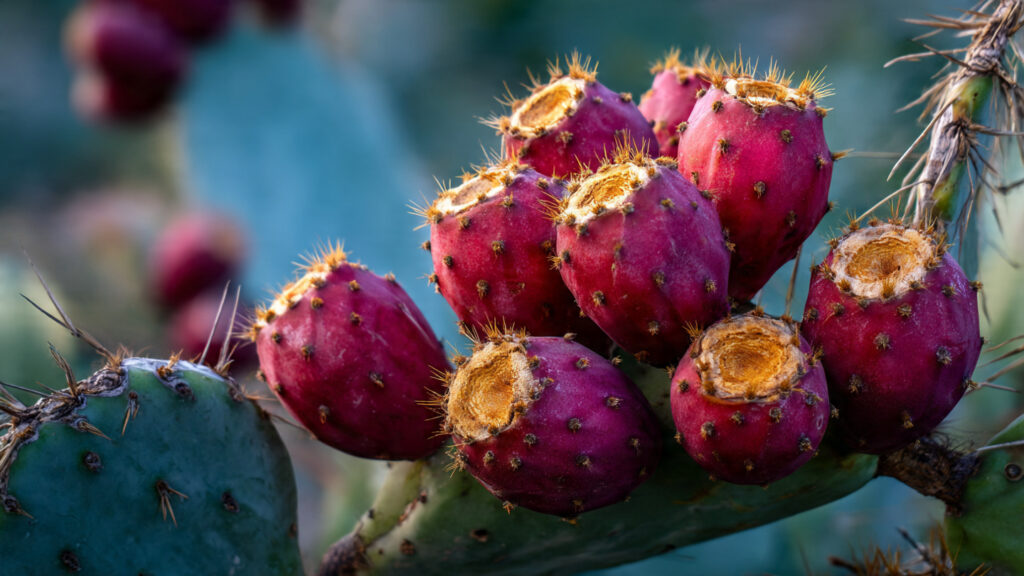
Prickly pear (Opuntia spp.) is an extraordinary plant that combines ornamental beauty, edible value, and environmental resilience. Known for its flat, paddle-shaped cladodes, vibrant yellow or red flowers, and delicious fruit, prickly pear is more than just a cactus—it’s a versatile component of sustainable landscaping. Home gardeners, landscapers, and eco-conscious growers are increasingly turning to prickly pear as a low-maintenance, water-wise plant that adds visual interest, edible produce, and ecological benefits to the garden. This guide will explain how to cultivate prickly pear successfully as an edible landscape plant and incorporate it into sustainable gardening practices.
Understanding Prickly Pear and Its Benefits
Before planting, it’s important to understand what makes prickly pear special:
- Botanical classification: Prickly pear belongs to the genus Opuntia, a group of cacti native to the Americas. Popular species for cultivation include Opuntia ficus-indica, O. humifusa, and O. engelmannii.
- Growth habit: These cacti form upright or sprawling clumps, with thick, fleshy pads that store water and tolerate drought.
- Flowers and fruit: Large, colorful flowers bloom in late spring or summer, followed by edible, sweet-tasting fruits known as “tunas.”
- Environmental benefits: Prickly pear supports pollinators, provides habitat for wildlife, reduces water consumption, and can help control soil erosion.
By understanding its natural resilience and multiple uses, gardeners can leverage prickly pear for both aesthetic and practical purposes.
Why Prickly Pear is Ideal for Sustainable Gardening
Prickly pear is an excellent choice for eco-friendly landscapes:
- Drought tolerance: Its succulent pads store water, making it ideal for xeriscaping and areas with limited rainfall.
- Low maintenance: Once established, prickly pear requires minimal watering and fertilization.
- Edible harvests: Both the fruit and young pads (nopales) are edible, nutritious, and rich in fiber, vitamins, and antioxidants.
- Soil stabilization: Its deep roots prevent erosion and improve soil structure.
- Pollinator attraction: Flowers attract bees, butterflies, and hummingbirds, supporting biodiversity.
These characteristics make prickly pear a perfect candidate for gardens designed to conserve resources and support local ecosystems.
Selecting the Right Variety
Choosing the right prickly pear species depends on your climate, aesthetics, and edible goals:
- Opuntia ficus-indica: Large pads and sweet fruits; popular in culinary use and for jams or fresh consumption.
- Opuntia humifusa: Cold-hardy variety suitable for temperate regions; produces smaller but flavorful fruits.
- Opuntia engelmannii: A sprawling cactus with attractive purple-tinted pads and edible fruit, ideal for arid landscapes.
Consider your local climate and intended use when selecting a variety. Cold-hardy types are best for areas with frost, while tropical varieties thrive in warmer, drier climates.
Choosing the Perfect Planting Site
Prickly pear requires a sunny, well-drained location:
- Sunlight: Full sun exposure (6–8 hours daily) is essential for healthy growth and abundant fruiting.
- Soil: Sandy or gravelly soil with excellent drainage is ideal. Avoid clay-heavy soils that retain moisture, which can lead to root rot.
- Spacing: Plant pads 3–5 feet apart to accommodate sprawling growth. For smaller varieties, 2–3 feet may suffice.
- Wind protection: A sunny, protected spot minimizes pad damage in areas prone to strong winds.
Proper site selection ensures vigorous growth, vibrant flowers, and productive fruiting.
Propagating Prickly Pear
Prickly pear is easy to propagate through pads, making it accessible for home gardeners:
- Pad propagation:
- Cut a healthy pad from the parent plant.
- Let the pad callus over for 5–7 days in a dry, shaded area. This reduces the risk of rot.
- Plant the pad upright in well-draining soil, burying the cut end 1–2 inches deep.
- Water lightly after planting, then reduce watering until roots establish.
- Seed propagation:
- Collect seeds from ripe fruits and clean them thoroughly.
- Scarify seeds lightly and soak them overnight to improve germination.
- Sow in a well-draining seed mix and keep soil moist but not waterlogged.
- Germination may take 2–4 weeks or longer.
Pad propagation is faster and more reliable for edible landscaping, while seed propagation allows for genetic diversity and experimentation.
Caring for Prickly Pear
Once planted, maintaining healthy prickly pear requires minimal but thoughtful care:
- Watering: Established plants are drought-tolerant. Water deeply but infrequently during prolonged dry spells. Young pads require more regular watering for the first few weeks.
- Fertilization: Use low-nitrogen, slow-release fertilizers in early spring to encourage pad growth and fruit production. Excess nitrogen can promote pads at the expense of flowers and fruit.
- Pruning: Remove damaged, diseased, or overcrowded pads. Pruning maintains airflow and plant shape.
- Pest management: Watch for scale insects, aphids, or cochineal bugs. Manual removal or organic sprays like neem oil can control infestations.
Consistent but minimal care is sufficient to maintain healthy, productive prickly pear plants.
Harvesting Edible Pads and Fruit
Prickly pear offers a dual harvest: nopales (pads) and tunas (fruit):
- Nopales: Harvest young, tender pads in spring or early summer. Use gloves to avoid spines, and remove small glochids (hair-like spines) before cooking. Nopales are excellent grilled, sautéed, or added to salads.
- Tunas: Harvest fruit when fully colored and slightly soft. Handle carefully to avoid spines. Peel the skin before consuming or making jams, jellies, and beverages.
Regular harvesting encourages continued flowering and fruiting while keeping plants manageable.
➡️ How to Grow Malabar Spinach from Cuttings for Fast, Easy Greens
➡️ How to Grow Super Delicious Cabbage at Home Without a Garden
➡️ How to Grow Bean Sprouts at Home in Plastic Bottles Easily (Step‑by‑Step Guide)
➡️ Why is Your Lemon Tree Blooming in the Heart of Winter?
➡️ Why Should Your Garden Have a Dedicated Pollinator Highway?
➡️ Why Do Your Fruit Trees Need a Winter Wash to Thrive in Spring?
➡️ How Can Rice Water Transform Your Fruits into Sweeter Delights?
➡️ Jumpstart Your Winter Garden: Seed Starting Under Lights
Integrating Prickly Pear into Edible Landscaping
Prickly pear is both functional and decorative:
- Borders and hedges: Its spiny pads form natural barriers to deter pests and animals.
- Pollinator gardens: Vibrant flowers attract bees and butterflies.
- Container gardening: Smaller varieties thrive in pots, ideal for patios and balconies.
- Mixed landscapes: Pair with succulents, agaves, or native grasses for a sustainable, low-water garden.
By incorporating prickly pear into edible landscaping, gardeners can enjoy aesthetics, utility, and environmental benefits simultaneously.
Preventing Common Problems
Prickly pear is hardy but can face challenges:
- Root rot: Avoid overwatering and poorly drained soil. Use raised beds or mounds in clay soils.
- Fungal infections: Ensure good airflow and avoid overhead watering.
- Cold damage: Mulch or cover cold-hardy varieties during frost. Tropical varieties may need indoor protection in colder climates.
- Pest pressure: Inspect pads regularly and remove insects manually or with organic sprays.
Proactive management ensures long-term plant health and productivity.
Advantages of Growing Prickly Pear in Sustainable Gardens
Prickly pear supports eco-friendly gardening practices:
- Water conservation: Minimal irrigation is required once established.
- Soil improvement: Deep roots enhance soil structure and prevent erosion.
- Biodiversity: Flowers support pollinators, and fruit feeds birds and small wildlife.
- Low maintenance: Reduces the need for chemical fertilizers and pesticides.
- Edible and decorative: Offers both functional and aesthetic value, enhancing the garden’s productivity and appeal.
These traits make prickly pear an excellent choice for sustainable, low-input gardens.
Conclusion
Prickly pear is an outstanding plant for gardeners seeking aesthetic beauty, edible value, and sustainable practices. By selecting the right variety, providing well-draining soil, choosing an ideal planting site, and following proper propagation, watering, and maintenance techniques, home gardeners can enjoy a thriving prickly pear garden. Its vibrant flowers, nutritious pads, and sweet fruits make it both a culinary and visual delight, while its drought tolerance and minimal maintenance support environmentally responsible gardening.
Whether integrated as a colorful edible border, container plant, or central feature in a xeriscape, prickly pear demonstrates that sustainable gardening can be both productive and visually stunning. By cultivating this remarkable cactus, gardeners can enjoy fresh, edible produce while promoting biodiversity, conserving water, and creating a resilient, low-maintenance landscape that is a joy to experience year after year.