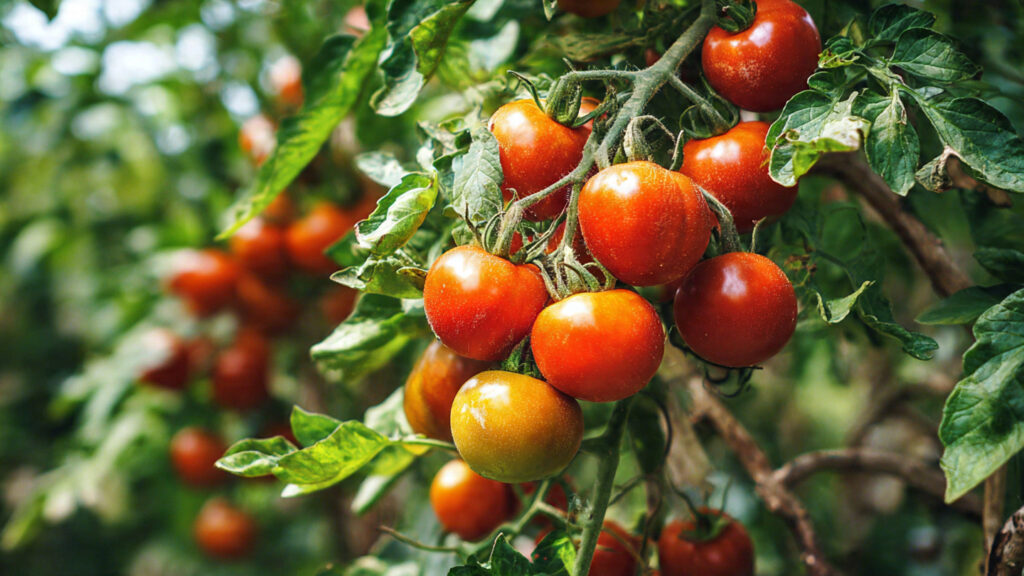
Tomatoes are one of the most beloved vegetables worldwide, a staple in salads, sauces, and countless recipes. Yet, many home gardeners struggle with small yields, pest infestations, and uneven fruit growth. What if there were a method to grow tomatoes that produces large, juicy fruits while keeping pests at bay? In 2026, smart home gardening techniques make this possible, allowing even beginners to enjoy a bountiful tomato harvest with minimal stress.
This guide will walk you through a step-by-step approach to growing tomatoes in a way that maximizes fruit size, improves flavor, and ensures your plants remain healthy and pest-free.
Why Traditional Tomato Growing Often Fails
Many gardeners face challenges with tomato plants:
- Small fruits: Often caused by overcrowding, poor soil nutrients, or irregular watering.
- Pest attacks: Aphids, whiteflies, and tomato hornworms can quickly damage plants.
- Disease susceptibility: Overwatering and poor airflow can lead to fungal infections like blight.
The smart home gardening method combines soil optimization, vertical planting, natural pest deterrents, and strategic pruning to overcome these challenges.
Step 1: Choosing the Right Tomato Variety
Start with the right tomato variety. Large-fruited, indeterminate tomatoes are ideal for this method. These include:
- Beefsteak varieties – produce thick, juicy fruits.
- Heirloom varieties – flavorful and visually appealing.
- Cherry tomatoes – ideal for continuous harvesting and small spaces.
Choosing a disease-resistant variety is also crucial. Modern hybrid seeds often come with built-in resistance to common fungal and bacterial diseases, reducing the need for chemical sprays.
Step 2: Preparing Rich, Well-Draining Soil
Soil quality is the foundation of large, healthy tomatoes. Here’s how to prepare it for success:
- Mix organic compost and garden soil – This improves nutrient content and structure.
- Add well-rotted manure – Provides essential nitrogen and potassium for strong growth.
- Incorporate sand or perlite – Ensures proper drainage, preventing root rot.
- Maintain pH between 6.0 and 6.8 – Tomatoes thrive in slightly acidic soil.
Healthy soil not only promotes vigorous plant growth but also strengthens the plant’s natural defenses against pests.
Step 3: Planting Strategically for Maximum Growth
Spacing and placement are critical to achieving large fruits and minimizing pests:
- Vertical support: Use stakes, cages, or trellises. Vertical planting improves airflow and sunlight exposure, reducing fungal infections.
- Proper spacing: Maintain 24–36 inches between plants to prevent overcrowding. Crowding increases humidity around leaves, which can attract pests and diseases.
- Sunlight: Tomato plants need 6–8 hours of direct sunlight per day for optimal growth.
Strategic planting encourages robust root systems, stronger stems, and larger fruits.
Step 4: Smart Watering Techniques
Tomatoes are sensitive to watering practices. Both overwatering and underwatering can reduce fruit size and make plants vulnerable to pests.
- Drip irrigation: Delivers water directly to roots, reducing water wastage and leaf wetness.
- Deep watering: Encourage roots to grow deeper by watering slowly once or twice a week instead of frequent shallow watering.
- Mulching: Use straw, dried leaves, or coconut husk around the base to retain moisture and prevent soil-borne pests.
Consistent moisture prevents stress on the plant, which is essential for large, uniform fruit development.
Step 5: Fertilizing for Giant Fruits
Fertilization plays a critical role in producing large, flavorful tomatoes:
- Starter fertilizer: High in phosphorus for root development during the first few weeks.
- Balanced feed: Once the plant is established, switch to a fertilizer with a balanced NPK ratio (Nitrogen-Phosphorus-Potassium).
- Potassium boost: Potassium encourages flowering and fruit size. You can supplement with organic sources like banana peels or wood ash.
- Foliar sprays: Apply natural foliar sprays like seaweed extract to enhance nutrient absorption and pest resistance.
Regular fertilization ensures your tomato plants have the energy to produce big, juicy fruits while staying healthy.
Step 6: Pruning and Training for Large Fruits
One of the most overlooked steps in tomato gardening is pruning. Smart pruning techniques focus the plant’s energy on fruit production rather than excessive foliage growth:
➡️ How to Grow Malabar Spinach from Cuttings for Fast, Easy Greens
➡️ How to Grow Super Delicious Cabbage at Home Without a Garden
➡️ How to Grow Bean Sprouts at Home in Plastic Bottles Easily (Step‑by‑Step Guide)
➡️ Why is Your Lemon Tree Blooming in the Heart of Winter?
➡️ Why Should Your Garden Have a Dedicated Pollinator Highway?
➡️ Why Do Your Fruit Trees Need a Winter Wash to Thrive in Spring?
➡️ How Can Rice Water Transform Your Fruits into Sweeter Delights?
➡️ Jumpstart Your Winter Garden: Seed Starting Under Lights
- Remove suckers: Suckers are small shoots growing in leaf axils. Removing them channels energy into developing larger fruits.
- Top the plant: For indeterminate varieties, topping after several sets of flowers encourages fruit ripening.
- Trim lower leaves: Prevent soil-borne diseases by trimming leaves that touch the ground.
Proper training and pruning result in better air circulation, stronger stems, and significantly larger tomatoes.
Step 7: Natural Pest Management
One of the highlights of this method is its focus on keeping plants almost pest-free using natural strategies:
- Companion planting: Grow basil, marigold, or nasturtium near tomatoes. These plants repel aphids, whiteflies, and nematodes.
- Neem oil sprays: A natural, non-toxic option to deter pests without harming beneficial insects.
- Sticky traps: Place yellow sticky traps around the garden to catch flying pests.
- Manual removal: Regularly inspect plants and remove visible pests by hand.
By integrating these pest management strategies, you can avoid harmful chemical sprays while maintaining healthy, productive plants.
Step 8: Supporting Fruit Development
To ensure tomatoes grow large and juicy:
- Limit fruit per cluster: For indeterminate varieties, remove smaller or excess fruits in a cluster, allowing the plant to focus nutrients on fewer, bigger tomatoes.
- Consistent care: Watering, pruning, and fertilizing consistently throughout the growing season helps maximize fruit size.
- Pollination aid: Gently shake flowers or use a soft brush to assist pollination in indoor or covered gardens.
These small adjustments can dramatically increase the size and quality of your tomatoes.
Step 9: Harvesting at the Right Time
Timing is everything when harvesting tomatoes:
- Color check: Wait until the tomato reaches its full color. Red, yellow, or orange varieties each have distinct visual cues.
- Firm but soft: Gently squeeze to check firmness. Tomatoes should be slightly soft but not mushy.
- Regular harvesting: Picking ripe fruits encourages the plant to produce more flowers and subsequent fruits.
Proper harvesting ensures maximum yield, better flavor, and continued plant health.
Step 10: Smart Gardening Tips for Home Tomato Success
For home gardeners looking for consistent results, keep these tips in mind:
- Use containers if space is limited: Large pots or grow bags are perfect for terraces or balconies.
- Rotate crops yearly: Prevent soil-borne diseases by planting tomatoes in different locations each year.
- Monitor humidity and temperature: Tomatoes thrive in moderate climates; avoid extreme heat or cold.
- Record observations: Keep a garden journal of watering, fertilization, and pest patterns to improve your methods each season.
Combining these smart gardening techniques with the methods outlined above ensures your home tomato garden thrives year after year.
Final Thoughts
Growing large, juicy, and almost pest-free tomatoes at home is no longer a distant dream. By combining proper soil preparation, smart watering, pruning, natural pest management, and consistent care, home gardeners can enjoy bountiful tomato harvests even in small spaces.
The key is to work with the plant’s natural growth tendencies, channel nutrients efficiently, and adopt sustainable practices that minimize pests without chemicals. In 2026, smart home gardening is about blending science, nature, and creativity to produce results that are visually stunning, delicious, and environmentally friendly.
With this method, you don’t just grow tomatoes—you cultivate a thriving, healthy, and productive garden that rewards your care with large fruits and minimal pest problems. Start today, and watch your tomato plants transform into a source of pride, flavor, and joy in your home garden.