There’s nothing quite like the taste of a sun-ripened, juicy melon straight from your own garden. Watermelons, cantaloupes, honeydews — these summer favorites are sweet, refreshing, and incredibly rewarding to grow at home. While many beginners shy away from cultivating melons because they are seen as “difficult” or “space-consuming,” the truth is that with the right techniques and a little planning, anyone can enjoy a bountiful harvest of homegrown melons.
This guide will walk you through everything you need to know, from selecting varieties to planting, watering, and harvesting melons successfully.
Why Grow Melons at Home?
Growing melons at home offers a variety of benefits beyond just their delicious flavor:
- Unmatched Freshness: Store-bought melons often ripen off the vine, which can compromise sweetness. Homegrown melons are naturally sweeter and more flavorful.
- Health Benefits: Melons are low in calories, high in water content, and packed with vitamins A and C, making them a nutritious summer treat.
- Cost-Effective: Growing your own reduces grocery expenses while giving you an abundant supply.
- Satisfying Experience: Watching your melons grow from small seedlings to fully ripe fruits is deeply rewarding and encourages gardening confidence.
Choosing the Right Melon Variety
Selecting the right variety is crucial for beginner gardeners. Some melons are easier to grow, more compact, and quicker to mature. Popular beginner-friendly options include:
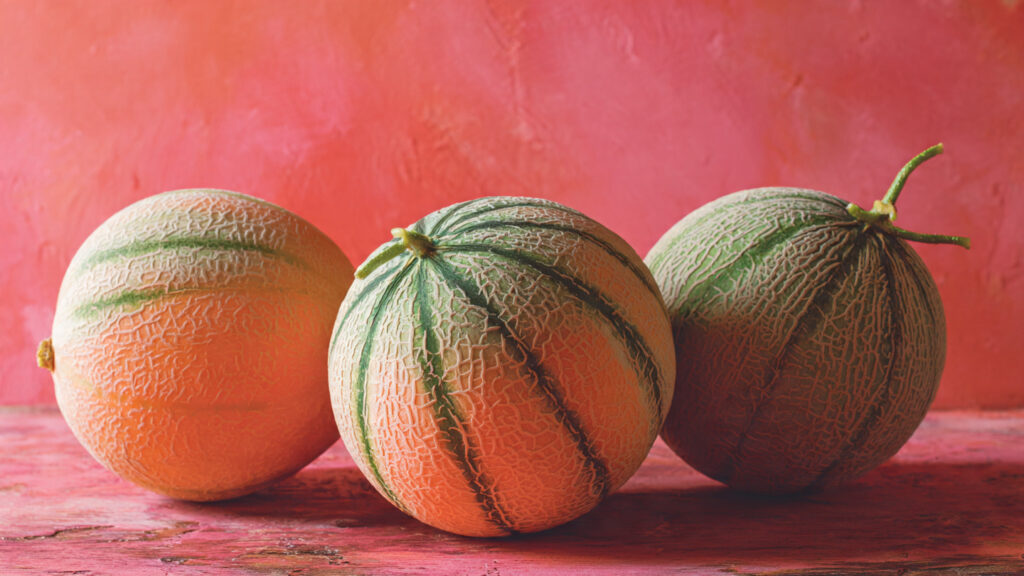
- Cantaloupe (Muskmelon): Sweet, aromatic flesh; ideal for small to medium garden spaces.
- Honeydew: Mild and juicy; prefers warm soil and consistent watering.
- Watermelon: Classic summer favorite; requires more space but yields large, refreshing fruits.
- Mini Melons: Varieties like
Sugar CubeorMini Watermelonare perfect for small gardens or containers.
When selecting varieties, consider:
- Space Available: Larger watermelons need ample ground space, while cantaloupes and mini melons can thrive in raised beds or containers.
- Growing Season: Short-season varieties mature faster, ideal for cooler climates with limited summer months.
- Disease Resistance: Choose varieties resistant to powdery mildew or fusarium wilt to reduce challenges for beginners.
Starting Seeds Indoors
Starting seeds indoors gives melons a head start, especially in regions with shorter summers. Here’s how:
- Timing: Sow seeds indoors 3–4 weeks before the last expected frost.
- Containers: Use seed trays, peat pots, or small containers with drainage holes.
- Soil: Use a lightweight seed-starting mix that retains moisture but drains well.
- Temperature: Maintain soil temperature between 70–85°F (21–29°C) for optimal germination.
- Watering: Keep the soil moist but not soggy. Overwatering can cause seeds to rot.
- Sunlight: Place seedlings near a bright window or under grow lights for 12–14 hours daily.
Once seedlings have two to three true leaves, they are ready for transplanting outdoors.
Preparing the Garden Bed
Melons thrive in warm, fertile soil with plenty of sunlight and space to sprawl. Preparing your garden bed properly ensures a healthy start:
- Choose a Sunny Location: Melons need 6–8 hours of full sun daily.
- Soil Preparation: Work the soil to a depth of 12–18 inches, incorporating compost or well-rotted manure for fertility and structure.
- pH Level: Ideal soil pH is 6.0–6.8; amend soil with lime or sulfur if needed.
- Spacing: Space melons according to variety; for example, cantaloupes need about 2–3 feet between plants, while watermelons may need 5–6 feet.
- Mulching: Apply straw or plastic mulch to retain moisture, suppress weeds, and keep fruits clean.
Planting Your Melons
Transplant seedlings outdoors once the soil temperature consistently reaches 70°F (21°C). Follow these planting tips:
- Harden Off Seedlings: Gradually expose seedlings to outdoor conditions for 7–10 days before transplanting.
- Plant Depth: Place seedlings at the same depth as they grew in their containers.
- Water Thoroughly: After planting, water gently but deeply to settle the soil around the roots.
- Support and Training: For vining varieties, consider using trellises or cages to save space and improve airflow.
Watering and Care
Consistent watering is key to juicy, sweet melons:
- Regular Watering: Keep soil evenly moist, especially during flowering and fruit development.
- Avoid Wet Foliage: Water at the base of the plant to prevent powdery mildew and fungal diseases.
- Deep Watering: Encourage strong root systems by watering deeply once or twice a week rather than shallow, frequent watering.
- Reduce Water Before Harvest: Slightly reducing water in the final weeks before harvest can concentrate sugars and improve sweetness.
Fertilizing for Maximum Yield
Melons are heavy feeders and benefit from regular fertilization:
- Before Planting: Incorporate a balanced fertilizer or compost into the soil.
- During Growth: Side-dress with nitrogen-rich fertilizer until vines begin flowering.
- During Fruit Development: Switch to a phosphorus and potassium-rich fertilizer to promote larger, sweeter fruits.
- Avoid Overfertilization: Excess nitrogen can lead to lush foliage but fewer fruits.
Pollination
Melons rely on insects, particularly bees, for pollination. Without pollination, fruits will fail to develop.
- Encourage Pollinators: Plant flowers nearby to attract bees and beneficial insects.
- Hand Pollination: For gardens with few pollinators, use a small paintbrush to transfer pollen from male to female flowers.
- Recognize Flower Types: Male flowers usually appear first, while female flowers can be identified by the tiny fruit at the base.
Harvesting Your Melons
Knowing when to harvest is crucial for optimal flavor:
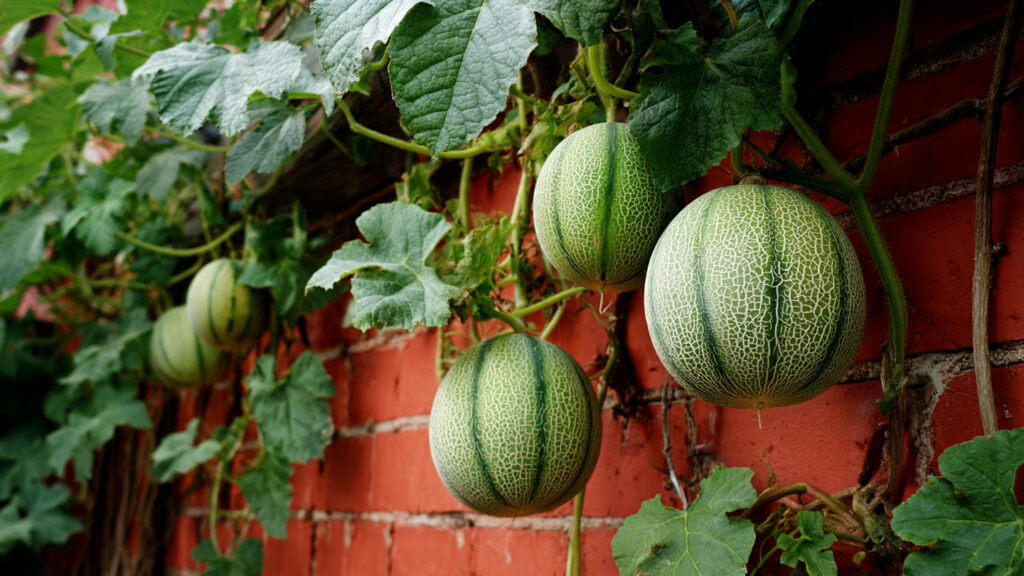
- Cantaloupes: Ripe when the skin turns golden and the fruit slips easily from the vine.
- Honeydew: Slightly soft at the blossom end, with a creamy-colored skin.
- Watermelon: Ripe when the tendril nearest the fruit turns brown and the underside develops a creamy yellow spot.
- Timing: Harvest in the morning when fruits are cool for best flavor and shelf life.
Common Challenges and How to Overcome Them
Even beginner-friendly melons face occasional issues:
- Powdery Mildew: Prevent by watering at the base and providing ample spacing. Use fungicides if necessary.
- Aphids and Beetles: Spray with neem oil or insecticidal soap.
- Poor Fruit Set: Ensure adequate pollination and avoid excessive nitrogen.
- Birds or Squirrels: Protect fruits with netting or bird scare devices.
Consistent monitoring and proactive care prevent minor problems from turning into major setbacks.
➡️ How to Grow Malabar Spinach from Cuttings for Fast, Easy Greens
➡️ How to Grow Super Delicious Cabbage at Home Without a Garden
➡️ How to Grow Bean Sprouts at Home in Plastic Bottles Easily (Step‑by‑Step Guide)
➡️ Why is Your Lemon Tree Blooming in the Heart of Winter?
➡️ Why Should Your Garden Have a Dedicated Pollinator Highway?
➡️ Why Do Your Fruit Trees Need a Winter Wash to Thrive in Spring?
➡️ How Can Rice Water Transform Your Fruits into Sweeter Delights?
➡️ Jumpstart Your Winter Garden: Seed Starting Under Lights
Benefits of Growing Your Own Melons
Homegrown melons provide more than just delicious fruit:
- Superior Flavor: Vines ripen the fruit naturally, resulting in unmatched sweetness.
- Nutrition: Freshly harvested melons retain maximum vitamins and antioxidants.
- Gardening Enjoyment: Watching vines climb, bloom, and produce fruit is incredibly rewarding.
- Family Fun: Gardening teaches children patience, responsibility, and a love for fresh food.
- Sustainability: Growing your own reduces reliance on store-bought produce and supports eco-friendly living.
Final Thoughts
Growing melons at home doesn’t have to be intimidating. By choosing the right variety, preparing soil, providing consistent care, and paying attention to pollination and harvesting, even beginner gardeners can enjoy sweet, juicy melons straight from their backyard.
A little patience and daily attention go a long way. With these techniques, your garden will become a source of refreshing, flavorful fruits that bring summer joy to your table. Homegrown melons are not just a treat; they are a rewarding experience that connects you to nature, flavor, and the satisfaction of growing your own food.
Start today, and soon you’ll be slicing into melons that taste far superior to anything you can buy in stores — a delicious reward for your gardening efforts.