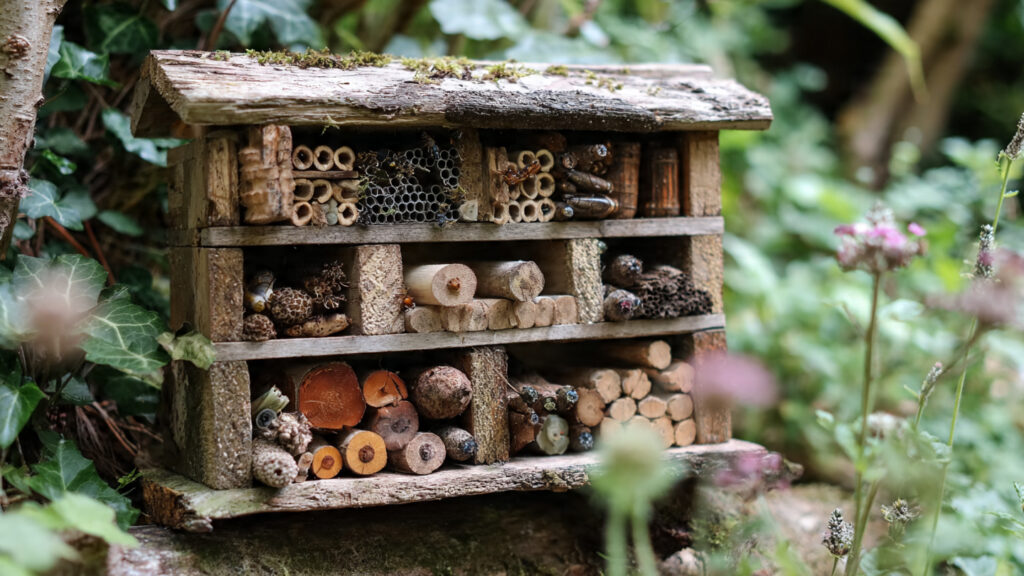
Summer can be a challenging season for gardeners. Intense heat, dry spells, and relentless sun can stress plants, reduce yields, and make it harder to maintain a thriving garden. Yet, there is a natural and surprisingly effective solution to help your garden withstand the summer heat: the bug hotel. These structures may look simple—or even whimsical—but they play a crucial role in supporting beneficial insects that promote plant health, pollination, and pest control. By understanding how a bug hotel works, how to build one, and why it matters, gardeners can transform their gardens into resilient, flourishing spaces, even during the hottest months.
In this guide, we’ll explore the benefits of bug hotels, how to attract helpful insects, placement strategies, and practical tips for maximizing their impact in your summer garden.
What Is a Bug Hotel?
A bug hotel, sometimes called an insect house, is a man-made structure designed to provide shelter for beneficial insects. These insects, in turn, contribute to the health and productivity of your garden.
Bug hotels can be as simple as a bundle of twigs in a wooden frame or as elaborate as a multi-chambered wooden structure filled with straw, pine cones, bamboo tubes, and other natural materials. The key is creating microhabitats that replicate conditions insects seek in the wild, such as protection from heat, predators, and rain.
Common Inhabitants of Bug Hotels:
- Ladybugs: Feed on aphids and other pests.
- Bees (especially solitary bees): Pollinate flowers and vegetables.
- Lacewings: Consume aphids, mealybugs, and caterpillars.
- Beetles: Some beetles eat pests or help break down organic matter.
- Spiders: Act as natural pest controllers.
By hosting these insects, a bug hotel enhances your garden’s natural ecosystem, reducing the need for chemical pesticides and supporting plant growth during harsh summer conditions.
Why Bug Hotels Matter in Summer
Summer heat presents several challenges for gardeners, and bug hotels directly address many of them.
1. Pest Control Without Chemicals
High temperatures can increase pest activity, including aphids, caterpillars, and whiteflies. Beneficial insects housed in bug hotels act as natural predators, keeping pest populations in check. This means healthier plants and less damage during the peak growing season.
2. Enhanced Pollination
Summer flowering plants rely heavily on pollinators like bees. Bug hotels provide shade and shelter, allowing solitary bees and other pollinators to survive the hottest part of the day and continue pollinating your garden. More pollination translates to higher fruit, vegetable, and flower yields.
3. Habitat and Heat Refuge
Intense sun and high temperatures can make gardens inhospitable to insects. Bug hotels offer cool, shaded microhabitats, helping beneficial insects survive and remain active when they are needed most.
4. Biodiversity Support
Maintaining insect diversity is key to garden resilience. Bug hotels encourage a balanced ecosystem, ensuring that no single pest population dominates your garden during stressful summer months.
By addressing pest control, pollination, and habitat needs simultaneously, a bug hotel is a natural solution to summer gardening challenges.
How to Build a Bug Hotel
Building a bug hotel can be a fun, creative, and rewarding project. Here’s a step-by-step guide to creating a structure that supports summer garden health.
Materials You Can Use:
- Wooden frame or old wooden box
- Bamboo tubes or hollow stems
- Straw, hay, or dried grass
- Pine cones
- Twigs and small branches
- Hollow bricks or clay pots
- Bark, leaves, or moss
Step 1: Create a Sturdy Frame
- Use untreated wood to build a simple rectangular or square frame.
- Ensure the frame is sturdy enough to withstand wind and rain.
- Multiple compartments or layers can provide variety for different insects.
Step 2: Fill Compartments With Natural Materials
- Place bamboo tubes vertically for solitary bees to nest.
- Stuff pine cones, straw, and twigs into separate sections for beetles, ladybugs, and lacewings.
- Include dry leaves, bark, and moss for spiders and other small creatures.
Step 3: Positioning and Placement
- Place the bug hotel in a sheltered, sunny spot with some shade.
- Ensure it’s slightly elevated to avoid waterlogging during summer rainstorms.
- Secure the structure against wind or potential disturbance from pets.
Step 4: Maintenance Tips
- Replace old or moldy materials to keep habitats healthy.
- Avoid using chemicals nearby that could harm the insects.
- Minimal maintenance is needed; insects generally self-regulate within the hotel.
With these steps, even a small backyard garden can host a thriving bug hotel that supports beneficial insect populations throughout the hot months.
Placement Strategies for Maximum Impact
Where you place a bug hotel affects which insects are attracted and how effective it is.
Sunlight and Shade
- Most insects prefer partial sun and partial shade.
- Morning sunlight is ideal, providing warmth without overheating.
Near Plants That Need Pollination
- Place the bug hotel near flowers, vegetable beds, or fruit trees.
- This encourages pollinators to stay close to plants that require their services.
Away from Disturbance
- Avoid high-traffic areas where pets, children, or machinery might disturb insects.
- A slightly hidden location mimics natural shelters and encourages occupancy.
Vertical and Horizontal Options
- Bug hotels can be mounted on poles, leaned against fences, or placed on tables.
- Varied height and orientation can attract a greater diversity of insects.
Thoughtful placement ensures your bug hotel supports plant growth and insect survival during peak summer heat.
➡️ How to Grow Malabar Spinach from Cuttings for Fast, Easy Greens
➡️ How to Grow Super Delicious Cabbage at Home Without a Garden
➡️ How to Grow Bean Sprouts at Home in Plastic Bottles Easily (Step‑by‑Step Guide)
➡️ Why is Your Lemon Tree Blooming in the Heart of Winter?
➡️ Why Should Your Garden Have a Dedicated Pollinator Highway?
➡️ Why Do Your Fruit Trees Need a Winter Wash to Thrive in Spring?
➡️ How Can Rice Water Transform Your Fruits into Sweeter Delights?
➡️ Jumpstart Your Winter Garden: Seed Starting Under Lights
What to Plant Near Your Bug Hotel
To maximize the benefits of a bug hotel, consider planting companion flowers and herbs that attract beneficial insects:
- Marigolds: Attract predatory insects like ladybugs.
- Lavender and Sunflowers: Draw bees and other pollinators.
- Basil, Mint, and Thyme: Offer shelter and food for lacewings and spiders.
- Zinnias and Cosmos: Provide nectar and pollen throughout the summer.
By pairing your bug hotel with the right plants, you create a mini-ecosystem where insects can thrive, protect your garden, and promote healthy growth.
Monitoring and Observing Insects
A bug hotel is also a learning opportunity. Observing insects helps you understand their role in the garden:
- Ladybugs eating aphids indicate natural pest control at work.
- Bees entering bamboo tubes show active pollination.
- Lacewings resting in straw provide insight into predator behavior.
Keeping a garden journal to record insect activity and plant health can help you optimize placement and design for future seasons.
Additional Benefits of Bug Hotels
In addition to pest control and pollination, bug hotels provide other advantages:
- Reduced Need for Pesticides: Healthy insect populations naturally regulate pests.
- Soil Health: Beetles and other decomposers improve soil quality by breaking down organic matter.
- Educational Value: Bug hotels are perfect for children or gardening clubs to learn about biodiversity.
- Aesthetic Appeal: Well-designed bug hotels can be attractive focal points or conversation pieces in the garden.
A single bug hotel can contribute to multiple aspects of garden sustainability.
Common Mistakes to Avoid
To get the most from your bug hotel, avoid these common mistakes:
- Placing in Full Sun Without Shade: Overheating can kill or deter insects.
- Using Treated Wood or Chemicals: Avoid materials that may harm beneficial insects.
- Neglecting Maintenance: Moldy or rotting materials can become a hazard rather than a habitat.
- Ignoring Plant Placement: Bug hotels work best when insects have nearby food sources.
Awareness of these pitfalls ensures that your bug hotel remains a summer asset rather than a liability.
Conclusion
A bug hotel is more than a charming garden accessory—it’s a powerful tool for thriving in summer heat. By providing shelter for beneficial insects, you enhance pollination, natural pest control, and garden resilience. With thoughtful placement, carefully selected materials, and complementary plantings, a bug hotel transforms your garden into a miniature ecosystem that flourishes even under the hottest sun.
Whether you are growing vegetables, fruits, or flowers, incorporating a bug hotel into your garden design offers a natural, sustainable, and aesthetically pleasing way to support plant health. This simple structure not only helps your garden thrive but also deepens your connection to the ecosystem that sustains your plants.
In the summer months, when heat can stress both plants and gardeners, a bug hotel is a quiet hero, working behind the scenes to ensure your garden remains productive, beautiful, and resilient. With this strategy, you can enjoy the fruits of your labor while supporting biodiversity and promoting a sustainable, thriving garden environment.