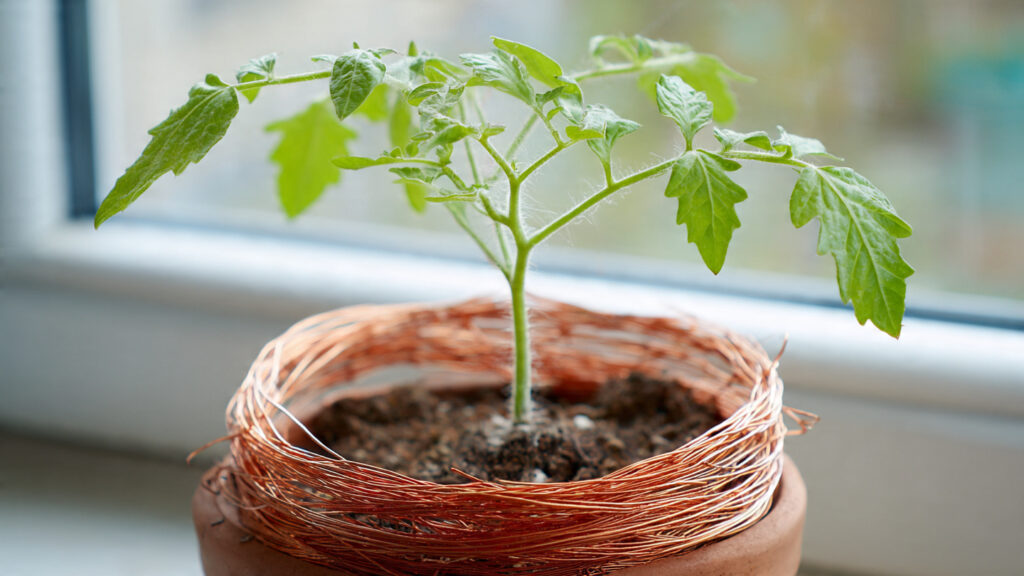
Tomatoes are among the most popular vegetables in home gardens, prized for their vibrant flavor, versatility, and nutritional value. However, cultivating healthy, high-yield tomato plants can be challenging, as they are prone to diseases, pests, and growth imbalances. While traditional methods like staking, pruning, and fertilizing remain essential, some gardeners are discovering an unconventional tool that can boost tomato growth and productivity: the copper wire loop.
Using a copper wire loop in your tomato garden is a simple, cost-effective technique that may seem unassuming, yet it can positively influence plant growth, fruit quality, and overall yield. In this article, we’ll explore how a copper wire loop works, the science behind its effects, practical implementation tips, and the benefits it offers for home gardeners.
Understanding Copper’s Role in Plant Growth
Copper is a vital micronutrient for plants, though it is required only in small amounts. Its functions in plant growth include:
- Enzyme Activation: Copper plays a crucial role in enzymes responsible for photosynthesis, respiration, and protein metabolism.
- Cell Wall Strength: It contributes to the formation of lignin, which strengthens plant cell walls and enhances structural integrity.
- Disease Resistance: Copper helps plants resist fungal and bacterial infections, keeping leaves and fruits healthy.
- Nutrient Uptake: It assists in the absorption and transport of other essential nutrients like iron and zinc.
Copper deficiency in tomatoes can lead to stunted growth, yellowing leaves, and poor fruit development. Traditionally, gardeners add copper-based fertilizers or sprays, but a copper wire loop offers a subtle, continuous approach to support plant health.
How a Copper Wire Loop Works
The concept is straightforward: a loop of copper wire is placed around the base of the tomato plant or incorporated into the soil near the roots. While the exact mechanisms are still being studied, several potential benefits have been observed by gardeners:
1. Microcurrent Generation
Copper can interact with soil moisture to create a very small electrical current, also known as a microcurrent. This can:
- Stimulate root activity and nutrient uptake.
- Enhance the plant’s metabolic processes.
- Promote faster and healthier growth.
While the electrical effect is subtle, even minor enhancements at the cellular level can influence overall plant vigor over time.
2. Antimicrobial Properties
Copper has natural antimicrobial properties. When in contact with soil, a copper wire loop can:
- Reduce harmful soil-borne pathogens.
- Protect roots from fungal infections like Fusarium wilt or Verticillium.
- Encourage beneficial microorganisms that support healthy soil.
This creates a more balanced environment for the tomato roots, reducing stress and supporting consistent growth.
3. Improved Flowering and Fruiting
Many gardeners report that tomatoes near a copper loop:
- Develop flowers more quickly.
- Set fruits earlier.
- Produce larger, more uniform tomatoes.
This may be due to enhanced nutrient availability and improved overall plant health, allowing the tomato to allocate more energy toward reproductive growth.
How to Use a Copper Wire Loop in Your Tomato Garden
Implementing a copper wire loop is simple, but proper technique ensures maximum benefit. Here’s a step-by-step guide:
1. Selecting the Right Copper Wire
- Use pure copper wire, ideally 14–18 gauge for durability.
- Avoid coated or alloyed wires, as they may interfere with the beneficial properties of copper.
- Cut the wire to create a circular loop slightly larger than the tomato plant’s root zone.
2. Preparing the Tomato Plant
- Ensure your tomato plant is healthy and well-watered.
- Remove weeds and loosen the soil around the plant’s base.
- Consider adding a layer of compost for extra nutrients.
3. Placing the Copper Loop
- Form the wire into a circle and gently press it into the soil around the base of the plant, approximately 2–3 inches from the main stem.
- Bury the loop slightly into the soil so it stays in place and interacts with the roots and soil moisture.
- Avoid direct contact with the main stem to prevent potential minor electrical stress.
4. Maintenance
- Copper loops can last for several growing seasons.
- Check the wire for corrosion, and replace it if it becomes significantly worn.
- Ensure the soil remains moist to maintain the microcurrent effect.
Benefits of Using a Copper Wire Loop
1. Enhanced Root Development
A copper wire loop encourages stronger and more extensive root systems. Healthy roots:
- Absorb nutrients and water more efficiently.
- Anchor the plant securely in the soil.
- Support larger, more robust tomato plants.
Strong root systems are critical for tomatoes, especially during hot weather or periods of drought stress.
2. Increased Flower and Fruit Yield
By promoting healthier root systems and enhanced nutrient uptake, copper loops often result in:
➡️ How to Grow Malabar Spinach from Cuttings for Fast, Easy Greens
➡️ How to Grow Super Delicious Cabbage at Home Without a Garden
➡️ How to Grow Bean Sprouts at Home in Plastic Bottles Easily (Step‑by‑Step Guide)
➡️ Why is Your Lemon Tree Blooming in the Heart of Winter?
➡️ Why Should Your Garden Have a Dedicated Pollinator Highway?
➡️ Why Do Your Fruit Trees Need a Winter Wash to Thrive in Spring?
➡️ How Can Rice Water Transform Your Fruits into Sweeter Delights?
➡️ Jumpstart Your Winter Garden: Seed Starting Under Lights
- More flowers per plant.
- Earlier fruit setting.
- Larger, juicier tomatoes with better flavor.
Gardeners who have experimented with copper loops report up to 20–30% higher yields in some cases.
3. Natural Disease Resistance
Copper’s antimicrobial properties reduce the risk of soil-borne diseases. Tomato plants with a copper loop may experience:
- Fewer fungal infections.
- Reduced leaf spots and root rot.
- Less need for chemical fungicides, making your garden more organic-friendly.
4. Cost-Effective and Sustainable
Copper wire loops are:
- Inexpensive to implement.
- Reusable for multiple seasons.
- Non-toxic to plants when used appropriately.
This simple tool can be an eco-friendly alternative to fertilizers or chemical treatments while supporting sustainable gardening practices.
Scientific Insights and Observations
While anecdotal evidence from gardeners is compelling, scientific studies are beginning to explore the effects of copper on plant growth:
- Microbial Interaction: Copper in soil may influence beneficial microbes, indirectly improving nutrient availability.
- Electrochemical Effects: Low-level electrical currents can stimulate plant metabolism, similar to techniques used in hydroponic or controlled-environment agriculture.
- Trace Element Benefits: Even minimal increases in bioavailable copper help correct deficiencies and enhance enzymatic functions critical for growth and flowering.
Though more research is needed to fully understand the mechanisms, the observed benefits are strong enough to make copper loops a worthwhile addition to tomato gardens.
Complementary Gardening Practices
Using a copper wire loop is most effective when combined with other good gardening practices:
- Proper Soil Preparation: Use compost-rich, well-draining soil to support root health.
- Regular Watering: Maintain consistent soil moisture, which enhances copper’s microcurrent effect.
- Pruning and Staking: Support tomato plants structurally to allow maximum sunlight exposure and airflow.
- Mulching: Retain soil moisture and prevent temperature extremes around roots.
- Balanced Fertilization: Combine copper loops with standard organic fertilizers for optimal growth.
A holistic approach ensures that your tomato plants reap the full benefits of the copper loop.
Precautions When Using Copper Wire
Although copper is beneficial, excessive exposure can be harmful:
- Avoid direct contact with plant stems to prevent minor electrical stress.
- Do not use coated wires that may contain harmful metals.
- Monitor soil levels if using copper-based fertilizers alongside the wire to prevent copper toxicity.
With these precautions, copper wire loops remain safe and highly effective for home gardening.
Success Stories from Gardeners
Many home gardeners have shared positive experiences using copper wire loops:
- Early Harvest: Tomato plants began flowering 1–2 weeks earlier than untreated plants.
- Larger Fruits: Tomatoes grown near copper loops were consistently heavier and juicier.
- Disease Reduction: Fewer signs of fungal infections, reducing the need for fungicide sprays.
While results can vary based on soil type, watering, and tomato variety, most gardeners report measurable improvements in plant health and productivity.
Final Thoughts
A simple copper wire loop may seem modest, but it offers a transformative effect on tomato plant growth. By enhancing root development, stimulating nutrient uptake, supporting flowering and fruiting, and reducing disease risks, copper loops provide an inexpensive, sustainable tool for gardeners seeking better yields and healthier plants.
Whether you are a seasoned tomato grower or a beginner looking for creative ways to boost productivity, incorporating a copper wire loop into your garden beds can help your tomatoes thrive. With careful placement, proper soil management, and ongoing care, this small intervention can lead to larger, healthier, and more flavorful harvests.
The next time you plant tomatoes, consider adding a copper wire loop—a subtle, eco-friendly technique that combines ancient knowledge with modern gardening insights to create stronger, more productive plants.