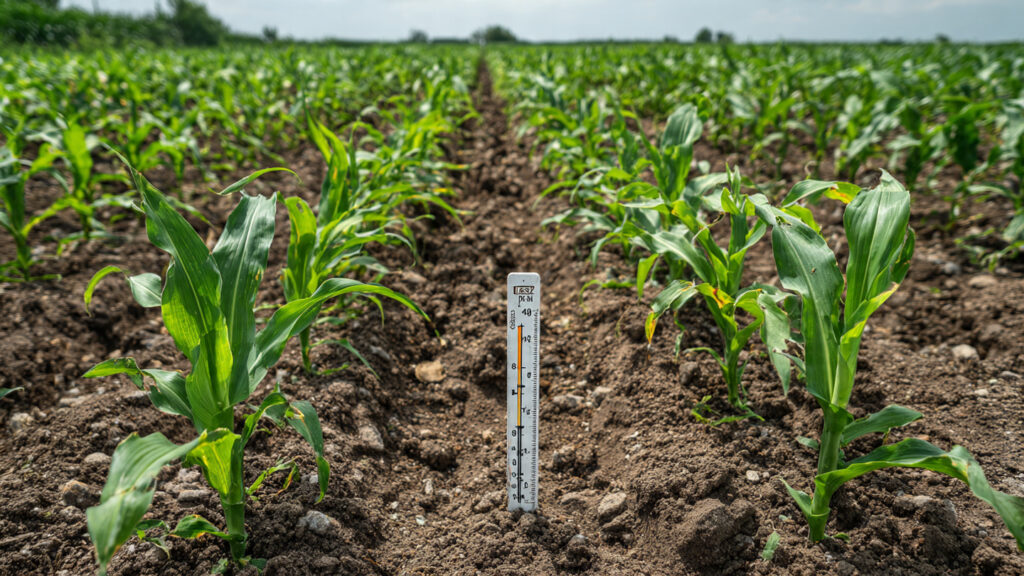
Corn is one of the world’s most widely cultivated crops, prized not only for its versatility in food, feed, and biofuel but also for the reliable yield it can provide when planted correctly. Yet, growing corn successfully is not just about scattering seeds into the ground. One of the most critical factors influencing corn germination, early growth, and yield is soil temperature. In this context, a simple tool like a soil thermometer can make a remarkable difference. Understanding how to measure and respond to soil temperature can dramatically improve your corn planting outcomes.
In this comprehensive guide, we explore why soil temperature matters for corn, how a soil thermometer works, and practical strategies for using it to maximize germination, growth, and yield.
1. Why Soil Temperature Matters for Corn
Corn is a warm-season crop, and its seeds require the right conditions to sprout and develop into healthy seedlings. Soil temperature is a key factor in this process:
- Germination threshold: Corn seeds generally need soil temperatures of 50°F (10°C) or higher to germinate. Planting in colder soil slows or prevents germination.
- Optimal germination range: Soil temperatures between 60–95°F (16–35°C) encourage faster, more uniform emergence.
- Seedling vigor: Corn planted in soil that is too cold often produces weak seedlings, which are more susceptible to pests, disease, and environmental stress.
Using a soil thermometer allows farmers and gardeners to plant when soil conditions are ideal, reducing the risk of poor germination and uneven plant growth.
Tip: Avoid planting immediately after cold rains or frost, even if the calendar suggests planting time. Soil temperature is a more reliable indicator than the date.
2. How a Soil Thermometer Works
A soil thermometer is a straightforward tool designed to provide accurate readings of the soil’s temperature at the seed depth:
- Design: Most soil thermometers have a long metal probe that can be inserted directly into the soil. Some models are analog with a dial, while others are digital for more precise readings.
- Measurement depth: For corn, the probe should measure the temperature at the depth where seeds will be planted, typically 1–2 inches below the surface.
- Ease of use: Simply insert the probe, wait a few seconds for the reading to stabilize, and note the temperature.
By providing real-time data, soil thermometers allow growers to make informed planting decisions rather than relying on guesswork or average weather conditions.
Tip: Take multiple readings across your field, especially in areas with varied sun exposure, to identify the warmest spots for planting.
3. Timing Corn Planting for Maximum Success
Soil thermometers allow precise timing for planting corn, which is critical for ensuring strong stands and high yields:
- Avoiding cold stress: Planting too early in cold soil can result in slow, uneven germination or even seed rot.
- Optimal conditions: Planting when soil is consistently warm ensures rapid emergence, uniform growth, and stronger seedlings.
- Regional variation: Soil warms at different rates depending on soil type, sun exposure, and slope. A thermometer provides local, field-specific guidance.
Tip: Begin checking soil temperature daily as spring progresses, and plant only when soil reaches at least 55°F (13°C) for early varieties.
4. Uniform Germination and Crop Stand
Achieving uniform emergence is crucial in corn production. Uneven germination leads to plants of varying heights and maturity rates, which can reduce overall yield.
- Warm soil for consistent germination: Corn seeds in warm soil sprout at the same rate, creating uniform rows.
- Reduced competition: Uniform seedlings grow evenly, minimizing competition for sunlight, water, and nutrients.
- Enhanced crop management: Even stands make mechanical operations, such as weeding or fertilization, more efficient.
A soil thermometer ensures that planting is done under conditions conducive to uniform germination.
Tip: For large fields, measure soil temperature in several locations to account for microclimates.
5. Optimal Planting Depth
Soil temperature varies with depth, and planting corn at the correct depth is vital:
- Shallow planting: Seeds planted too close to the surface may be exposed to cooler night temperatures, slowing germination.
- Deep planting: Seeds planted too deeply may struggle to emerge, even in warm soil.
- Thermometer use: Measuring soil temperature at the intended seed depth ensures that conditions are ideal throughout the planting zone.
Tip: Adjust planting depth based on soil type; sandy soils may warm faster, while clay soils retain cold longer.
➡️ How to Grow Malabar Spinach from Cuttings for Fast, Easy Greens
➡️ How to Grow Super Delicious Cabbage at Home Without a Garden
➡️ How to Grow Bean Sprouts at Home in Plastic Bottles Easily (Step‑by‑Step Guide)
➡️ Why is Your Lemon Tree Blooming in the Heart of Winter?
➡️ Why Should Your Garden Have a Dedicated Pollinator Highway?
➡️ Why Do Your Fruit Trees Need a Winter Wash to Thrive in Spring?
➡️ How Can Rice Water Transform Your Fruits into Sweeter Delights?
➡️ Jumpstart Your Winter Garden: Seed Starting Under Lights
6. Reducing Disease and Seed Rot
Cold, wet soils create an environment favorable to seed-rotting fungi such as Pythium and Fusarium. These pathogens can significantly reduce stand counts and early plant vigor.
- Planting in warm soil: Using a soil thermometer ensures seeds are planted in conditions that minimize disease risk.
- Rapid emergence: Seeds that germinate quickly are less exposed to pathogens, improving survival.
- Healthier seedlings: Plants grown in optimal soil temperatures establish stronger roots and better resist stress.
Professional corn growers often cite soil temperature monitoring as a critical step in reducing crop loss and maximizing yield.
Tip: Avoid planting after heavy rainfall if the soil is still cool; wait for soil to warm and drain.
7. Enhancing Fertilizer and Irrigation Efficiency
Soil temperature also affects how corn plants absorb nutrients and water:
- Nutrient availability: Microbial activity that releases nitrogen, phosphorus, and potassium increases in warm soil, making fertilizer more effective.
- Root activity: Roots grow faster in warm soil, improving uptake of water and nutrients.
- Water management: Soil thermometers can help determine the best time to irrigate for maximum efficiency and reduced waste.
Tip: Combine soil temperature readings with soil moisture measurements for a comprehensive understanding of planting conditions.
8. Planning Successive Plantings
In regions with long growing seasons, multiple corn plantings may be possible. Soil thermometers help plan staggered sowing:
- Staggered planting: Measure soil temperature in different plots to ensure each planting occurs under optimal conditions.
- Extended harvest: Successive plantings can extend harvest periods while maintaining high germination rates.
- Field rotation: Thermometer readings allow farmers to rotate fields based on soil readiness rather than fixed calendar dates.
Tip: Keep a log of soil temperatures over the season to predict the best planting windows for the following year.
9. Adapting to Climate Variability
Climate change and unpredictable weather patterns have made traditional planting calendars less reliable. A soil thermometer helps growers adapt:
- Data-driven decisions: Planting is based on actual soil conditions, not just historical averages.
- Risk reduction: Avoid planting during cold snaps or unseasonably wet periods.
- Precision agriculture: Soil temperature readings integrate with other monitoring tools to optimize planting, irrigation, and fertilization.
By relying on accurate, real-time data, farmers can improve resilience and reduce the likelihood of crop failure.
Tip: Use soil thermometers alongside weather forecasts for even better planting decisions.
10. Conclusion
A soil thermometer is a deceptively simple tool that can dramatically transform corn planting success. By measuring the actual temperature at seed depth, growers can:
- Plant at the optimal time for germination
- Ensure uniform seedling emergence
- Minimize disease and seed rot
- Maximize nutrient uptake and irrigation efficiency
- Plan successive plantings and adapt to climate variability
For both home gardeners and professional farmers, soil temperature monitoring reduces guesswork and empowers data-driven decisions. It allows corn to germinate quickly, grow vigorously, and ultimately produce higher yields.
Investing in a soil thermometer is a small step with a significant impact. It provides actionable insights that protect seeds, strengthen seedlings, and ensure that every planting season is as productive as possible. Whether you’re planting a backyard patch or managing acres of corn, this simple tool can be the difference between a mediocre crop and a thriving, successful harvest.
By prioritizing soil temperature and planting under optimal conditions, you’re not just following a gardening tip—you’re harnessing science to improve your corn-growing results, year after year.