Gardening success often feels like a blend of patience, instinct, and timing. Many gardeners spend hours choosing the right seeds, preparing soil, watering carefully, and hoping for the best. Yet one simple factor can make or break your planting results:
Soil temperature.
While air temperature gets most of the attention, the truth is that seeds and roots respond first to what’s happening underground. That’s where a soil thermometer becomes one of the most underrated but powerful tools in gardening.
Whether you’re planting vegetables, flowers, herbs, or starting a new garden bed, learning how to measure soil temperature can dramatically improve germination, growth, and harvest success.
Let’s explore how a soil thermometer can completely transform your planting strategy.
Why Soil Temperature Matters More Than You Think
Most gardeners check the weather forecast before planting. But even if the air feels warm, the soil may still be too cold for seeds to sprout properly.
Soil temperature affects:
- Seed germination speed
- Root development
- Nutrient uptake
- Microbial activity in soil
- Plant stress levels
- Timing of planting seasons
Reality Check: Seeds don’t germinate based on calendar dates. They germinate based on soil warmth.
A soil thermometer helps you plant at the right moment instead of guessing.
What Is a Soil Thermometer?
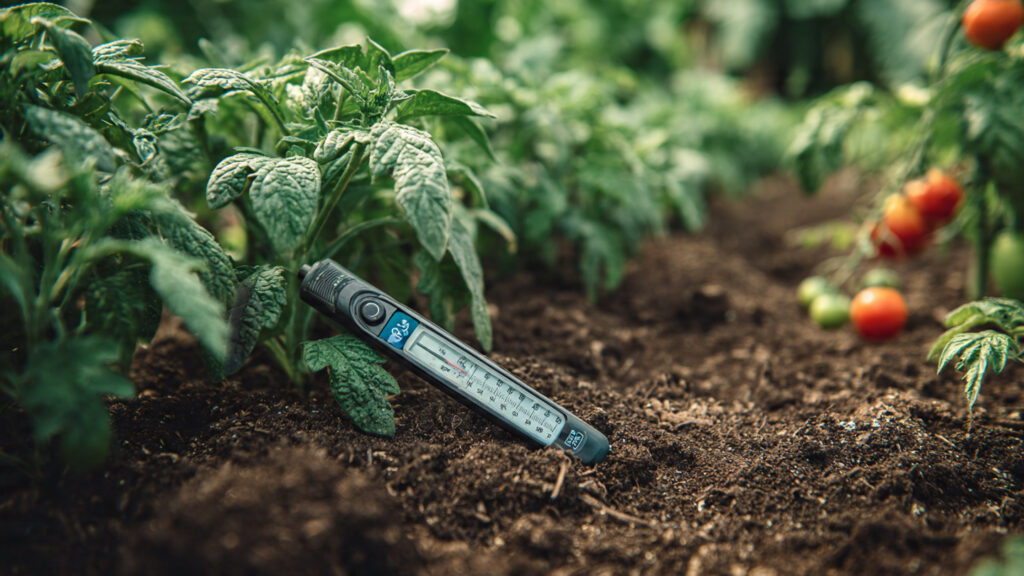
A soil thermometer is a simple gardening tool designed to measure the temperature below the soil surface.
It usually consists of:
- A metal probe (inserted into the soil)
- A dial or digital display showing temperature
- A sturdy casing for outdoor use
Some models are basic and inexpensive, while others include digital readings, moisture meters, or long probes for deeper soil measurement.
How Soil Temperature Impacts Germination
Seeds are living organisms. Before they sprout, they require the right conditions, especially warmth.
Different plants germinate best at different soil temperatures:
- Cool-season crops (lettuce, spinach, peas): 40–55°F (4–13°C)
- Warm-season crops (tomatoes, peppers, squash): 65–85°F (18–29°C)
- Flowers like zinnias and marigolds: around 70°F (21°C)
If soil is too cold:
➡️ How to Grow Malabar Spinach from Cuttings for Fast, Easy Greens
➡️ How to Grow Super Delicious Cabbage at Home Without a Garden
➡️ How to Grow Bean Sprouts at Home in Plastic Bottles Easily (Step‑by‑Step Guide)
➡️ Why is Your Lemon Tree Blooming in the Heart of Winter?
➡️ Why Should Your Garden Have a Dedicated Pollinator Highway?
➡️ Why Do Your Fruit Trees Need a Winter Wash to Thrive in Spring?
➡️ How Can Rice Water Transform Your Fruits into Sweeter Delights?
➡️ Jumpstart Your Winter Garden: Seed Starting Under Lights
- Seeds may rot before sprouting
- Germination becomes slow and uneven
- Young seedlings become weak
If soil is too hot:
- Seeds may dry out quickly
- Germination may fail entirely
Pro Tip: A soil thermometer gives you the exact temperature window for planting success.
The Biggest Planting Mistake: Planting Too Early
One of the most common gardening mistakes is planting warm-season crops too early in spring.
Air temperatures may feel pleasant, but soil often lags behind by weeks.
For example:
- You plant tomatoes in April because it’s sunny
- Soil is still only 50°F
- Roots struggle, growth stalls, plants become vulnerable
Using a soil thermometer prevents this frustration.
Instead, you wait until soil reaches 60–65°F, and your plants thrive immediately.
How a Soil Thermometer Helps You Time Planting Perfectly
A soil thermometer removes the guesswork from gardening.
Instead of relying on:
- Last frost dates
- Gardening myths
- Neighbor advice
- Random planting calendars
You can rely on science and real conditions in your own garden.
Best Practice
Measure soil temperature:
- Early morning for the coldest reading
- Mid-afternoon for the warmest reading
- Over several days for consistency
When temperatures stabilize in the ideal range, it’s time to plant.
Improving Root Health and Plant Growth
Healthy roots are the foundation of healthy plants.
Soil temperature controls how well roots can:
- Absorb water
- Take in nutrients
- Establish quickly after transplanting
Cold soil slows root function, even if the plant looks fine above ground.
Warm soil encourages:
- Faster root growth
- Stronger plant establishment
- Better resistance to disease
Reality Check: Plants can’t grow vigorously if their roots are stuck in cold soil.
Boosting Soil Microbial Activity
Soil is not just dirt—it’s a living ecosystem full of beneficial organisms.
Microbes and earthworms help by:
- Breaking down compost
- Releasing nutrients
- Improving soil structure
- Supporting healthy plant immunity
But these organisms become inactive in cold soil.
When soil warms up:
- Microbial activity increases
- Nutrients become more available
- Plants grow more efficiently
A soil thermometer helps you understand when your soil ecosystem is truly ready for planting.
Using Soil Thermometers for Succession Planting
Succession planting means planting crops in stages to ensure continuous harvests.
A soil thermometer helps you:
- Know when soil is warm enough for the next round
- Avoid planting too early or too late
- Extend the growing season strategically
For example:
- Early spring: lettuce and radishes
- Late spring: beans and cucumbers
- Summer: squash and basil
- Fall: spinach and kale
By tracking soil temperature, you maximize every season.
Soil Thermometers in Raised Beds vs. Ground Gardens
Soil warms differently depending on your garden type.
Raised Beds
- Warm up faster in spring
- Drain better
- Allow earlier planting
In-Ground Beds
- Warm up more slowly
- Hold moisture longer
- Stay cooler in summer
A soil thermometer helps you adjust planting schedules based on your specific garden setup.
Using Soil Thermometers for Fall Planting
Soil temperature matters in autumn too.
Many gardeners miss out on fall crops because they assume the season is over.
But soil often stays warm well into fall, especially in sunny areas.
A thermometer helps you plant:
- Fall lettuce
- Broccoli
- Carrots
- Garlic
- Spinach
Pro Tip: Fall gardening becomes much easier when you know your soil is still warm enough for growth.
How to Use a Soil Thermometer Correctly
Using one is simple, but proper technique ensures accurate readings.
Step-by-Step Guide:
- Insert the probe 2–4 inches deep (seed depth zone)
- Wait 1–2 minutes for the reading to stabilize
- Take measurements in multiple spots
- Record temperatures for a few days
- Plant when soil reaches the ideal range
For transplants, measure slightly deeper (6 inches) where roots will settle.
Choosing the Right Soil Thermometer
When buying a soil thermometer, look for:
- Clear temperature markings
- Durable stainless steel probe
- Waterproof or weather-resistant design
- Long probe for deep beds
- Digital display for quick reading (optional)
You don’t need an expensive model. Even a basic thermometer can dramatically improve your planting success.
Extra Benefits Beyond Planting
A soil thermometer can also help with:
- Monitoring compost pile temperatures
- Preventing heat stress in summer
- Knowing when to apply mulch
- Managing greenhouse planting schedules
- Improving indoor seed-starting accuracy
It’s a small tool with year-round usefulness.
Conclusion: Small Tool, Big Gardening Results
So, how can a soil thermometer improve your planting?
It helps you:
- Plant at the perfect time
- Boost germination success
- Grow stronger roots
- Prevent early-season failure
- Support soil life and nutrient uptake
- Extend your gardening season
- Make smarter decisions with confidence
Gardening doesn’t have to rely on guesswork. With a soil thermometer, you gain insight into the hidden world beneath your feet—and your plants will reward you with healthier growth, better harvests, and fewer disappointments.
Sometimes the simplest tools make the biggest difference.